
A website is often the first thing a customer sees and the last thing they check before they contact you or buy. It has to look credible, load quickly, work on every device, and make the next step obvious. Getting that right depends heavily on who builds it.
This guide explains what a website development company actually does, how to identify the best website development company for your needs, when custom website development is worth the extra investment, what to know before you hire website development developers, and what to look for in a website development company in Dubai.
What Does a Website Development Company Do?
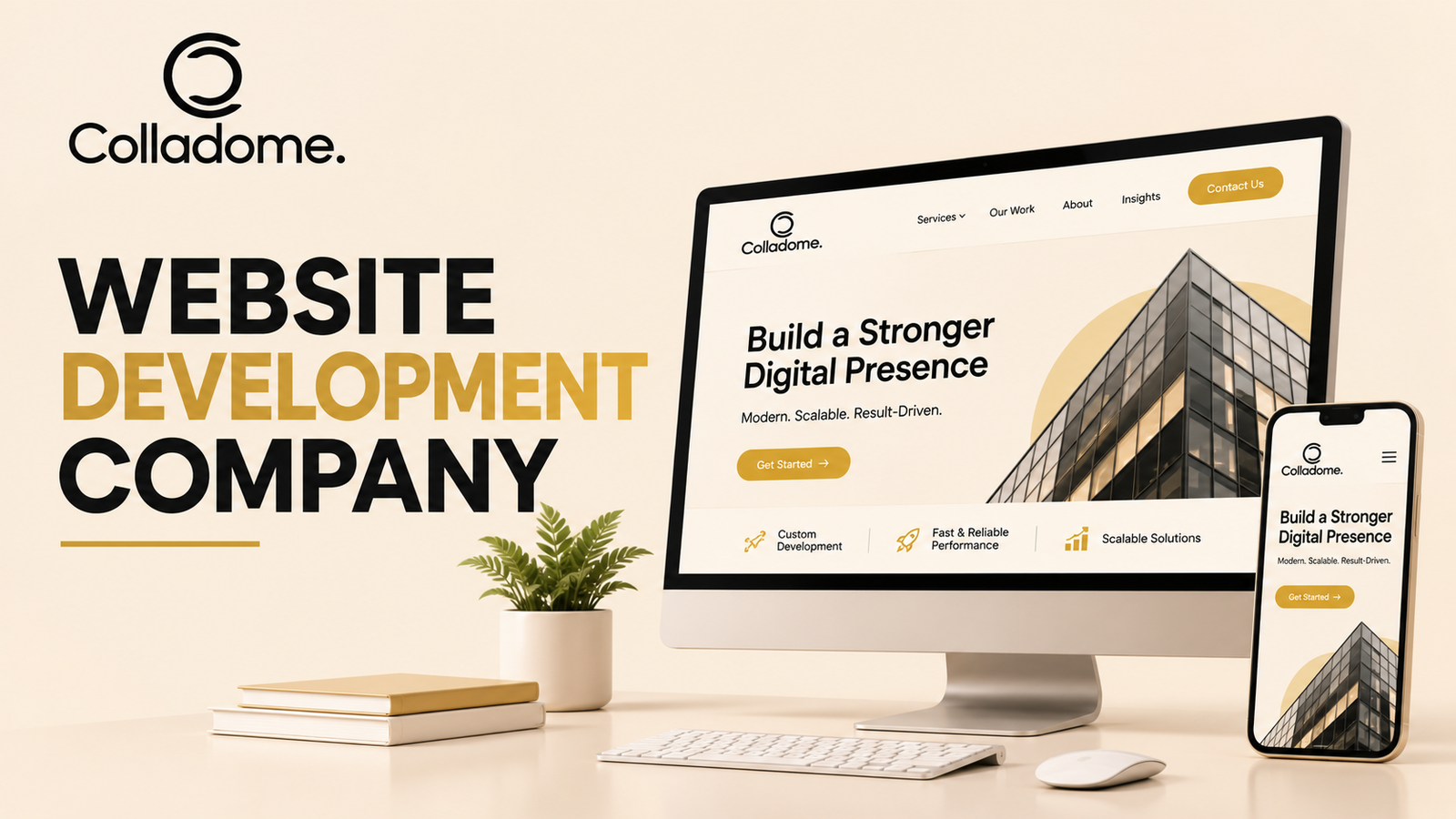
A website development company plans, designs, builds, launches, and maintains websites and web applications. The scope ranges from a simple business site with a handful of pages to a large e-commerce store, a booking platform, or a customer portal connected to internal systems.
The work covers more than the visible pages. It includes the structure of the site, the design and user experience, the code that makes everything function, the content management system that lets your team make updates, and the technical basics that affect speed, security, and search visibility. After launch, a good company also handles hosting support, security updates, backups, and improvements.
Companies vary in how they work. Some deliver finished websites as projects. Others provide dedicated developers who join your team for ongoing work. Many offer both, so you can begin with a project and move to a retainer for continuing development.
Services You Can Expect
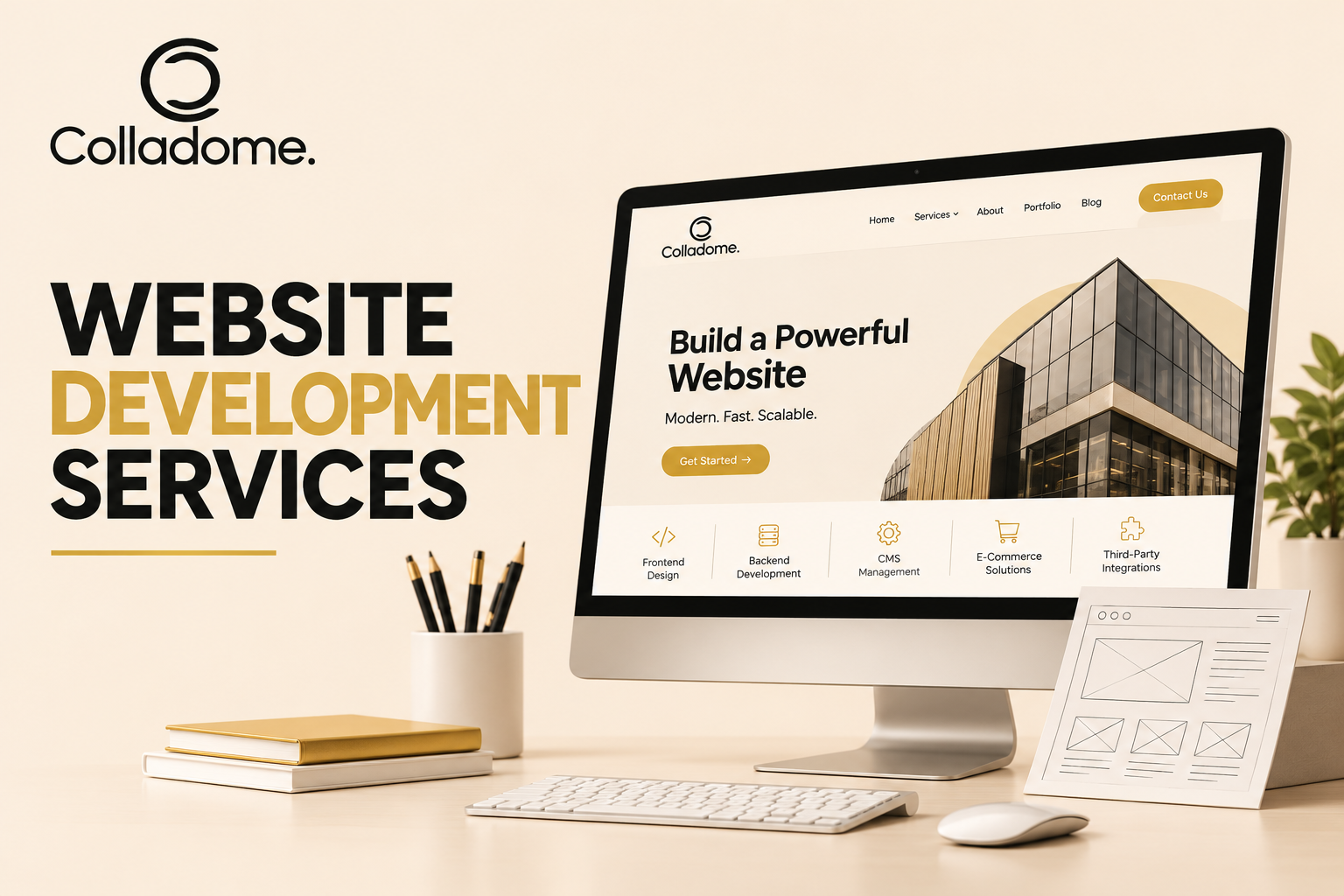
A complete offering usually includes several services. Planning and strategy define your goals, audience, and the pages and features you need. UI and UX design shape layouts and navigation so visitors find what they want quickly. Frontend development turns designs into responsive pages that work on phones, tablets, and desktops.
Backend development builds the logic behind features such as forms, user accounts, bookings, and payments. CMS setup, often on platforms such as WordPress, lets your team update content without a developer. E-commerce development covers product catalogs, carts, payment gateways, and order management. Integrations connect the site to CRMs, email tools, analytics, and other systems. Testing checks speed, compatibility, and security. And maintenance and support keep the site updated and protected after launch.
If a proposal covers only design and leaves out testing, security, or support, it is not a full service, and the gaps often return later as extra cost.
How to Identify the Best Website Development Company
No company is best for every project. The best website development company for you matches your industry, budget, technical needs, and working style. The table below gives you a practical way to compare candidates.
| What to Evaluate | What a Strong Company Shows |
| Live portfolio | Real websites you can visit, test on your phone, and compare to your needs |
| Relevant experience | Past work in your sector or with similar features, such as e-commerce or booking |
| Discovery process | Questions about your goals and users before any price is fixed |
| Performance and security | Attention to loading speed, mobile layout, and secure coding |
| Search engine basics | Clean structure, fast pages, and proper technical setup for SEO |
| Communication | A named contact, regular progress updates, and clear milestones |
| Contract and ownership | Written terms on code, design, content, and domain ownership |
| After-launch support | Defined maintenance, response times, and a path for future changes |
| Client feedback | Verified reviews on independent platforms such as Clutch or Google |
Beyond the table, pay attention to the early conversations. Strong companies ask about your customers, challenge unclear requirements, and suggest a focused first version. A company that agrees to everything and quotes straight away may not understand the work ahead.

When Custom Website Development Makes Sense
Templates and website builders work well for many simple sites, and there is nothing wrong with starting that way. But some businesses outgrow them, and custom website development is built for those cases.
Custom development means the site is designed and coded around your specific needs rather than adapted from a ready-made theme. It makes sense when you need unique features or workflows, such as a custom booking system, a product configurator, or a customer portal. It also suits businesses that need to integrate with internal systems, want a distinctive design that reflects their brand, or expect heavy traffic and need strong performance.
A custom build avoids carrying unused features from a generic theme, which can help with speed and security. It also gives you full control over how the site grows. The trade-off is a higher upfront cost and a longer timeline than a template. Many businesses manage this by launching a focused first version and expanding it based on real visitor behavior.
What to Know Before You Hire Website Development Developers
Some businesses prefer to hire website development developers directly rather than commission a finished project. This can work well when you have ongoing work, such as regular new features, campaigns, or e-commerce updates.
There are three common routes. Hiring in-house gives you full control and deep knowledge of your business, but it takes time to recruit and carries ongoing salary and management costs. Hiring freelancers can be flexible and affordable for small tasks, though availability and consistency can vary. Hiring dedicated developers through a company gives you skilled people who work as part of your team, with the company handling recruitment, replacement, and management.
Whichever route you choose, test for practical skills. Ask to see live work, and ask what the developer personally built. Check their experience with the technologies your site uses. Discuss how they handle code quality, testing, and documentation. Agree on working hours, communication tools, and how progress will be reviewed. And make sure the contract confirms that you own the code and all related assets.
Website Development Company in Dubai: What to Check
Businesses in the UAE often look for a website development company in Dubai because they want a team that understands the local market, works in a familiar time zone, and can meet in person. These are real advantages, particularly during planning and review.
When comparing Dubai companies, a few local points are worth checking. Ask whether the company can build in both Arabic and English, including proper right-to-left layouts, which affect more than text direction. Check their experience with payment gateways and logistics options commonly used in the region if you plan to sell online. Look at how they approach mobile design, since mobile browsing is heavily used. And ask how they handle data protection and privacy requirements, so your site and any customer data are managed responsibly.
It is also sensible to ask who actually builds the site. Some companies use offshore teams for development while keeping local account managers, which can work well if it is clear and well managed. Ask who will work on your project, how communication will run, and what support looks like after launch. Confirm that the company is properly licensed and ask for client references in the UAE.
You do not have to limit yourself to one location. Many businesses combine a local presence for planning and meetings with a larger technical team elsewhere for development, which can balance convenience with cost and capacity.
What Affects Website Development Cost?
Cost depends mainly on scope. The number of pages and the amount of custom design influence effort, as do functionality and integrations. A simple brochure site costs far less than one with user accounts, bookings, or e-commerce. Choosing a template instead of custom design lowers cost but limits flexibility.
Content creation, translation, search engine setup, and migration from an old site may be separate items. Multilingual sites need extra design and testing. Ongoing hosting, maintenance, and support add to the long-term budget. To get useful quotes, share a clear list of pages and features, and ask for a breakdown by phase covering discovery, design, development, testing, launch, and support.
Red Flags to Watch For
Be cautious if a company gives a fixed price before any discovery conversation. Treat prices far below every other proposal with suspicion. Watch for portfolios that show only screenshots, for vague answers about who will build your site, and for reluctance to put ownership terms in writing. A proposal that barely mentions testing, security, or support is another warning sign.
Common Mistakes When Choosing a Website Company
A few mistakes appear again and again. Choosing purely on price can lead to a slow site that needs rebuilding. Skipping planning causes scope changes that raise cost and delay launch. Providing content late stretches the timeline. Ignoring mobile experience loses visitors. Forgetting about ownership of the domain, hosting, and code can create problems if you later change providers. And treating launch as the end ignores the maintenance a site needs to stay secure and effective.
Final Thoughts
Choosing the right website development company is one of the most important decisions in building your online presence. The right partner understands your business, plans carefully, builds with quality, communicates openly, and supports the site long after launch.
Whether you are searching for the best website development company, weighing custom website development, planning to hire website development developers, or comparing a website development company in Dubai with other options, begin with clear goals and ask direct questions. The company worth hiring will want to understand your objectives before it names a price.What does a website development company do?