
You have an app idea or an existing product that needs an Android version, and now you face the practical question: who builds it? You can recruit your own team, hire freelancers, work with a company, or bring in dedicated developers who join your project. Each route has different costs, risks, and benefits.
This guide helps you decide how to hire Android app development developers with confidence. It compares hiring models, explains when it makes sense to outsource Android app development, shows what shapes Android app development cost, and covers how to choose an Android app development company that fits your project. It also explains what an Android app development company typically delivers beyond writing code.
What Skills Should Android Developers Have?
Before you hire anyone, know what good looks like. A capable Android developer today usually has solid experience in Kotlin, the language Google recommends for Android, and often in Java for older codebases. They should understand the Android SDK, modern libraries such as Jetpack, and how to build interfaces that follow Material Design guidelines.
Beyond the basics, look for experience with app architecture, since a clean structure makes an app easier to maintain and extend. Developers should know how to work with APIs and backends, handle local data storage, manage background tasks, and send notifications. Testing skills matter too, including unit tests and testing on different devices and Android versions.
Android has a wide range of phones, screen sizes, and operating system versions, so good developers think about compatibility from the start. They also care about performance, battery use, and security, since these affect reviews and retention. Finally, they should be comfortable with Google Play publishing, including app signing, store listings, and policy requirements 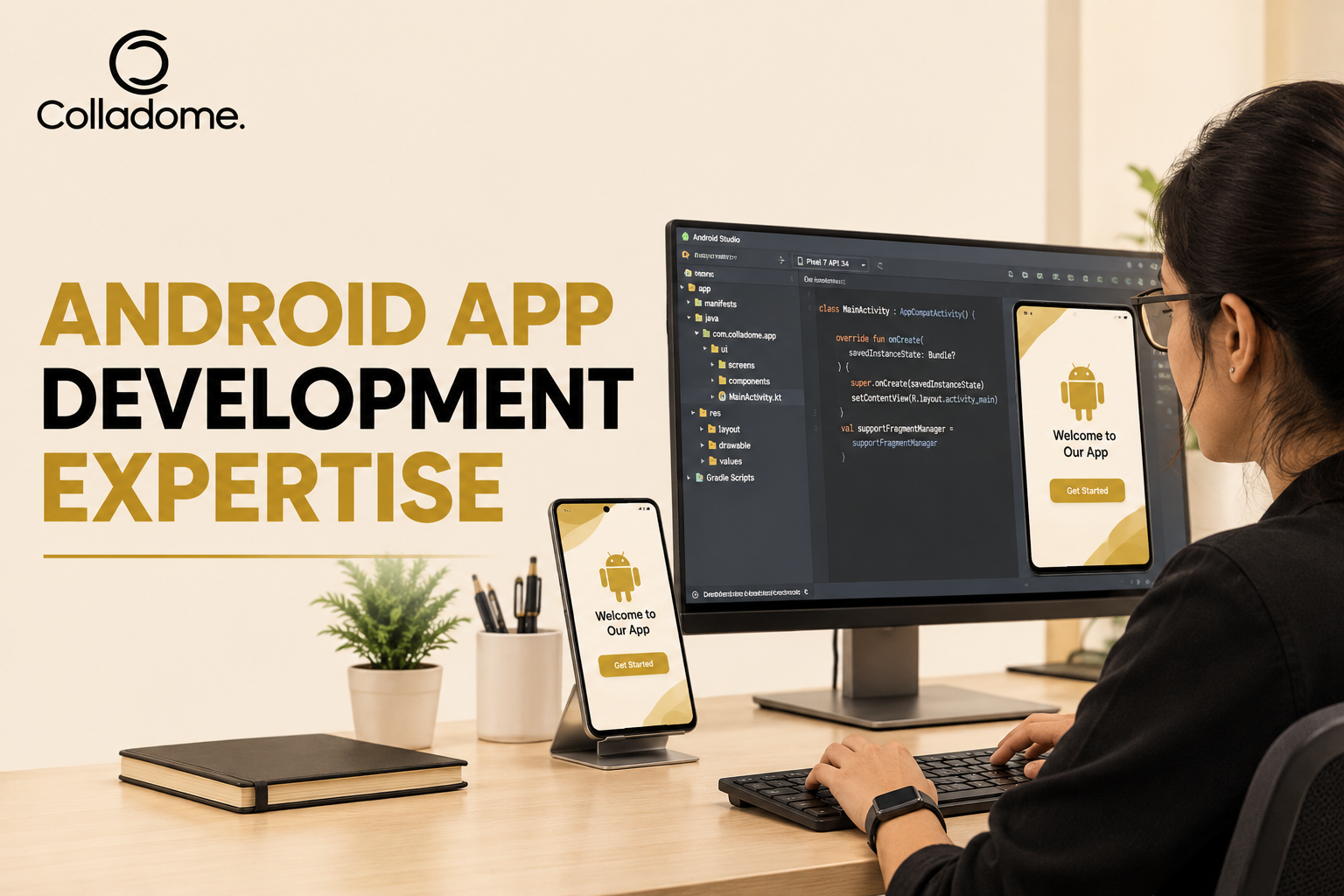
Your Hiring Options Compared
There is no single best way to hire. The right choice depends on your budget, timeline, how long you need help, and how much management you can handle. The table below compares the main options side by side.
| Hiring Option | Best For | Main Advantages | Main Drawbacks |
| In-house team | Long-term products with constant development | Full control, deep product knowledge, close collaboration | Slow to recruit, ongoing salary and management cost |
| Freelancers | Small tasks, short projects, specific fixes | Flexible and often affordable | Variable availability, limited continuity, you manage quality |
| Dedicated developers via a company | Ongoing work that needs flexible capacity | Skilled people working as part of your team, company handles HR and replacements | You manage day-to-day direction, quality depends on the provider |
| Full project team from a company | Defined apps with a clear scope | Complete team including design, testing, and project management | Less hands-on control, requires clear scope and milestones |
Many businesses use a mix. For example, a company might outsource the first version to a project team, then bring in dedicated developers for ongoing updates, or hire one in-house lead to oversee outside developers.
When to Outsource Android App Development
To outsource Android app development means to hand some or all of the work to an outside team. This is common for startups, small and mid-sized businesses, and even large companies that want to move quickly without building a full department.
Outsourcing makes sense when you do not have Android expertise in-house, when you need to start quickly, when your workload will rise and fall over time, or when you want access to specialists such as designers, testers, and security engineers without hiring them all. It also suits businesses that want to focus on their core operations while experts handle the technical side.
The main risk is communication and control. When a team works outside your office, possibly in another time zone, expectations can drift. You manage this with a clear scope, regular demos, written milestones, a named point of contact, and agreed rules on code ownership. Outsourcing works best when you treat the outside team as a partner and involve them in understanding your users and goals.
What an Android App Development Company Delivers
An Android app development company provides more than programmers. A full-service company usually offers discovery and consulting to define goals and features, UI and UX design, Android development, backend and API development, integrations with payment gateways, maps, and other services, quality assurance across devices, Google Play publishing, and ongoing maintenance and support.
This breadth matters. Many app problems come not from poor code but from unclear requirements, weak design, limited testing, or no plan for updates. A company with a mature process addresses these areas together, so the app is useful, stable, and ready to grow.
Companies also differ in how they engage. Some prefer fixed-price projects. Others work on time and material, billing for effort as the project evolves. Many offer dedicated team models for long-term work. A good company explains which model suits your situation and why, rather than pushing one by default.
Understanding Android App Development Cost
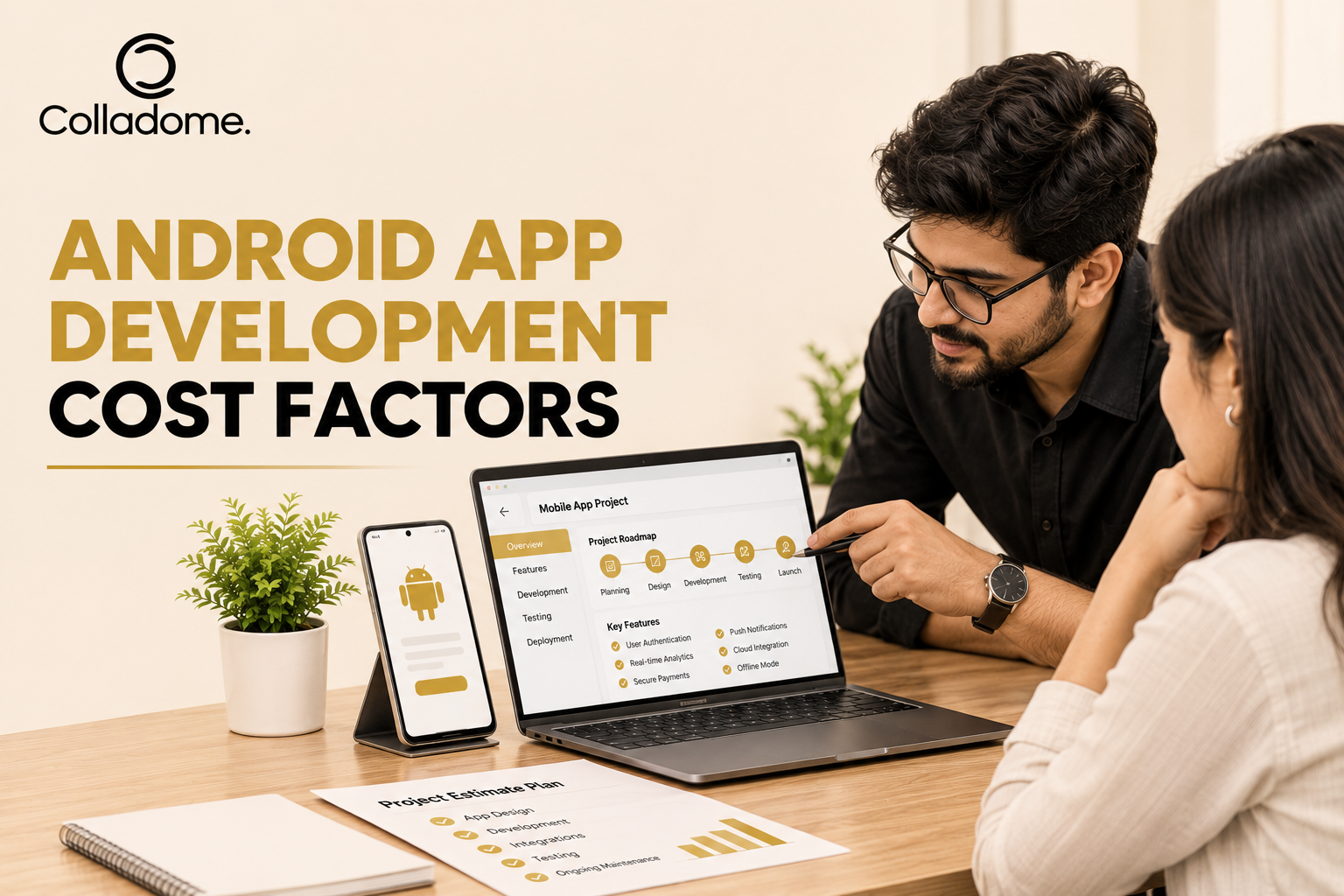
Everyone asks about Android app development cost, but no honest provider can give a reliable figure without understanding your scope. The cost depends on the effort and expertise needed, and several factors drive it.
Feature count and complexity matter most. A simple app with a few screens takes far less effort than one with user accounts, real-time features, payments, and a custom backend. Design depth is another factor, since custom interfaces and animations take longer than standard layouts. Integrations with third-party services or internal systems add development and testing work.
Device and version coverage affects testing time, because supporting a wide range of phones and Android versions takes more effort. Security and compliance requirements, such as handling health or financial data, add work. Backend infrastructure, such as servers, databases, and admin panels, is often a significant part of the total. And ongoing maintenance, updates, and support need a budget after launch, since apps must keep pace with new Android releases.
The location and model of the team also influence price. Rates differ between markets, and the choice between freelancers, dedicated developers, and a full project team changes how costs are structured. To get useful quotes, share a clear feature list and ask for a breakdown by phase covering discovery, design, development, testing, release, and support. Be cautious about a low quote that leaves out testing or maintenance, since these gaps often return as extra cost.
How to Choose an Android App Development Company
Knowing how to choose an Android app development company can save months of frustration. A step-by-step approach works well.
Step 1: Define Your Project First
Write down your goals, target users, must-have features, platforms, and budget range. A clear brief leads to better proposals and makes it easier to compare companies.
Step 2: Review Live Work
Ask for Android apps that are live on Google Play. Download them and use them. Check performance, design, and stability, and compare them with the quality you want. Be wary of portfolios that show only screenshots or mockups.
Step 3: Check Relevant Experience
Look for experience with apps similar to yours in type and complexity, such as e-commerce, booking, or enterprise tools. Ask how long the team has worked with Kotlin and modern Android tools.
Step 4: Understand Their Process
Ask how the project will run. Good companies describe discovery, design, development in short cycles with regular demos, testing across devices, release, and post-launch support. Ask who your point of contact will be and how often you will see progress.
Step 5: Verify Reputation
Read reviews on independent platforms such as Clutch or Google, and ask for references you can contact. Speak with at least one past client about how problems were handled, since every project has some.
Step 6: Compare Proposals Carefully
Compare at least three proposals line by line. Look at scope, timeline, team, testing, support, and what is excluded. Do not decide on the total price alone.
Step 7: Read the Contract
Confirm that you own the source code and all assets, that confidentiality is covered, that payments are tied to milestones, and that post-launch support terms are written down.
Questions to Ask Before You Hire
A focused conversation can reveal a lot. Ask which Android versions and devices the team will test on. Ask how they approach security and user data. Ask who will work on your project and whether you can speak to the lead developer. Ask how changes in scope are handled and how they affect time and cost. Ask how knowledge is transferred if a developer leaves the project. And ask what support is included after launch and for how long.
Clear, specific answers are a good sign. Vague or overly polished replies suggest the process may be less mature than the sales pitch.
Red Flags to Watch For
Be cautious if someone gives a fixed price and timeline before any discovery. Treat quotes far below every other proposal with suspicion, as they often signal inexperience or hidden costs. Watch for portfolios of design mockups instead of live apps, for refusal to share references, and for vague answers about who will work on your project. Unwillingness to put code ownership in writing, or proposals that barely mention testing and support, are additional warning signs.
Common Mistakes When Hiring Android Developers
Several mistakes appear repeatedly. Choosing on price alone often leads to poor quality and expensive rework. Hiring without a clear brief causes scope changes that inflate cost and delay launch. Trying to build every feature in version one slows learning from real users. Skipping device testing leads to crashes on certain phones. Forgetting to agree on code ownership and documentation creates risk if you change providers. And treating launch as the end leaves the app outdated as new Android versions arrive.
Final Thoughts
To hire Android app development developers well, start with clarity about your project, then choose the model that fits your budget, timeline, and management capacity. For many businesses, the best route is to outsource Android app development to a trusted partner, at least for the first version.
A reliable Android app development company offers a mature process, honest communication, and support after launch. Understand Android app development cost by scope rather than by headline price, and follow a careful method for how to choose an Android app development company. The partner worth hiring will want to understand your goals before it names a price