Strategic Advantage: Custom Enterprise Software vs. Off-the-Shelf – Unlocking SME Growth Potential
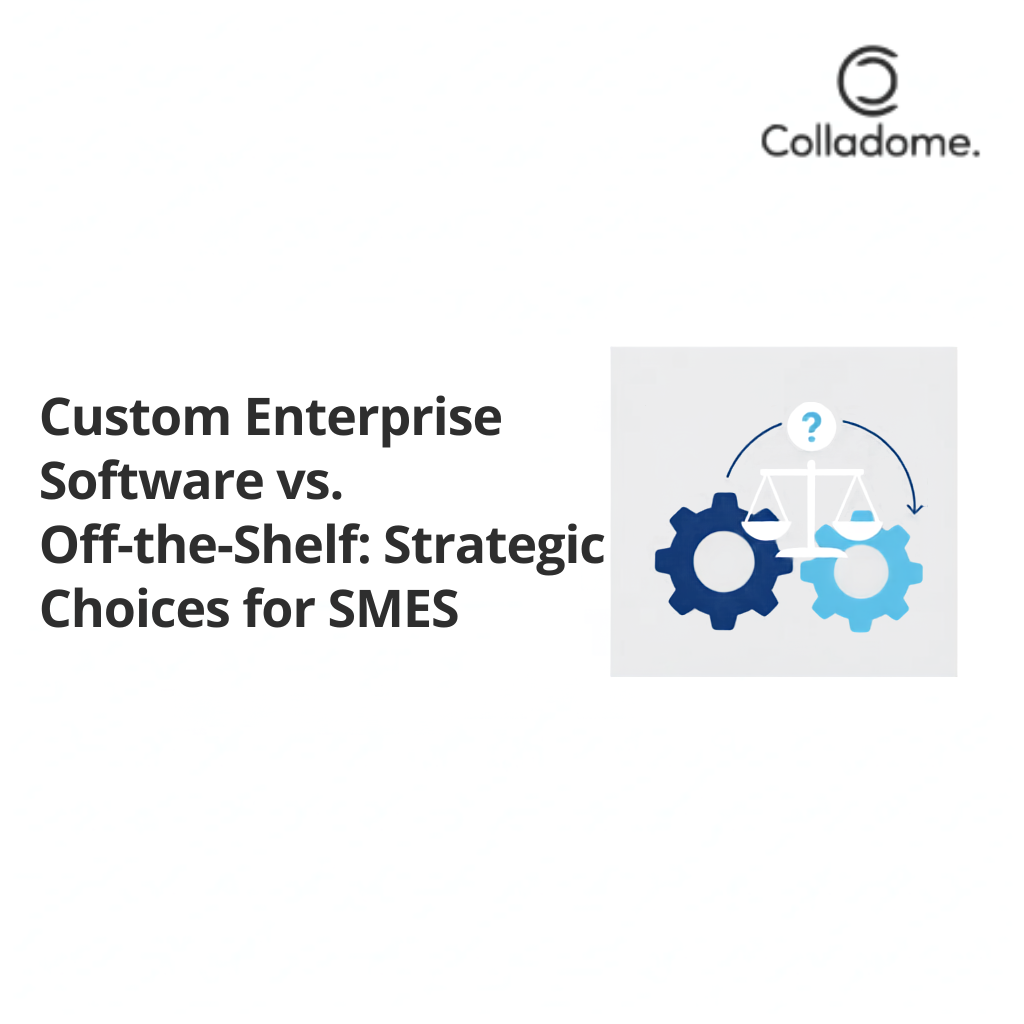
For many Small and Medium-sized Enterprises (SMEs), navigating the complex landscape of digital solutions can be a daunting challenge. The critical decision of implementing the right software often dictates the trajectory of future growth and operational efficiency. This article explores the strategic considerations of custom enterprise software vs off-the-shelf for SMEs. This choice can significantly impact scalability, competitive advantage, and long-term success. Therefore, understanding which option best fits your business needs is essential. It can help you unlock true growth potential and avoid costly missteps.
The SME Software Dilemma: Why Generic Solutions Often Fall Short
For founders, business owners, and CXOs, off-the-shelf software can seem appealing. It offers perceived cost-effectiveness and rapid deployment for Small and Medium Enterprises (SMEs). However, this often evolves into a significant impediment to efficiency and growth.
Generic solutions inherently struggle to accommodate the unique operational needs that define a competitive advantage. Their “one-size-fits-all” approach forces businesses into inefficient workarounds, compromising critical workflows rather than enhancing them. This leads to wasted time, increased manual effort, and a direct impact on profitability.
Furthermore, as an SME scales, these systems often hinder progress. They may lack the flexibility or robust architecture required for evolving demands, creating significant scalability challenges. In addition, generic software may not integrate seamlessly with essential platforms such as ERP or CRM systems. As a result, businesses may face data silos, operational friction, and a fragmented view of their operations. Ultimately, these limitations can stifle innovation and reduce competitive advantage. Therefore, businesses may need tailored strategies to achieve true digital transformation.
Navigating Your Options: Custom Enterprise Software vs. Off-the-Shelf for Strategic Growth
For SMEs aiming for sustainable expansion, choosing between custom enterprise software and off-the-shelf solutions is crucial. This choice addresses core operational pain points, such as inefficient workflows and limited scalability. It also aligns technology with unique business requirements.
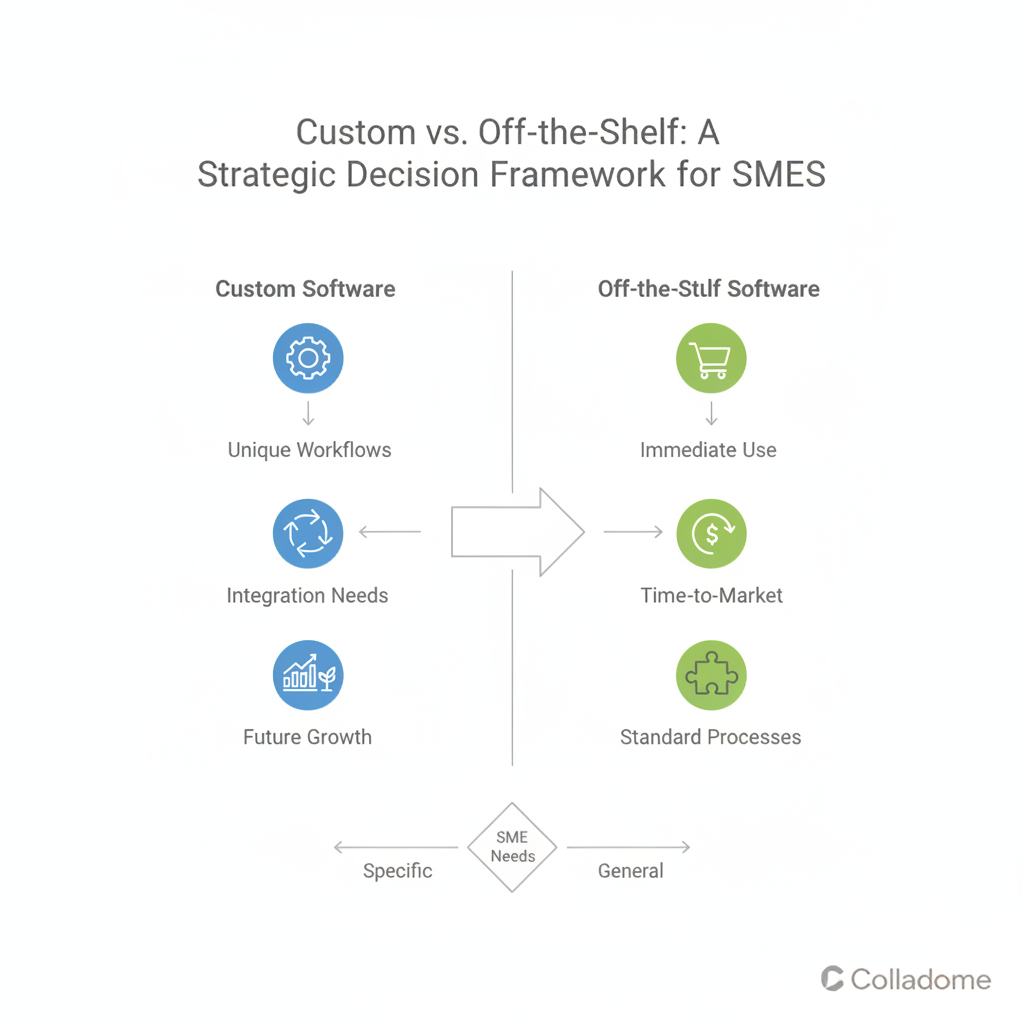
Off-the-shelf software offers immediate deployment and lower initial costs. It provides standardized functionalities that suit common business needs. However, its generic nature can lead to compromises. Businesses may need to adapt their processes to the software’s limitations.
Conversely, custom enterprise software development delivers tailored functionalities. It can closely match specific workflows and provide a competitive edge. Although it requires a larger upfront investment and longer development cycles, it supports optimal integration and long-term scalability. As a result, it can effectively address complex challenges unique to your operations.
This strategic investment can support unleashing exponential growth. Therefore, understanding these distinctions is critical for optimizing your strategy and ensuring that your software investment drives strategic growth and operational efficiency.
Key Considerations for SMEs: Custom vs. Off-the-Shelf Software
When charting an effective enterprise software strategy, Small and Medium-sized Enterprises (SMEs) face a pivotal decision. They can invest in tailored custom solutions or adopt readily available off-the-shelf options. This choice directly impacts operational efficiency, scalability, and competitive positioning. Therefore, SMEs must carefully evaluate both approaches. Below, we outline critical considerations for navigating this landscape and focus on tangible business outcomes.
-
Operational Alignment:
Problem: Off-the-shelf solutions rarely align with unique business processes. As a result, SMEs may need to adapt their workflows to the software. This can create inefficiencies and stifle innovation.
Solution: Custom software development for SMEs creates solutions tailored to existing workflows and specific requirements.
Outcome: This bespoke approach enhances operational efficiency and reduces manual workarounds. As a result, it optimizes resource utilization and contributes to improved productivity and cost savings. -
Scalability and Future Growth:
Problem: Many off-the-shelf solutions have scalability limitations. They may struggle to support rapid SME growth or evolving technology needs. Consequently, businesses may face costly migrations later.
Solution: A well-planned enterprise software strategy can leverage custom development. This approach ensures the solution supports future expansion. It can also accommodate new features and increased data volumes.
Outcome: This forward-thinking approach provides a strong foundation for sustainable SME growth software. Therefore, it helps prevent bottlenecks, protect long-term investment, and drive revenue growth. -
Competitive Differentiation:
Problem: Relying solely on generic off-the-shelf solutions means an SME operates with the same tools as competitors, making it difficult to establish unique value propositions or gain a distinct market advantage.
>Solution: Custom software development for SMEs enables the creation of proprietary functionalities that directly support unique business models or customer engagement strategies.
>Outcome: This differentiation fosters a strong competitive edge, allowing the SME to offer superior services, streamline niche processes, and ultimately capture a larger market share, leading to sustained revenue growth. -
Data Security and Compliance:
Problem: Generic off-the-shelf solutions may not always meet specific industry compliance standards or provide the granular security controls required for sensitive data, posing significant risks to an SME.
>Solution: Investing in custom software development allows for the implementation of tailored security protocols and compliance features from the ground up, addressing specific regulatory needs.
>Outcome: This ensures robust data protection and adherence to industry regulations, mitigating risks, building customer trust, and avoiding potential legal penalties, thereby safeguarding the business’s reputation and long-term viability. -
Total Cost of Ownership (TCO):
Problem: While off-the-shelf solutions appear cheaper initially, hidden costs like extensive customization fees, unused features, subscription escalations, and integration challenges can inflate the long-term TCO.
>Solution: A strategic evaluation for custom software development for SMEs, despite a higher upfront investment, often reveals a more predictable and lower TCO over its lifecycle, as it only includes necessary features.
>Outcome: This clarity in expenditure allows for better budgeting and resource allocation, ensuring that every dollar spent contributes directly to core business functions and provides a higher ROI for the SME growth software.
The Strategic Edge of Custom Enterprise Software for SMEs
For small and medium-sized enterprises (SMEs) aiming for sustainable growth and a competitive advantage, the debate of custom enterprise software vs off-the-shelf for SMEs often leans towards tailored solutions. Custom software development offers unparalleled precision and alignment with unique business models, proving to be a catalyst for significant operational improvements and long-term scalability.
Unmatched Workflow Alignment
Custom enterprise software for SMEs precisely mirrors unique operational workflows, eliminating the need for manual workarounds and inefficient processes. This tailored business solution directly translates to significant improvements in operational efficiency, reducing errors and freeing up valuable employee time for higher-value tasks, thereby boosting overall productivity and agility. This perfect fit ensures every process contributes to seamless business operations.
Scalability for Future Growth
Investing in custom enterprise software ensures that an SME’s digital infrastructure is built with future expansion in mind. Unlike rigid off-the-shelf solutions, tailored software can adapt and scale seamlessly with evolving business needs, new markets, or increased user loads. This provides a robust foundation for long-term scalability, safeguarding against costly overhauls as the business grows and demands change.
Competitive Differentiation
Custom enterprise software empowers SMEs with unique capabilities that distinguish them in a competitive marketplace. By developing tailored business solutions, companies can automate proprietary processes, offer specialized customer experiences, or gather unique data insights. This differentiation fosters innovation, attracts more customers, and provides a sustainable competitive advantage, directly contributing to revenue growth and market leadership.
Seamless Integration Capabilities
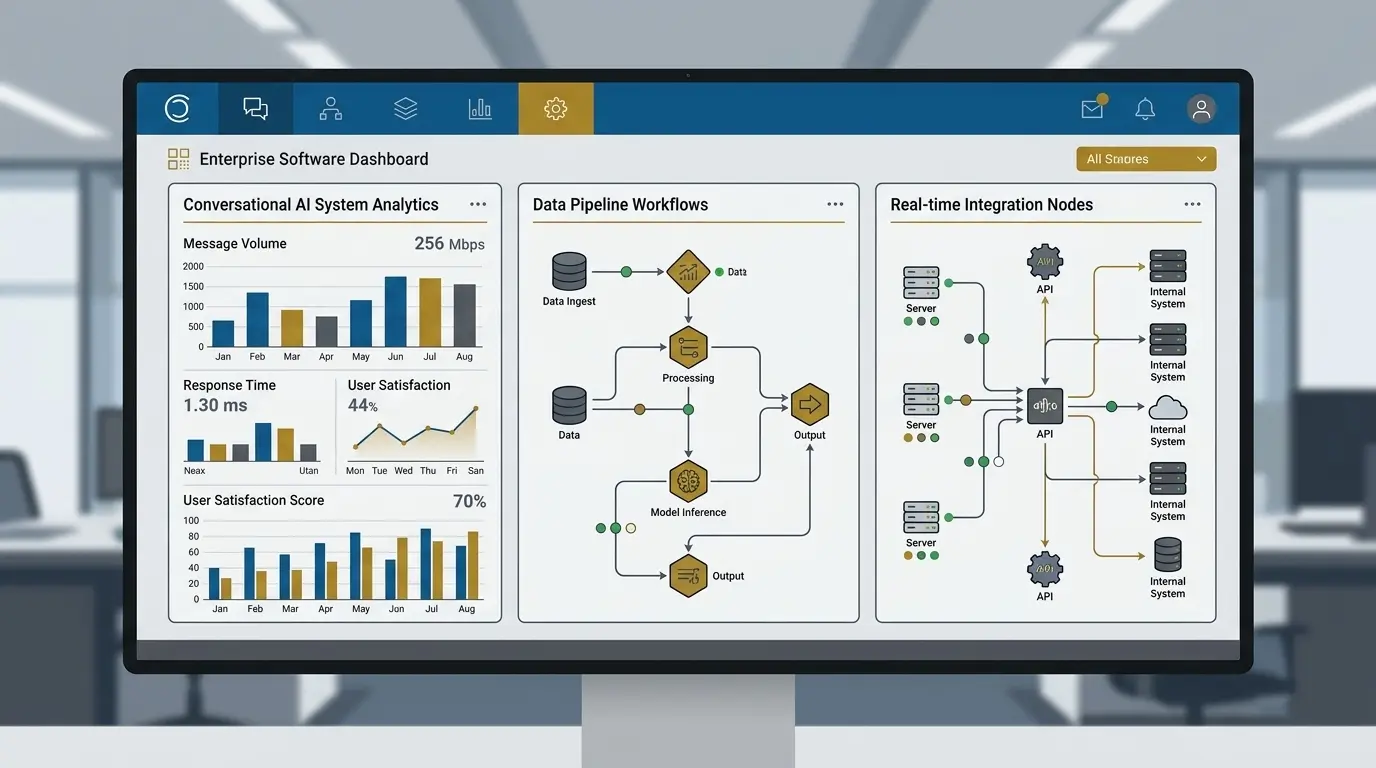
A key advantage of custom enterprise software is its ability to seamlessly integrate with existing critical systems, such as CRM, ERP, or accounting software. This creates a unified digital ecosystem, eliminating data silos and manual data transfer. For digital transformation for small businesses, this integration streamlines operations, enhances data accuracy, and provides a holistic view of the business, improving decision-making and efficiency.
Enhanced Data Security & Compliance
With custom enterprise software, SMEs gain granular control over data security protocols and compliance measures, which is often difficult with generic solutions. Tailored business solutions can be built to meet specific industry regulations (e.g., GDPR, HIPAA) from the ground up. This proactive approach to data protection minimizes risks of breaches and non-compliance, safeguarding reputation and preventing costly penalties, enhancing long-term operational integrity.
Navigating Off-the-Shelf Limitations for SME Growth
While off-the-shelf software presents initial appeal, understanding its inherent off-the-shelf limitations is crucial for SMEs. These constraints can impede growth, create inefficiencies, and ultimately prove more costly in the long run when compared to the strategic benefits of custom enterprise software vs off-the-shelf for SMEs.
Hidden Costs and Feature Bloat
While off-the-shelf software for SMEs often boasts lower upfront costs, it can lead to significant hidden expenses. Businesses frequently pay for numerous unnecessary features (feature bloat) that complicate usage and require extensive training. These unused functionalities reduce operational efficiency and can impact revenue by diverting resources, making the total cost of ownership higher than initially perceived.
Inflexible Workflows and Manual Gaps
Off-the-shelf solutions are designed for broad applicability, meaning they rarely align perfectly with an SME’s unique operational workflows. This inflexibility often necessitates manual workarounds, leading to inefficiencies, errors, and wasted time. Such limitations hinder true digital transformation for small businesses, preventing them from fully automating processes and achieving optimal operational efficiency, directly impacting productivity and growth.
Integration Challenges and Data Silos
A significant off-the-shelf limitation is the difficulty in integrating with other crucial business systems. This often results in fragmented data across multiple platforms, creating data silos that impede a holistic view of operations. Such integration challenges restrict the seamless flow of information, undermining operational efficiency and making it harder for SME software development strategies to support scalable growth effectively.
Vendor Lock-in and Dependency
Relying heavily on off-the-shelf software can lead to vendor lock-in, where an SME becomes dependent on a single provider’s roadmap, pricing, and support. This dependency limits flexibility and can stifle innovation, making it challenging to adapt quickly to market changes. In the custom enterprise software vs off-the-shelf for SMEs debate, this represents a critical long-term risk to competitive differentiation and strategic agility.
Limited Competitive Advantage
When all competitors use the same off-the-shelf solutions, achieving a unique market position becomes challenging. These generic tools offer standardized functionalities that provide no inherent competitive edge. Without tailored business solutions, SMEs struggle to differentiate their services or processes, potentially missing opportunities for innovation that could drive significant revenue growth and market share.
Making an Informed Decision: Custom Enterprise Software vs Off-the-Shelf for SMEs
The choice between custom enterprise software vs off-the-shelf for SMEs is a pivotal strategic decision impacting an organization’s future. It requires careful consideration of unique operational needs, financial implications, and long-term growth aspirations to ensure the chosen path supports robust digital transformation for small businesses.
Evaluating Unique Business Needs
The first step in deciding between custom enterprise software vs off-the-shelf for SMEs is a thorough evaluation of unique business processes. If an SME’s operations are highly specialized or provide a core competitive advantage, off-the-shelf solutions will likely fall short. Identifying these critical areas helps determine if tailored business solutions are essential for optimizing operational efficiency and maintaining differentiation.
Total Cost of Ownership (TCO) Analysis
A comprehensive TCO analysis is crucial when comparing custom enterprise software vs off-the-shelf for SMEs. This goes beyond initial licensing fees to include customization, integration, maintenance, training, and potential productivity losses from inefficient generic tools. Understanding the long-term financial impact guides smart SME software development investments, ensuring better ROI and sustainable revenue growth rather than short-term savings.
Future-Proofing for Scalable Growth
SMEs must consider their long-term growth trajectory when selecting software. Solutions should not just meet current demands but also accommodate future expansion, new services, or increased data volumes. Choosing scalable software for SMEs, whether custom-built or a highly adaptable off-the-shelf, is vital for a successful digital transformation for small businesses, preventing costly re-platforming and ensuring sustained operational continuity.
The Role of Digital Transformation
Software selection is a cornerstone of digital transformation for small businesses. It’s not merely about automating tasks but fundamentally reshaping how an SME operates to be more agile, data-driven, and customer-centric. The choice between custom or off-the-shelf impacts the depth and effectiveness of this transformation, influencing how seamlessly new technologies are adopted and how efficiently business processes evolve through SME software development.
Partnering for Successful SME Software Development
Regardless of the choice, engaging with an experienced software development partner is paramount for successful SME software development. A reputable partner can provide invaluable insights into whether custom or off-the-shelf is best, guide the implementation, and ensure the solution truly delivers tailored business solutions. This collaboration minimizes risks, optimizes resource allocation, and ultimately drives greater operational efficiency and scalable growth.
| Evaluation Criterion | Custom Enterprise Software | Off-the-Shelf Software |
|---|---|---|
| Initial Cost | Custom software typically demands a higher upfront investment due to bespoke development, design, and testing tailored to specific business needs. This can be a significant capital outlay for SMEs, though it avoids ongoing licensing fees for features you may not use. For a deeper dive, consider custom software development vs. ready-made solutions. | Off-the-shelf software, especially SaaS solutions, generally features lower initial costs, often involving subscription fees or a one-time license, making it more immediately accessible for SMEs. However, hidden costs can emerge from additional user licenses, premium features, and necessary integrations. Explore the choice between custom software vs. SaaS for businesses. |
| Implementation Time | Developing custom software involves a longer development cycle, encompassing detailed requirements gathering, design, coding, rigorous testing, and phased deployment. This extended timeline means a delayed operational launch and a longer period before realizing the full benefits. | Off-the-shelf software is generally quicker to implement, often ready for use with minimal setup and configuration, allowing for rapid adoption and immediate operational benefits. While data migration and minor customizations can extend the process, the core system is typically functional in a shorter timeframe. |
| Flexibility/Customization | Custom software offers unparalleled flexibility, being precisely tailored to an SME’s unique workflows, specific operational processes, and distinct business requirements. This ensures a perfect fit, eliminating redundant features and addressing critical functional gaps. Learn more about custom vs. off-the-shelf solutions. | Off-the-shelf solutions provide limited customization options, often requiring SMEs to adapt their existing processes to the software’s inherent functionalities. While some configuration is possible, significant alterations to core logic are usually not feasible, potentially leading to operational workarounds. |
| Scalability | Custom software can be engineered from its foundation to scale seamlessly with an SME’s growth, accommodating increasing user loads, expanding data volumes, and evolving business functionalities. This ensures the software remains a long-term asset, evolving precisely alongside the business without inherent limitations. For enterprise-level scaling, consider strategic custom software development for enterprises. | The scalability of off-the-shelf software is dependent on the vendor’s product roadmap and pricing tiers; while many SaaS platforms handle user growth efficiently, adding highly specialized functions or integrating niche systems can become restrictive or costly. SMEs might encounter limitations if their unique needs diverge significantly from the generic offering. |
| Integration Capabilities | Custom software provides superior integration potential, as it can be meticulously built to connect seamlessly with existing legacy systems, diverse third-party applications, and future technological advancements. This creates a unified and efficient ecosystem tailored specifically to the SME’s unique IT infrastructure. | Off-the-shelf integrations are typically confined to what the vendor natively supports or provides through APIs, which may not encompass all of an SME’s specific requirements. While common integrations are available, connecting to highly specialized or older proprietary systems can often be complex, expensive, or entirely impossible. |
| Maintenance & Support | Custom software necessitates ongoing maintenance and support, managed either by an in-house IT team or a dedicated development partner. This ensures the system remains updated, secure, and fully functional, incurring continuous costs but offering direct control and immediate responsiveness to issues. | Maintenance, security updates, and general support for off-the-shelf software are typically handled by the vendor and included in the subscription fee, alleviating the burden on the SME’s internal IT resources. However, the quality of support, response times, and the scope of assistance can vary significantly between providers. |
| Unique Feature Development | Custom software enables the development of highly specific, innovative features that directly address an SME’s unique market demands or intricate operational challenges. This capability empowers the creation of proprietary tools and functionalities that can significantly differentiate the business. For tailored solutions, consider custom AI solutions when off-the-shelf isn’t enough. | Feature development in off-the-shelf software is entirely dictated by the vendor’s product roadmap, meaning SMEs cannot easily request or implement unique functionalities crucial for their niche. Businesses must rely on the generic feature set, potentially missing opportunities for competitive innovation. |
| Competitive Advantage | Custom software provides a significant competitive advantage by optimizing unique internal processes, enabling distinct customer experiences, or offering proprietary services that competitors cannot easily replicate. This exclusivity can be a powerful differentiator, fostering innovation and market leadership. Explore how bespoke AI development services can drive unrivaled business advantage. | Off-the-shelf software offers a baseline level of functionality that is readily accessible to all competitors, making it challenging to achieve a unique operational or market advantage solely through its use. While it provides efficiency, it typically does not inherently provide a strategic differentiator that sets an SME apart. |
Real-World Impact: When Custom or Off-the-Shelf Excels for SMEs
For effective SME digital transformation, choosing the right strategic software choices is critical. The decision between readily available off-the-shelf business applications and tailored custom software solutions for SMEs profoundly impacts operational efficiency, customer experience, and growth.
Consider a professional services firm needing to streamline client communication and project management. A well-chosen off-the-shelf CRM offers immediate, cost-effective benefits. It enhances operational efficiency through centralized data and automated workflows, allowing the firm to quickly scale client relationships and focus on core service delivery.
Conversely, a rapidly scaling e-commerce enterprise with a unique product catalog and intricate customer loyalty program finds generic solutions restrictive. Here, custom software becomes indispensable. Tailoring inventory management and a deeply integrated loyalty system significantly enhances customer experience, driving substantial growth and a distinct competitive advantage.
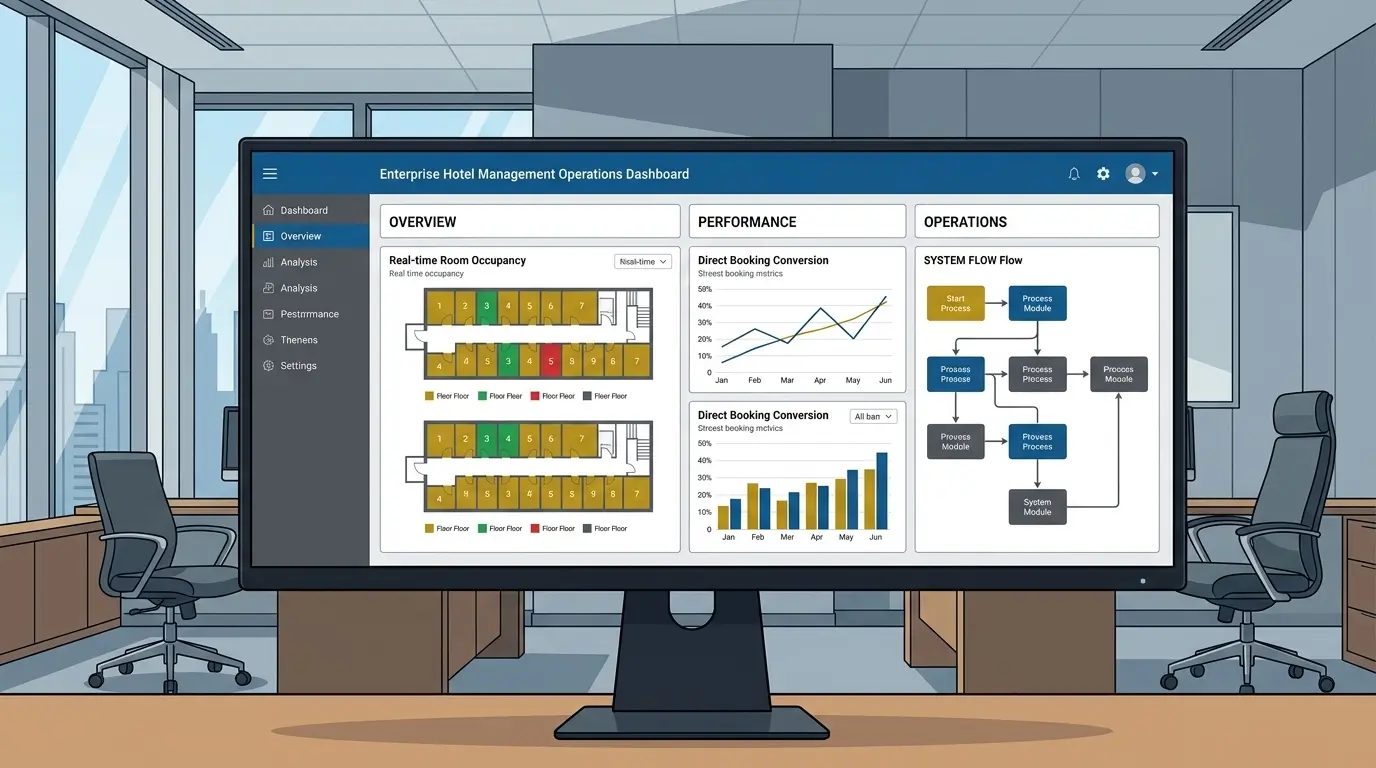
Similarly, a multi-property hospitality group thrives on a cohesive guest experience. A bespoke solution integrating property-specific amenities, personalized guest services, and centralized operational oversight can revolutionize efficiency and guest satisfaction. Such custom software provides an unparalleled competitive edge, ensuring seamless operations and a unique brand identity.
Empowering Your SME’s Digital Future
Navigating the evolving digital landscape is paramount for sustained SME growth. The decision between adopting off-the-shelf solutions and investing in tailored systems is critical, directly impacting efficiency and scalability. Custom software development offers the flexibility to perfectly align with unique operational workflows, whereas ready-made options provide quick deployment.
**Businesses exploring custom enterprise software solutions for their unique operational needs often find value in expert consultation.** Similarly, **decision-makers evaluating the long-term impact of off-the-shelf versus tailored systems for their SME’s growth trajectory** understand the necessity of a well-informed choice. This strategic planning ensures not just immediate problem-solving but also future-proofing your operations. To truly unlock transformative business growth and efficiency, considering a strategic partnership to guide this crucial digital transformation journey is invaluable. Expert software consulting services can illuminate the optimal path for your specific business context.
Charting Your Course: Strategic Software Decisions for SME Growth
In navigating the dynamic landscape of modern business, SMEs must carefully choose between custom enterprise software and off-the-shelf solutions. This is a pivotal strategic decision for SMEs.
As we’ve explored, this is more than a technological preference. It is a fundamental business imperative. The right software supports operational efficiency. It helps processes run smoothly and enables teams to perform effectively.
Moreover, software directly impacts scalability. It determines whether your systems can adapt and grow with your business. This helps prevent technology from becoming a bottleneck.
Crucially, an informed choice can provide a significant competitive advantage. It can enable unique workflows and superior customer experiences that generic solutions may not offer.
To truly unlock your potential, your technology should support business growth. Therefore, decision-makers should move beyond guesswork. Consulting experts can help you evaluate both business strategy and technology implementation.
Colladome offers tailored assessments based on your specific needs. These assessments evaluate your operational requirements, current challenges, and future aspirations.
Furthermore, we can help you explore bespoke custom software development solutions. These solutions can align with your unique business goals and support sustained SME growth.
What are the hidden costs of off-the-shelf software for small businesses?
Off-the-shelf solutions can involve several hidden costs. For example, businesses may face customization fees for specific workflows.
Licensing costs can also increase as your team grows. In addition, integration challenges may require additional investment. Ongoing subscriptions, data migration, and staff training can further increase expenses.
As a result, these costs can reduce the initial savings. They may also make the total cost of ownership higher than expected for a growing SME.
How long does it typically take to develop custom enterprise software for an SME?
The timeline for custom enterprise software development varies based on complexity and features. Simple solutions might take 3–6 months.
In contrast, comprehensive systems that integrate multiple functions may require 9–18 months or more. A thorough discovery phase can help define the project scope.
Furthermore, an agile development methodology can streamline development. It can also support efficient delivery and alignment with business goals.
When should an SME definitively choose custom software over a ready-made solution?
An SME should consider custom software over a ready-made solution when existing options fail to meet unique operational needs. Custom software can also be valuable when businesses need a competitive advantage.
In addition, integration challenges can make custom development a better choice. This is especially true when critical systems require specialized connections.
Custom development may also suit businesses with highly specialized processes. Similarly, stringent compliance requirements can support this choice. Scalability needs that exceed standard offerings may also justify custom development.
Can custom software seamlessly integrate with existing off-the-shelf tools an SME already uses?
Yes, custom software can integrate with existing off-the-shelf tools. These may include CRM, ERP, and accounting platforms.
Developers can build APIs and connectors for your existing ecosystem. As a result, businesses can achieve smoother data flow and reduce manual transfers.
This approach also helps preserve investments in existing tools. Moreover, it can enhance functionality and create a more unified operational environment.
What specific benefits does custom hotel management software offer growing SMEs compared to generic options?
Custom hotel management software provides features tailored to a growing hotel’s unique operations. It can enhance the guest experience and optimize revenue.
Unlike generic options, custom software can integrate specific booking channels and loyalty programs. It can also support unique property management requirements.
As a result, hotels can streamline workflows and reduce manual errors. Better data analytics can also support decision-making. Furthermore, custom software offers scalability to support future expansion.