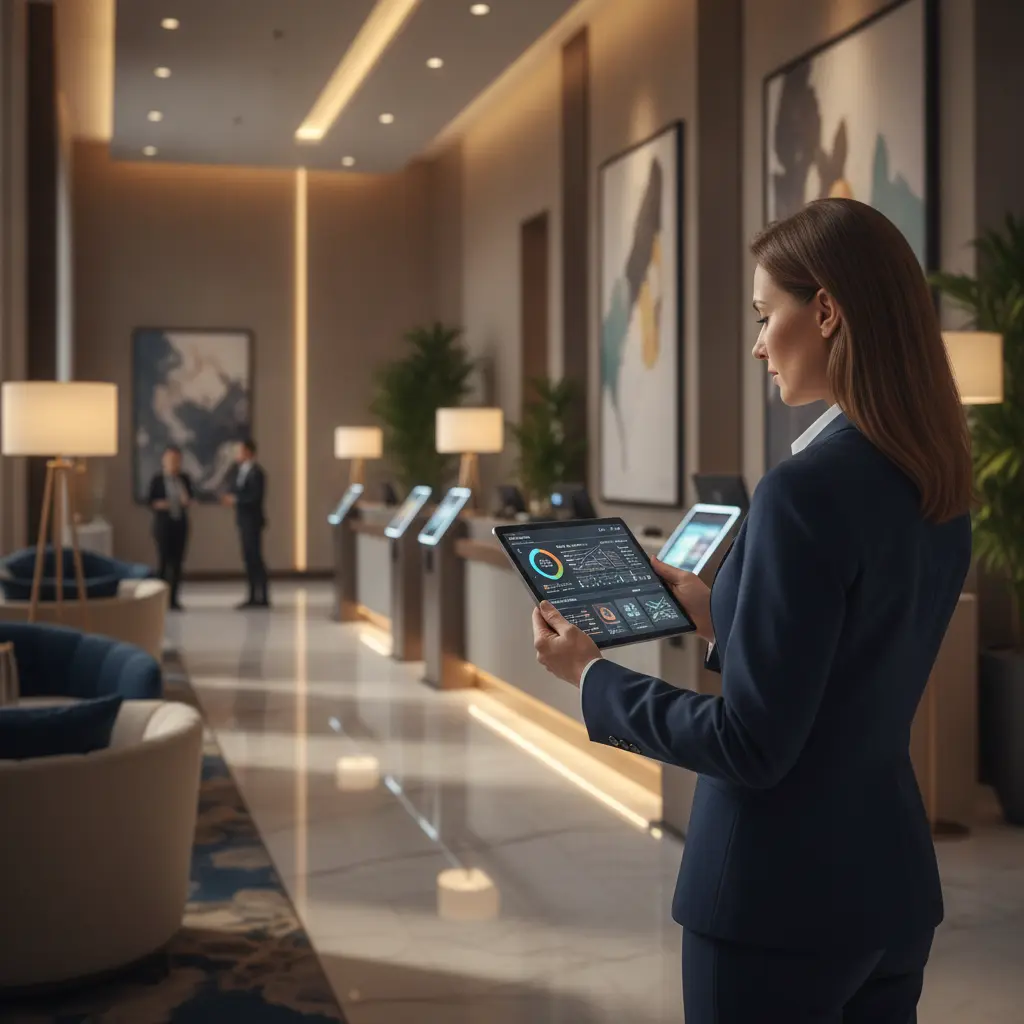

A hotel automation software development consultation is an advisory engagement where software architects and hospitality operational strategists evaluate a property’s digital ecosystem, uncover workflow bottlenecks, and design custom automated systems. This diagnostic process establishes the technical blueprints needed to synchronize reservations, guest check-in, dynamic pricing, and staff workflows into a single high-efficiency operating layer.
Hospitality leaders today navigate fragmented guest records, disconnected legacy tools, and mounting overhead costs. Through strategic hospitality software development consulting services, owners align their technical infrastructure with direct business goals. Purpose-built automation replaces manual reconciliation with continuous data flows, securing robust operating margins across independent boutique properties and enterprise portfolios alike.
The Cost of Fragmentation: Where Traditional Hospitality Systems Fail
Legacy property management systems (PMS) often function in isolation from modern booking engines, third-party distribution channels, and on-site hardware. When these systems fail to communicate, front-desk agents must manually cross-check reservations, and housekeeping teams rely on outdated status printouts. This lack of cohesion causes billing errors, delayed room turnarounds, and excessive dependency on Online Travel Agencies (OTAs) that siphon high commission fees.
For hotel owners, Chief Operating Officers, and tech heads, system fragmentation represents a direct leak in net operating income (NOI). Overlapping subscriptions for disjointed tools increase IT maintenance expenses while providing zero unified visibility into guest spending or room status. Manual operational band-aids burn out management teams and lower service standards. True business stability requires eliminating these disparate digital siloes at their architectural root.
Bespoke Automation Architecture: Unifying Property Operations
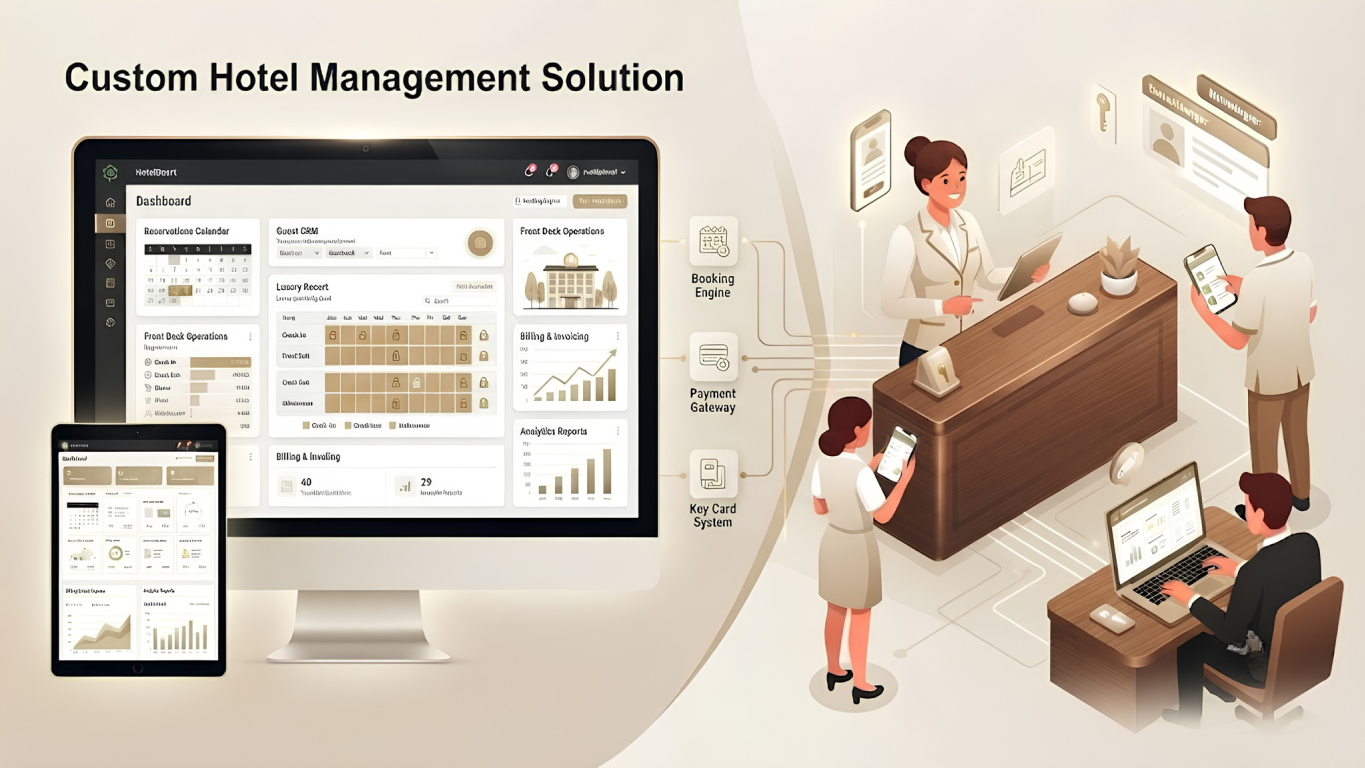
Investing in custom hotel management automation systems introduces a centralized control layer across your entire property portfolio. Rather than attempting to patch together inflexible third-party applications, a bespoke architecture integrates your reservation engine, dynamic pricing tools, room allocation, and housekeeping scheduling into one continuous pipeline. This unification removes repetitive human error and offers leaders instant visibility over their entire operation.
Modern engineering combines responsive hotel ERP development with robust cloud infrastructure. By centralizing guest profiles, payment channels, and operational data, properties can deliver tailored guest interactions while running back-office logistics on autopilot. To evaluate the architectural differences between third-party licensing and owned solutions, many organizations review custom software development vs off the shelf solutions explained before committing capital.
Core Functional Transformations Delivered via Custom Engineering
Strategic technology modernizations turn reactive tasks into automated, revenue-generating operations. An experienced smart hotel software development agency focuses on four core functional pillars:
- Revenue Management | Problem: Manual rate updates lag behind rapid market fluctuations and local events. | Solution: Implement algorithmic yield management that evaluates competitor pricing and demand in real time. | Outcome: Captures a 7% to 14% increase in Average Daily Rate (ADR) without extra labor.
- Guest Journey | Problem: Front-desk bottlenecks during peak check-in cause long queues and guest frustration. | Solution: Deploy web-based contactless check-in paired with digital key distribution. | Outcome: Reduces physical check-in processing times by up to 80%.
- Housekeeping & Maintenance | Problem: Static room-cleaning sheets create communication lags between cleaners and the front desk. | Solution: Build dynamic room-routing modules that update room readiness instantly upon guest departure. | Outcome: Accelerates room turnaround velocity by 35 minutes per unit.
- Distribution Channels | Problem: Commission leakage from heavy reliance on third-party OTA marketplaces. | Solution: Integrate an automated Central Reservation System (CRS) synced directly with a high-conversion booking engine. | Outcome: Drives up direct booking volume by 25% within six months of deployment.
Engineering High-Performance Integration Across Hotel Touchpoints
Modern properties run dozens of interconnected touchpoints that demand low-latency data exchange. Expert hotel workflow automation consulting designs robust APIs that bridge the gap between digital systems and on-premise staff.
Bi-Directional Channel Manager and CRS Synchronization
Reliable two-way synchronization between your Central Reservation System and global booking channels stops overbooking errors entirely. Dedicated APIs push rates and availability updates to all platforms in fractions of a second. This continuous data exchange eliminates double-booking incidents and recovers dozens of front-desk administrative hours each month.
Direct IoT Hardware Connectivity for Energy and Access Control
Connecting software platforms directly to on-premise hardware automates door locks, thermostats, and in-room lighting based on occupancy status. When a guest completes mobile check-in, encrypted digital credentials transmit instantly to their smartphone. This direct hardware communication reduces guest room energy consumption by up to 22% during vacant periods.
Unified Payment Gateway and POS Data Consolidation
Integrating food, beverage, spa, and ancillary point-of-sale systems into a central ledger eliminates manual folios. Real-time billing consolidation ensures guest charges post directly to the primary room reservation without manual staff input. This structural automation completely removes night-audit billing reconciliation discrepancies across diverse property revenue centers.
Algorithmic Efficiency and Revenue Maximization
True operational efficiency goes beyond simple rule-based actions by incorporating dynamic data models that adapt to shifting guest patterns.
Automated Yield Optimization Based on Market Demand
Dynamic pricing engines monitor regional booking trends, flight arrival volumes, and local market events around the clock. Rates automatically adjust across every channel based on pre-set revenue thresholds, eliminating manual spreadsheets. Properties applying real-time pricing intelligence see an immediate 10% to 18% lift in Revenue Per Available Room (RevPAR).
Predictive Inventory Allocation Across Booking Channels
Custom algorithms dynamically allocate room blocks across direct websites, corporate portals, and OTAs to favor channels with the lowest acquisition costs. When direct booking volume surges, high-cost third-party channels close automatically. This predictive routing protects high profit margins and reduces third-party commission expenses by thousands of dollars monthly.
Dynamic Staffing Schedules Tied to Occupancy Velocity
Automated workforce modules pull reservation forecasts to generate staff rotas that align precisely with expected guest arrivals and departures. Department heads avoid overstaffing during lulls and prevent service delays during sudden surges. For deeper analysis on team scheduling, review challenges in hotel workforce management and how attendance management software solves them to reduce unneeded overtime labor expenses.
Enterprise Governance, Data Integrity, and Security
System upgrades must safeguard proprietary operating data and comply with global hospitality standards.
PCI-DSS and Regional Guest Data Privacy Compliance
Modern enterprise platforms isolate sensitive payment card data using end-to-end tokenization and strict vault protocols. Protecting customer profiles meets global compliance mandates like GDPR and CCPA effortlessly. This rigorous architectural governance eliminates liability risks and shields properties from regulatory compliance fines during digital payment transactions.
Zero-Downtime Data Migration from Legacy PMS
Seasoned enterprise engineers use phased data ingestion pipelines to transfer historical reservation logs, guest profiles, and rate structures without taking active systems offline. The property continues taking reservations and processing check-ins during the system upgrade. This zero-downtime approach eliminates operational disruption and protects daily reservation revenue.
Granular Role-Based Access Controls (RBAC) for Staff
Role-based access parameters enforce strict boundaries, ensuring employees access only the information required for their specific shift duties. Front-desk staff view operational room details, while finance administrators retain exclusive access to revenue reporting. This strict permission architecture eliminates internal administrative data breaches and prevents unauthorized room-rate alterations.
Evaluation Matrix: Off-the-Shelf SaaS vs. Custom Hospitality Automation
Choosing between commercial subscription software and a proprietary build requires a balanced assessment of operational flexibility and long-term costs. Hoteliers must weigh immediate onboarding against ongoing licensing fees and architectural freedom.
| Strategic Capability | Commercial Off-The-Shelf (COTS) SaaS | Custom Engineered Automation Architecture |
|---|---|---|
| Data Ownership & Portability | Data stored in vendor-controlled clouds; export formats frequently restricted. | Full proprietary ownership of databases, schemas, guest data, and operational logs. |
| Integration Flexibility (Legacy Hardware & APIs) | Constrained by pre-built marketplace plugins and rate-limited public APIs. | Direct middleware engineered to interface with custom hardware and bespoke on-premise locks. |
| Feature Customization to Operating Model | Standardized workflows require teams to adapt internal operations to software limits. | Tailor-made modules mapped directly to your unique operational and guest service flows. |
| Total Cost of Ownership (3-5 Year Horizon) | Compounding monthly user licenses and transaction fees that scale with growth. | Upfront capital investment with minimal recurring maintenance costs, yielding lower 5-year TCO. |
| Direct-Booking Channel Autonomy | Vendor retains control of checkout funnels, often charging platform booking fees. | Independent, customized booking architecture optimized exclusively for direct revenue capture. |
While packaged SaaS platforms allow rapid onboarding, recurring user fees and rigid feature sets frequently constrain expanding brands. Commission fees and middleware costs compound as portfolio inventory scales. Investing in proprietary architecture transforms ongoing software expenses into a defensible corporate asset that provides complete digital independence, an approach highlighted across Hospitality Net industry benchmarks.
Operational Scenarios: Automation Impact Across Hospitality Verticals
Custom technology delivers measurable business value across diverse hospitality business models:
Multi-Property Boutique Groups: Operators standardize guest profile management across distributed boutique properties without expanding regional management teams. Centralized dashboards unify rate distribution and housekeeping oversight across properties, creating operational consistency.
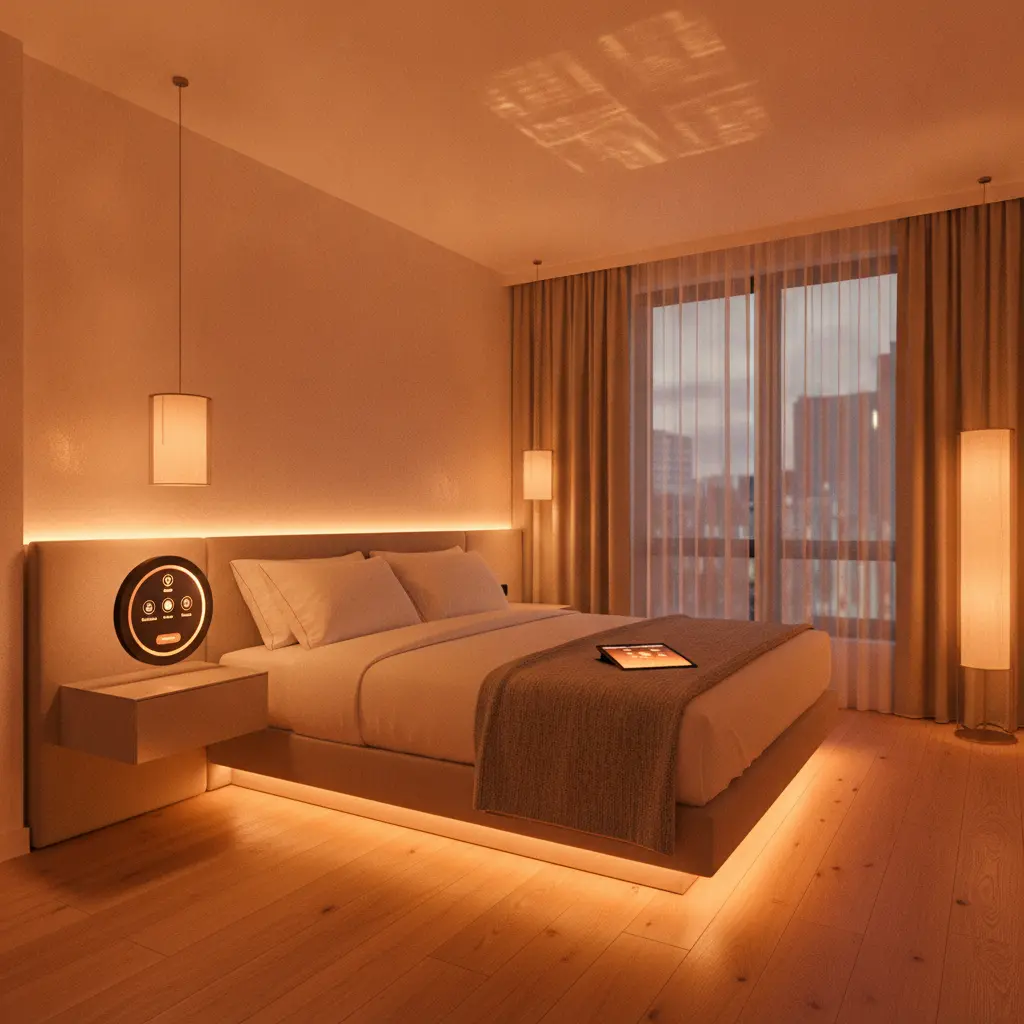
Luxury Full-Service Resorts: Tailored engines automate high-margin ancillary reservations—such as cabanas, spa treatments, and dining—directly through digital guest itineraries. In-room automation automatically triggers welcome climate controls upon check-in, reinforcing luxury positioning while minimizing service delays.
High-Volume Urban Business Hotels: Corporate hubs use automated mobile registration and instant billing reconciliations to process high volumes of corporate travelers during peak hours. Digital invoicing directly syncs with corporate travel accounts, eliminating front-desk queues and night-audit delays.
Evaluating Your Current Tech Stack for Modern Automation
Hotels assessing custom infrastructure should first establish clear benchmarks around existing system friction and integration gaps. Leadership teams can audit manual tasks, measure OTA commission expenses, and track time lost to cross-system data entry. Decision-makers exploring automation can evaluate these findings against their long-term growth roadmaps to determine whether targeted API middleware or a complete platform modernization delivers the highest return.
Transforming Hospitality Operations into a Scalable Asset
Lasting operational efficiency does not come from stacking isolated digital tools. It requires an integrated digital foundation designed around your property’s specific operating model. Relying on piecemeal software subscriptions creates system fragility and caps portfolio scalability.
A structured hotel automation software development consultation with Colladome gives leadership teams the clarity needed to modernize mission-critical systems. By swapping manual procedures for purpose-built automation, hoteliers protect their net operating income, elevate guest satisfaction, and build sustainable enterprise value. To discuss your technology roadmap, contact us to schedule a technical architecture review with our senior software engineers.