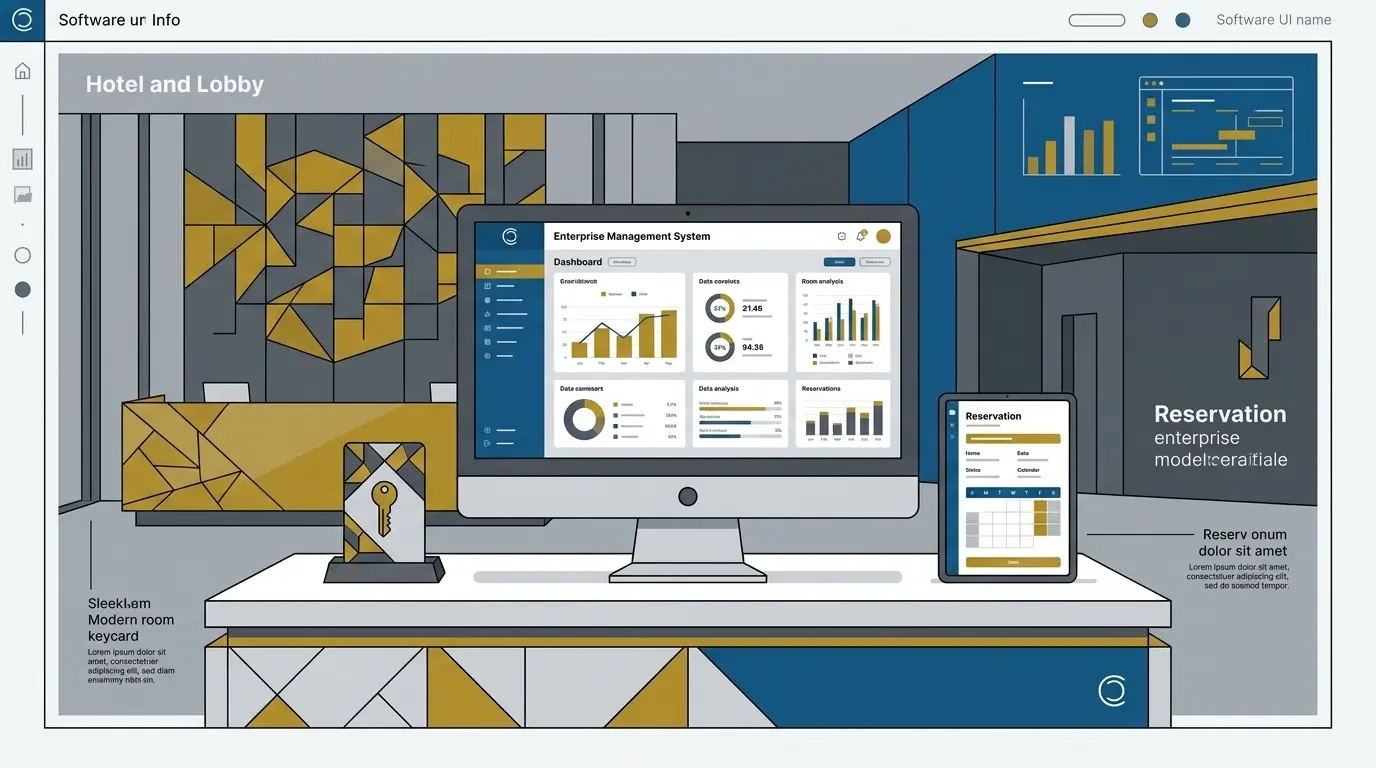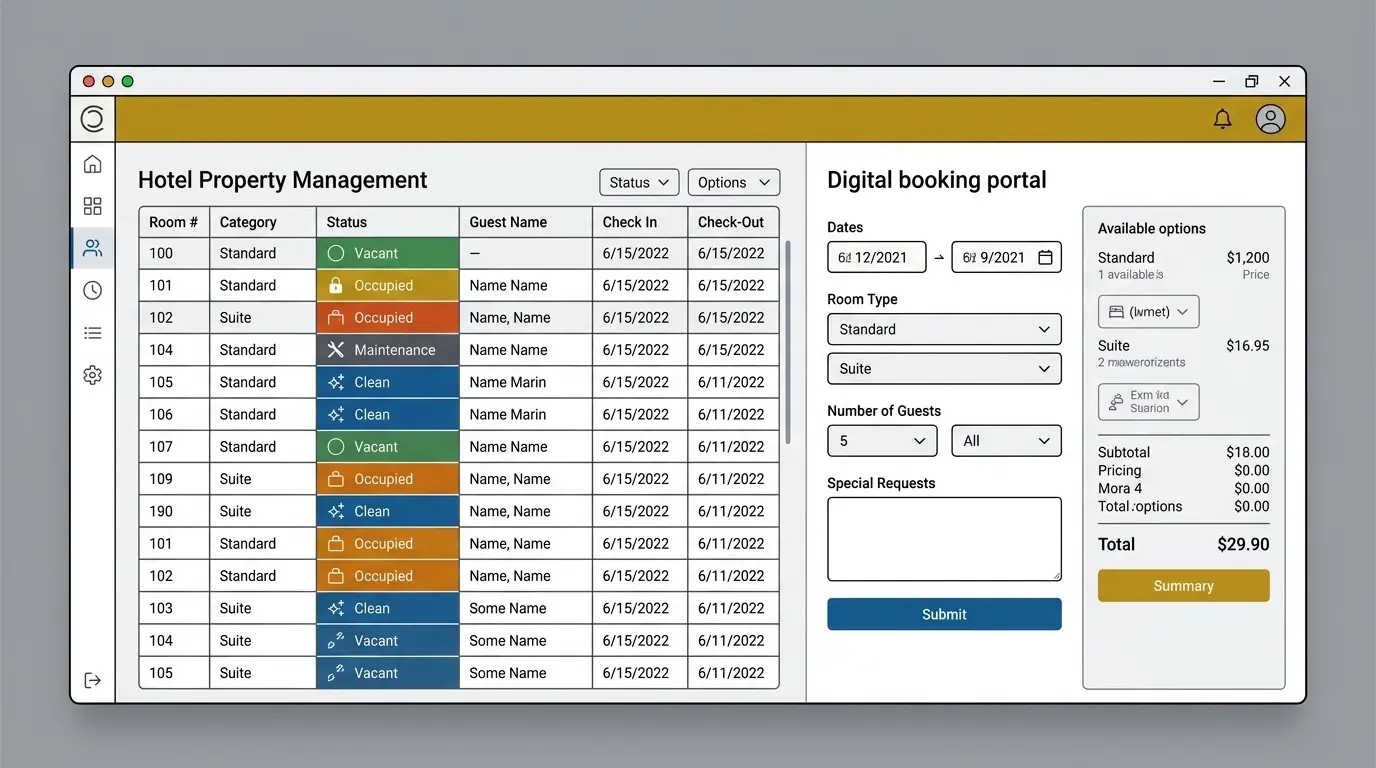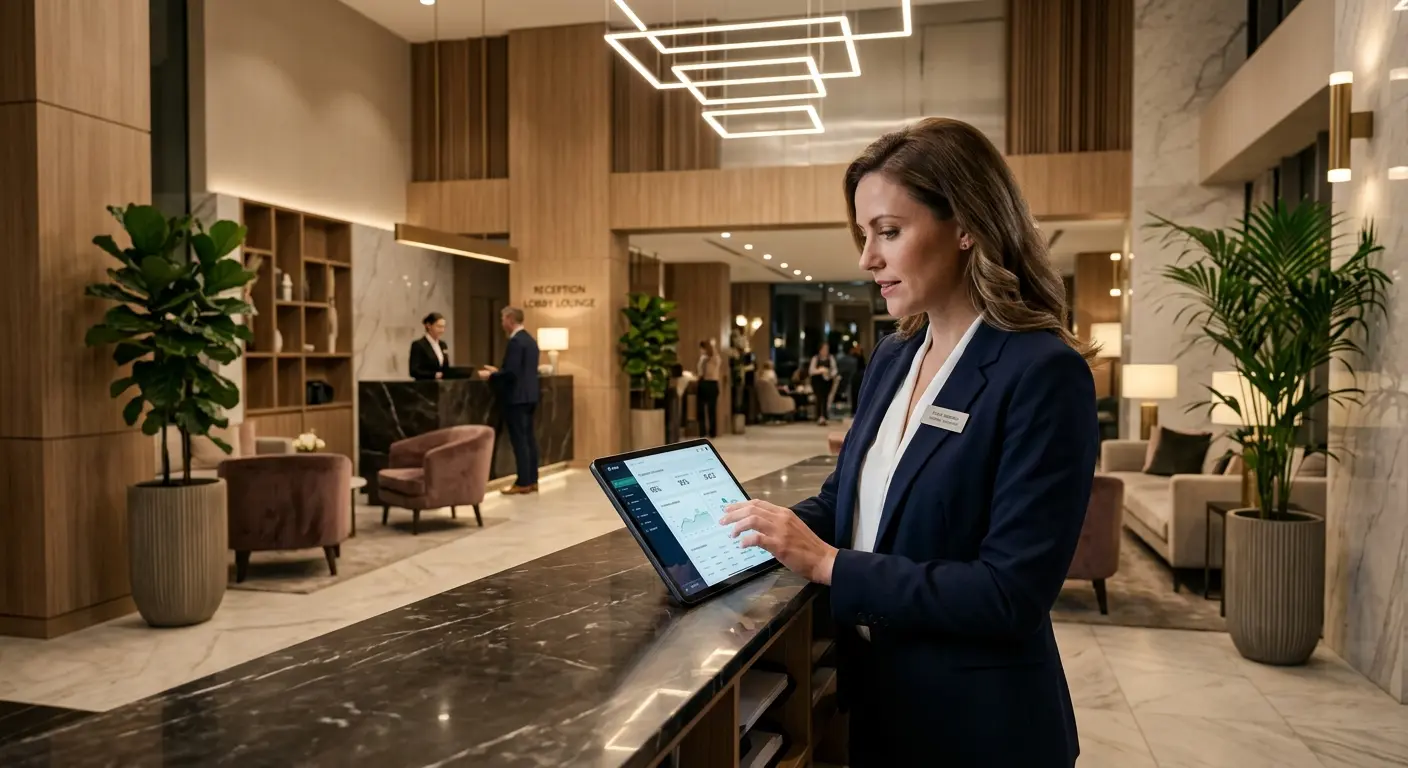

When comparing custom hotel automation software vs off the shelf pms platforms, the primary difference lies in operational architecture and ownership: custom hotel automation provides a proprietary, bespoke software system built specifically around an operator’s unique guest journeys, automated staff workflows, and integration requirements without ongoing per-room license fees, whereas an off-the-shelf property management system (PMS) offers a shared, standardized SaaS application with pre-configured features, rigid third-party integrations, and perpetual subscription costs.
For hospitality founders, operations executives, and tech heads navigating portfolio growth in 2026, tech stack agility directly impacts the bottom line. Off-the-shelf PMS platforms offer plug-and-play simplicity for single, independent properties. However, scaling chains and innovative boutique hospitality brands frequently encounter integration ceilings, fragmented guest records, and steep commission markups. Deciding between building bespoke technology and purchasing commercial licenses requires evaluating operational efficiency, total cost of ownership, and long-term brand equity.
The Hidden Operational Costs of Standard Hotel Management Systems
Commercial, off-the-shelf property management systems often promise low barriers to entry. Yet beneath the predictable recurring subscription lies a web of secondary expenses. Most off-the-shelf platforms function as closed ecosystems, charging steep marketplace connection fees or monthly API maintenance taxes simply to synchronize booking engines, central reservation systems, and point-of-sale terminals. As transaction volumes surge, these third-party integration charges silently erode gross operating profits.
Operational rigidity presents an equally damaging hidden cost. When an off-the-shelf PMS dictates how staff handle check-ins, room assignments, and housekeeping schedules, front-line teams end up adjusting operational workflows to suit software limitations rather than guest expectations. Standard booking engines also constrain direct conversion paths, forcing properties to rely heavily on expensive online travel agencies (OTAs). Over time, these operational bottlenecks decrease Net RevPAR and prevent dynamic portfolio scaling.
Tailored Automation: Aligning Hotel Tech with Proprietary Workflows
Adopting custom hotel automation software treats digital infrastructure as an appreciating capital asset rather than a continuous operational tax. Bespoke engineering links reservation management, dynamic pricing engines, automated keyless room access, and housekeeping dispatches into one cohesive data layer. This direct connectivity eliminates redundant data entry, giving leadership immediate visibility across properties.
As an experienced software consulting company, Colladome builds tailored hospitality engines around your exact operational blueprints. This bespoke approach guarantees complete data sovereignty, zero per-key monthly licensing penalties, and the agility to modify features as guest expectations evolve. For deeper insights into development architecture, explore our custom software development vs off-the-shelf solutions guide.
Core Decision Metrics: Custom Hotel Automation vs Off The Shelf PMS
Navigating the transition between standardized SaaS tools and dedicated engineering demands a systematic review of core operational priorities. Decision-makers should evaluate four high-value operational metrics:
- Integration Flexibility:
Problem: Off-the-shelf systems lock data inside closed SaaS silos, requiring paid middleware and brittle webhook connectors.
Solution: A custom API mesh directly connects point-of-sale, direct booking, and accounting systems.
Outcome: Automated real-time inventory and pricing sync across all distribution channels without middleware failure points. - Unit Economics & Licensing:
Problem: Exponential per-room and per-user monthly SaaS fees punish portfolio growth.
Solution: Upfront capital expenditure to construct dedicated, proprietary software assets.
Outcome: 30% to 40% lower total cost of ownership across a 5-year operational lifecycle. - Guest Journey Differentiation:
Problem: Generic off-the-shelf mobile check-in flows look indistinguishable from competitors, reducing guest loyalty.
Solution: Bespoke, branded contactless journeys that trigger customized guest preferences upon arrival.
Outcome: Significant RevPAR expansion and double-digit growth in direct, commission-free rebookings. - Workflow Automation:
Problem: Disjointed staffing dashboards cause communication gaps between maintenance, front desk, and housekeeping teams.
Solution: Unified, event-triggered internal automation that pushes real-time tasks to staff mobile devices.
Outcome: More than 15 labor hours saved per property each week, freeing staff to prioritize guest service.
Financial Architecture and Total Cost of Ownership (TCO)
Subscription Creep vs Capital Investment
Off-the-shelf hotel PMS platforms rely on compounding SaaS subscription models. Operators pay monthly platform base fees, per-room surcharges, and secondary user seat fees. As your room inventory expands, licensing costs escalate indefinitely. Conversely, bespoke software development converts software expenditure into a one-time capital investment, establishing predictable long-term IT overhead.
Payment Processing and Commission Freedom
Commercial hotel software vendors often mandate proprietary payment gateways that carry inflated transaction surcharges. According to payment benchmarking studies published by Statista, payment processing markups can quickly drain hospitality margins during peak booking volumes. Custom payment architectures allow properties to negotiate directly with wholesale merchant acquiring banks, saving thousands annually.
Long-Term ROI and Asset Valuation
Licensing off-the-shelf software creates zero balance-sheet equity. If the PMS provider sunsets an essential feature or hikes subscription pricing, your operations remain trapped. Owning custom hotel automation software establishes proprietary intellectual property, directly increasing your hospitality group’s overall enterprise valuation while eliminating vendor dependency.
Operational Control and System Interoperability
Eliminating Data Silos Across Operations
A unified custom PMS centralizes operations across the front desk, housekeeping, wellness facilities, and restaurant point-of-sale counters. Departmental updates reflect instantly across the entire ecosystem without third-party connector fees. This synchronization gives general managers precise, real-time inventory numbers and synchronized billing data at every touchpoint.
Tailoring Niche Brand Experiences
Luxury boutique hotels, extended-stay aparthotels, and hybrid wellness retreats rarely fit into standard PMS templates. Pre-built software cannot accommodate non-traditional inventory models, such as hourly wellness pods or tiered membership billing. Tailored automation maps precisely to your business model, unlocking distinctive operational agility.
Scalability Across Future Expansion
Expanding into new regional markets requires adaptable systems that absorb local tax structures, multi-currency transactions, and localized compliance rules without contract renegotiation. Growing hotel operators leverage specialized resource augmentation services to scale dedicated engineering sprints when building new multi-property workflows or rolling out regional features.
Competitive Advantage and Guest Retention
Bespoke Loyalty and Direct Booking Funnels
Standardized booking engines offer limited room for personalization. Tailored direct-booking automation provides custom guest profile engines that recognize repeat visitors, dynamically package amenities, and deliver personalized promotions. These optimized flows turn one-time guests into direct bookers, successfully bypassing high OTA commissions.
Automated Guest Touchpoints
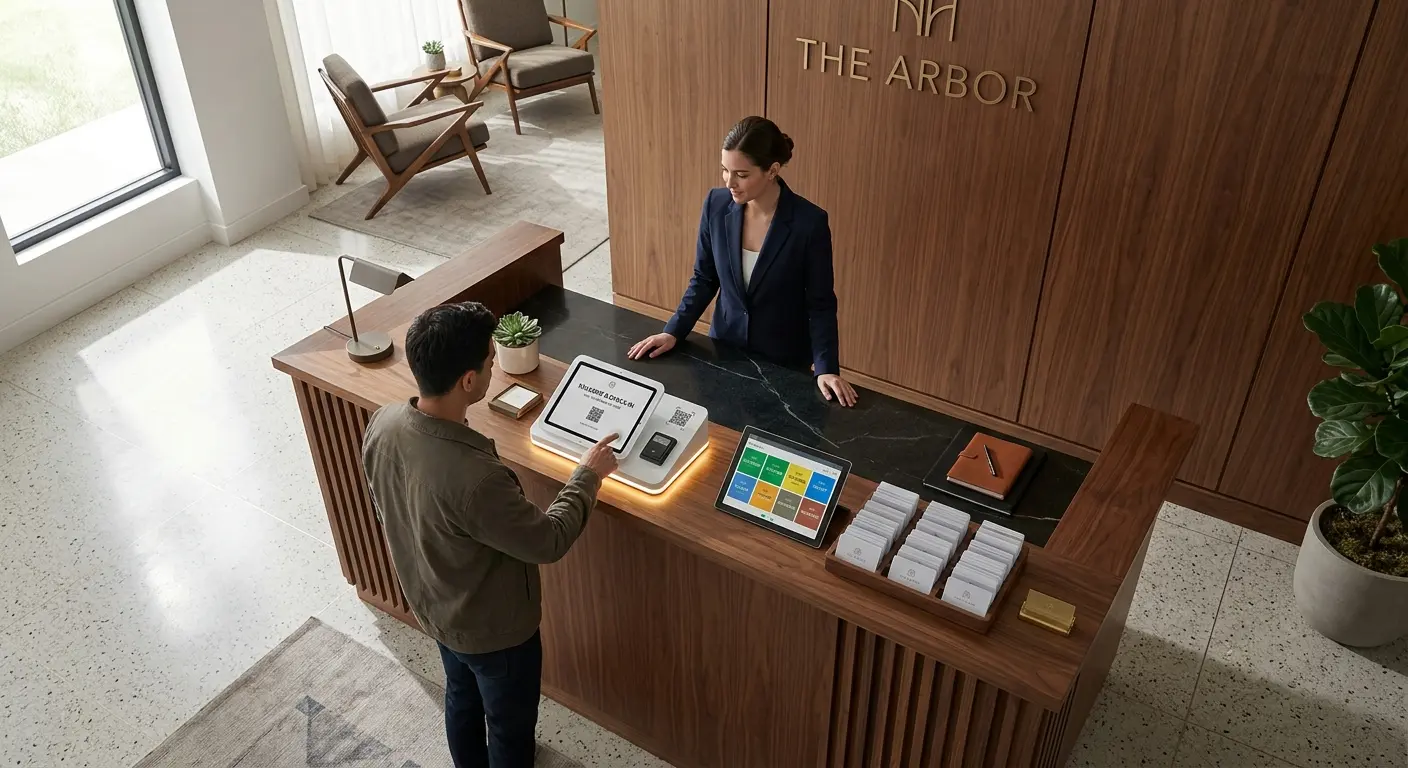
Modern travelers expect frictionless digital interactions. Custom automation orchestrates seamless digital key delivery, self-service mobile check-in, and instant housekeeping dispatch through branded messaging interfaces. Every guest interaction follows your brand guidelines without the awkward visual branding of third-party SaaS portals.
Consultative Roadmap Alignment
Selecting between commercial SaaS systems and custom engineering requires strategic alignment with your property’s long-term business goals. Before committing capital, hospitality executives often benefit from an architectural hotel automation software development consultation to validate their operational readiness, assess legacy constraints, and map an efficient software delivery plan.
Feature Matrix: Custom Hotel Automation vs Off The Shelf PMS
Review the fundamental differences across key architectural and financial dimensions to determine which software model aligns with your operational targets:
| Strategic Dimension | Off-The-Shelf PMS | Custom Hotel Automation | Business Impact |
|---|---|---|---|
| Cost Structure | Recurring per-room subscription fees plus add-ons | CapEx asset investment with zero seat licenses | Substantial reduction in long-term total cost of ownership |
| Customization | Static feature roadmaps dictated by vendor | 100% tailored to proprietary property workflows | Eliminates operational workarounds and boosts staff efficiency |
| Integrations | Restricted to proprietary marketplace app stores | Direct custom API integrations to any third-party tool | Real-time bi-directional data flow with zero connector fees |
| Data Ownership | Multi-tenant shared cloud storage environment | Dedicated enterprise database with total governance | Guarantees guest data sovereignty and strict compliance control |
| Scalability Barrier | Subscription expenses multiply with each room | Linear system scaling with zero license penalties | Preserves operating profit margins during portfolio expansion |
Real-World Scenarios: When to Choose Custom Automation
Examining practical hospitality business cases clarifies when building bespoke automation delivers tangible operational and financial advantages over pre-built platforms.
The Rapidly Growing Boutique Group
A regional boutique group managing five properties struggled with fragmented reservation channels and disjointed guest databases across separate systems. By replacing standard commercial software with a custom hotel automation platform, the operator eliminated over $36,000 in annual recurring SaaS licenses. The custom engine incorporated automated guest upselling during mobile check-in, lifting auxiliary revenue by 22% within seven months while standardizing brand-wide guest history.
The Mixed-Use Hospitality & Resort Brand
An operator managing short-term boutique suites, wellness facilities, and independent food and beverage outlets faced operational friction using commercial PMS tools that could not synchronize disparate billing structures. Standard platforms required three separate third-party plugins that regularly dropped transaction records. Custom automation engineered a unified guest folio system, syncing wellness appointments, restaurant tabs, and room rates into one checkout flow that saved front-desk staff dozens of hours every week.
Evaluating Your Hotel Tech Stack for Scale
Decision-makers evaluating custom hotel automation software vs off the shelf pms options must conduct an objective audit of their technical debt, transaction volume, and operational bottlenecks. If your team spends substantial time resolving data discrepancies or your monthly SaaS seats outpace your IT budget, standard software is limiting your expansion. Businesses exploring modernization benefit from establishing an objective technical audit before renewing rigid commercial software licenses.
Conclusion: Making the Right Software Investment for Your Hospitality Brand
The choice between custom hotel automation software vs off the shelf pms systems hinges on your operational complexity and growth ambitions. Commercial PMS software provides quick setup for single-property operators with standard operational needs. However, growing brands and multi-property operators achieve superior profit margins, complete data sovereignty, and unconstrained guest personalization by investing in proprietary automation.
Ready to break free from rigid software constraints and recurring seat licensing fees? Connect with Colladome’s hospitality engineering team to review your technical architecture and receive a tailored hotel automation software blueprint designed for scalable growth.