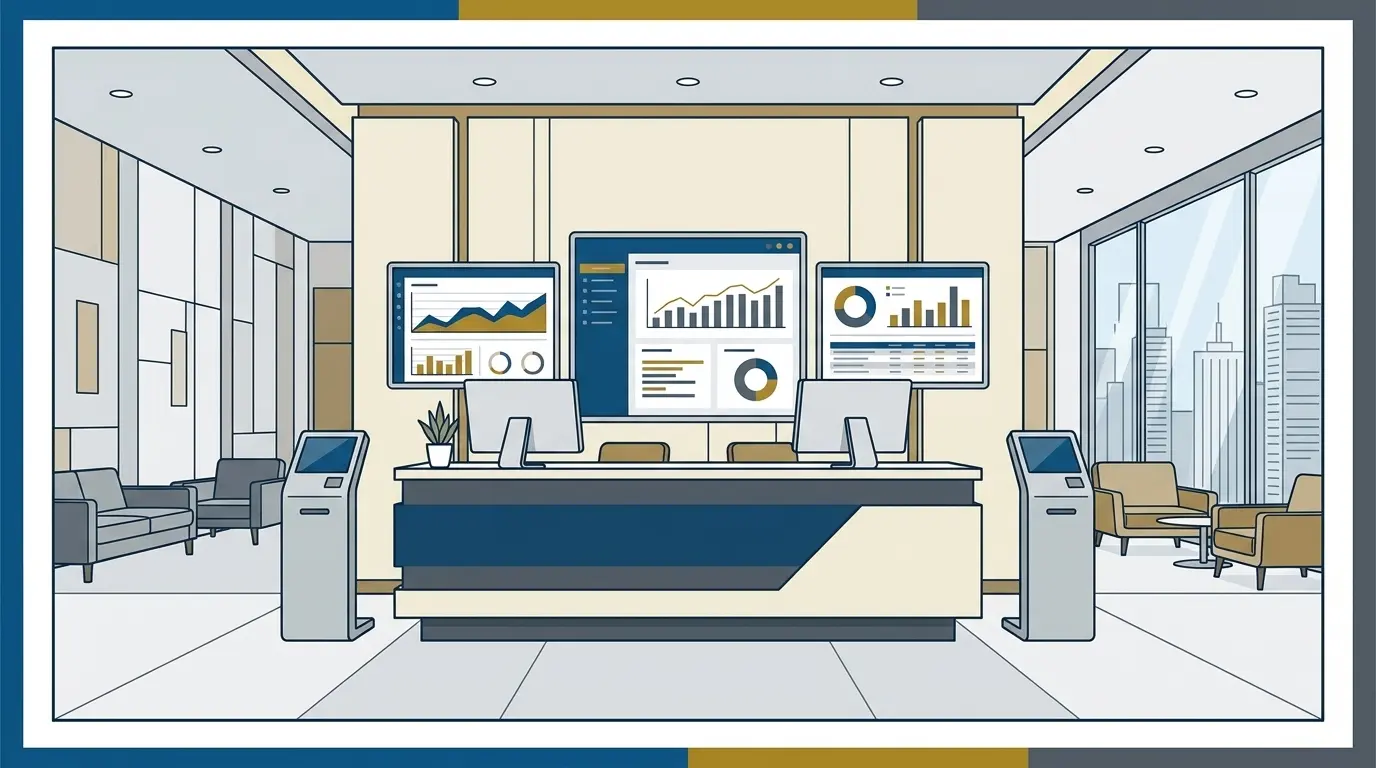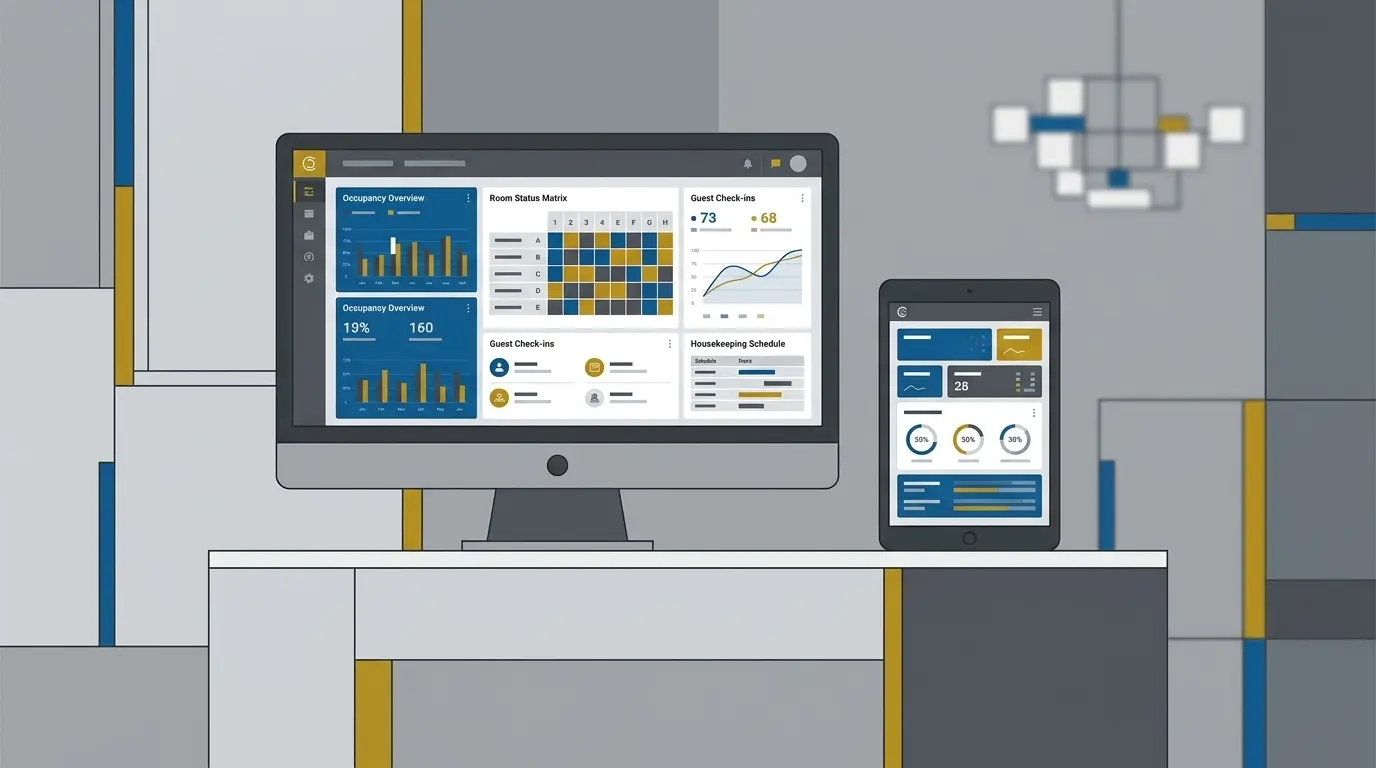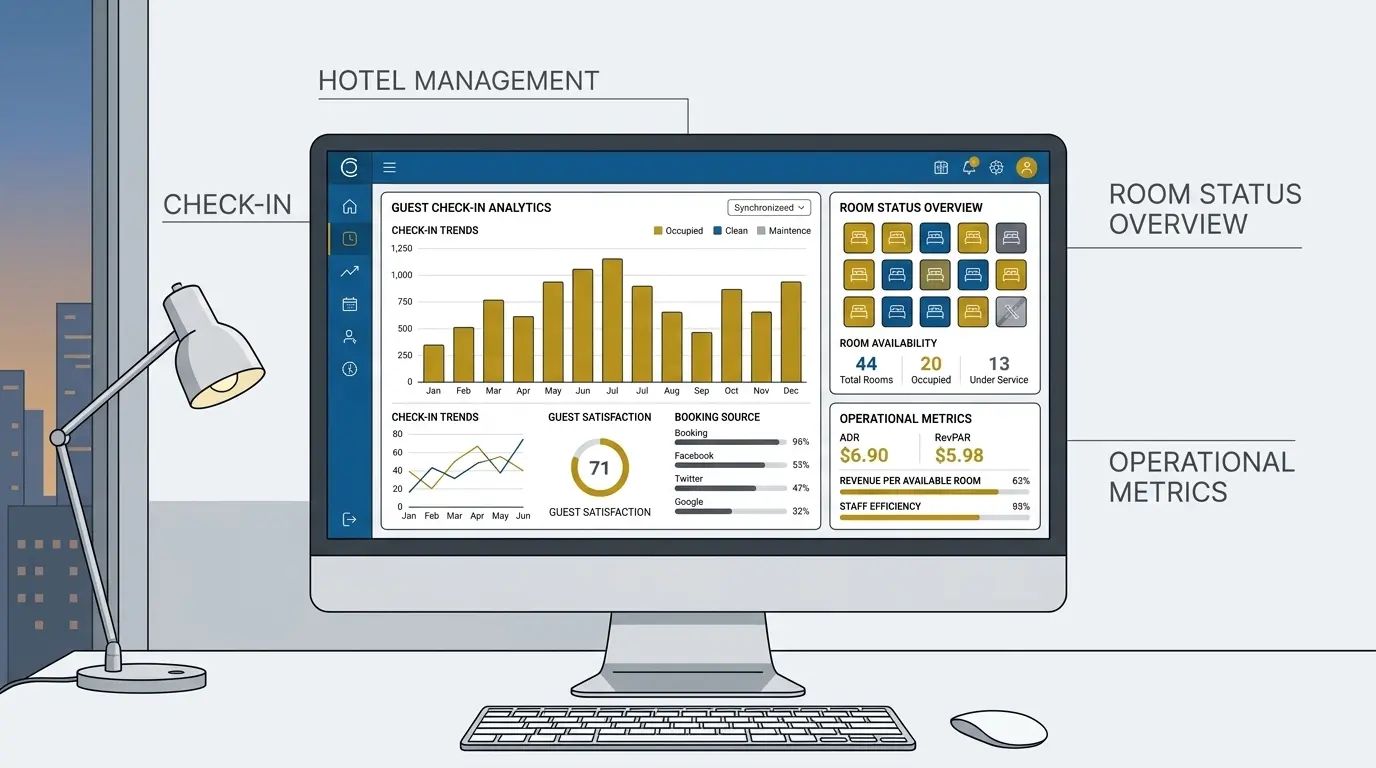

Hotel guest management software development is the engineering of dedicated enterprise digital systems designed to manage, automate, and orchestrate the entire guest lifecycle—from pre-arrival onboarding and mobile check-in to real-time service delivery and post-stay folio settlement. Unlike disconnected commercial tools, custom development integrates proprietary guest databases directly with central property management systems (PMS), payment gateways, and hardware controllers to deliver autonomous, data-driven hospitality operations.
The Hidden Operational Bottlenecks of Off-the-Shelf Hotel Management Platforms
Commercial hospitality SaaS platforms frequently lock accommodation operators into rigid licensing tiers, inflexible feature roadmaps, and recurring operational constraints. For growing boutique properties and mid-sized hotel portfolios, these subscription frameworks introduce prohibitive per-room fees that silently erode operating margins. More critically, generic multi-tenant architectures prevent engineering teams from customising back-office data schemas to match unique on-property standard operating procedures.
Technical friction intensifies across integrations. Most off-the-shelf platforms provide fragile third-party APIs that fail under peak check-in loads, creating rate discrepancies across channel managers and point-of-sale (POS) terminals. Guest identity records remain trapped within vendor silos, preventing hoteliers from accessing unified reservation histories across multi-property portfolios. These systemic data bottlenecks degrade operational responsiveness, inflate front-desk labour costs, and force innovative hospitality brands to seek bespoke software engineering.
Custom Guest Management Engineering: Eliminating Enterprise Constraints
Bespoke engineering replaces fragmented third-party software with owned digital assets built to exact commercial specifications. Deploying a tailored enterprise web application gives leadership complete sovereignty over guest records, transaction margins, and system integration logic. By pairing unified guest data platforms (CDP) with custom business process logic, hoteliers eliminate the manual friction that historically burdened front-desk teams.
Purpose-built systems establish bidirectional data flows between digital touchpoints, housekeeping consoles, and core accounting databases. Rather than adapting operational workflows to fit commercial software limits, engineering teams craft custom automation engines that execute property policies autonomously. Investing in bespoke ERP software development services allows hotel brands to build proprietary operational moats while eliminating lifetime subscription overhead.
Core Engineering Pillars for Scalable Hotel Guest Management Platforms
Constructing a scalable hospitality platform requires addressing fundamental operational friction through rigorous software engineering. Enterprise architectures systematically resolve four core hospitality constraints:
- Friction-Heavy Arrival and Front-Desk Queuing: Check-in bottlenecks delay room access, increase lobby congestion, and inflate desk staffing requirements during peak cycles. Purpose-built contactless check-in modules integrate digital identity verification and mobile key distribution directly into a unified web application, cutting check-in queue volumes by up to 60%.
- Disconnected Guest Preferences Across Properties: Siloed property databases erase returning guest histories, forcing repetitive preference gathering and weakening loyalty retention. Centralising guest data platforms establishes real-time record synchronisation across all properties, lifting lifetime folio values through hyper-personalised service delivery.
- High Third-Party Commission Dependence: Reliance on online travel agencies (OTAs) drains up to 25% of top-line booking margins. Engineering proprietary direct booking engines with dynamic rate-parity algorithms and integrated loyalty checkout workflows recaptures critical booking revenue.
- Inflexible Hardware Ecosystem Integrations: Commercial software vendors restrict properties to certified hardware, causing severe vendor lock-in. Constructing hardware-agnostic IoT middleware layers allows properties to connect smart door locks, climate controllers, and interactive flat panels (IFP) without hardware-replacement overhead.
Architectural Foundations of Bespoke Guest Management Software
High-Throughput Cloud PMS Synchronization
Enterprise platforms require high-throughput database replication to bridge on-premise property systems with cloud repositories. Implementing low-latency distributed event queues prevents double-bookings across concurrent reservation channels during high-occupancy surges.
Role-Based Access Control and Data Compliance
Safeguarding guest identities demands strict role-based access control (RBAC) protocols and rigorous storage encryption standards. Platforms must strictly isolate payment folios, adhering to global data protection benchmarks established by the PCI Security Standards Council.
Agnostic Hardware and IoT Gateway Integration
Modern properties rely on custom IoT gateways that communicate directly with physical infrastructure. Engineering custom hardware drivers enables seamless device pairing across digital room access locks, energy-management sensors, and in-room interactive displays.
High-Impact Functional Modules for Modern Hospitality Operations
Automated Pre-Arrival and Self-Check-in Workflows
Automated pre-arrival engines distribute secure, browser-based digital registration cards via automated triggers. Guests complete digital identity verification before stepping onto the property, allowing staff to reallocate labour toward personalised concierge hosting.
Omnichannel In-Stay Service Request Engines
In-stay communication portals connect guest digital requests directly to mobile service dashboards. Tasks automatically assign to active housekeeping and engineering staff through priority queuing, substantially accelerating service resolution metrics.
Direct Loyalty and Revenue Personalization Engines
Algorithmic upselling engines evaluate guest stay patterns to serve contextual room upgrades, dining reservations, and wellness packages. Automated folio recommendations deliver sustained average daily rate (ADR) increases across properties.
Enterprise Integration and Scalability Ecosystems
Bidirectional Central Reservation System (CRS) Connectors
Direct API connectors integrate the custom management platform with global distribution systems and OTAs. Bidirectional synchronization keeps inventory, dynamic pricing rules, and cancellation policies uniform without incurring manual channel management overhead.
Unified Reporting and Predictive Hospitality Analytics
Centralised reporting business intelligence engines track acquisition metrics, revenue per available room (RevPAR), and departmental operational velocity. Operators access cross-property performance dashboards within a single analytics view.
Multi-Property Portfolio Harmonization
Multi-tenant database structures allow hospitality groups to manage distinct boutique assets through unified central administrative consoles. Property managers reviewing technical engineering partners often evaluate an experienced hotel management software development company India to design scalable cloud infrastructure across diverse portfolios.
Strategic Evaluation: Off-the-Shelf SaaS vs. Bespoke Hotel Guest Management Software
| Strategic Metric | Commercial Off-The-Shelf (SaaS) | Custom Enterprise Development | Business Impact |
|---|---|---|---|
| Licensing & Total Cost of Ownership | Recurring monthly room/user fees plus variable transaction royalties | Single capital engineering investment with full digital asset ownership | Eliminates continuous margin erosion as property inventory expands |
| Architecture & Data Governance | Shared multi-tenant databases with restrictive data export options | Dedicated proprietary database schema under enterprise control | Provides complete guest profile governance and data security compliance |
| Operational Workflow Customization | Rigid feature sets restricted to standard vendor marketplace plugins | Modular microservices tailored directly to internal operational SOPs | Aligns digital infrastructure directly with proprietary brand workflows |
| Hardware Interoperability | Locked to vendor-certified hardware models and proprietary locks | Hardware-agnostic APIs connecting disparate smart locks and IFP units | Prevents forced capital expenditures on hardware replacements |
| Direct Booking Economics | Proprietary checkout engines with platform-level transaction costs | Commission-free custom booking engines with direct payment routing | Recovers booking margins to support sustained RevPAR growth |
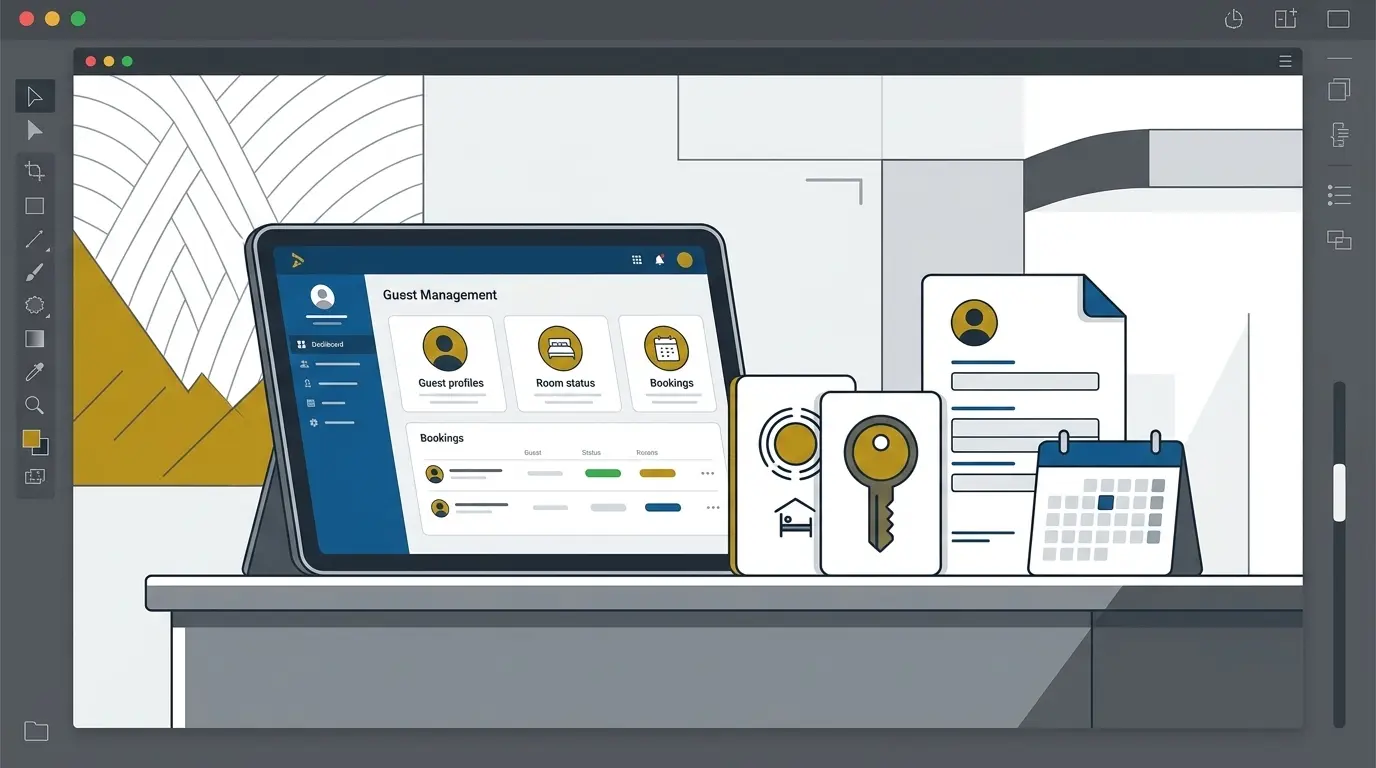
Operational Applications Across Diverse Hospitality Portfolios
Purpose-built hospitality software eliminates distinct operational constraints across varying property operating models:
- Boutique Independent Hotels: Independent operators often juggle fragmented, third-party subscriptions for check-in, messaging, and ticketing. A consolidated bespoke guest platform unifies mobile arrivals, automated concierge itineraries, and digital billing into a single console, reducing front-desk staffing overhead by up to 40% while preserving a high-touch guest journey.
- Multi-Property Resort Chains: Expanding resort brands face severe data fragmentation across regional locations. Deploying an enterprise guest management engine harmonises guest profiles, loyalty benefits, and dining folios across all properties. Cross-property data synchronisation ensures returning guests receive immediate brand recognition regardless of which location they visit.
- Extended-Stay & Serviced Apartments: Serviced residences operate under long-term rental constraints requiring flexible billing engines, automated utility auditing, and scheduled housekeeping routines. Bespoke software engineering delivers self-service resident web portals that handle lease agreements, recurring billing cycles, and keyless access credentials without ongoing administrative friction.
Navigating Architectural Trade-Offs in Custom Hospitality Engineering
Building tailored hospitality platforms involves balancing legacy system modernization against multi-property growth roadmaps. Software leaders must determine whether to deprecate legacy infrastructure completely or build secure middleware layers that interface smoothly with established on-premise hardware. Choosing optimal API structures, database partitioning, and high-security payment workflows requires deep technical assessment before engineering begins. Enterprise founders, operations directors, and technology heads preparing to build custom guest architectures benefit from collaborative technical reviews to map integrations, mitigate data migration risks, and establish precise performance roadmaps.
Strategic Conclusion: Turning Guest Management Infrastructure into Enterprise Value
Modern hospitality enterprises cannot sustain long-term operational excellence on rigid, rented digital infrastructure. Leased SaaS tools impose commercial ceilings that limit operational customization, dilute customer data ownership, and siphon booking margins through perpetual licensing fees. Investing in custom hotel guest management software development converts operational workflows into durable enterprise assets. Tailored digital infrastructure secures proprietary guest data, drives direct booking conversion, and removes administrative bottlenecks across entire property portfolios. Building competitive advantage demands software tailored precisely to operational realities. Let’s make the next big thing together! Connect with our software architects to plan your custom hospitality platform.