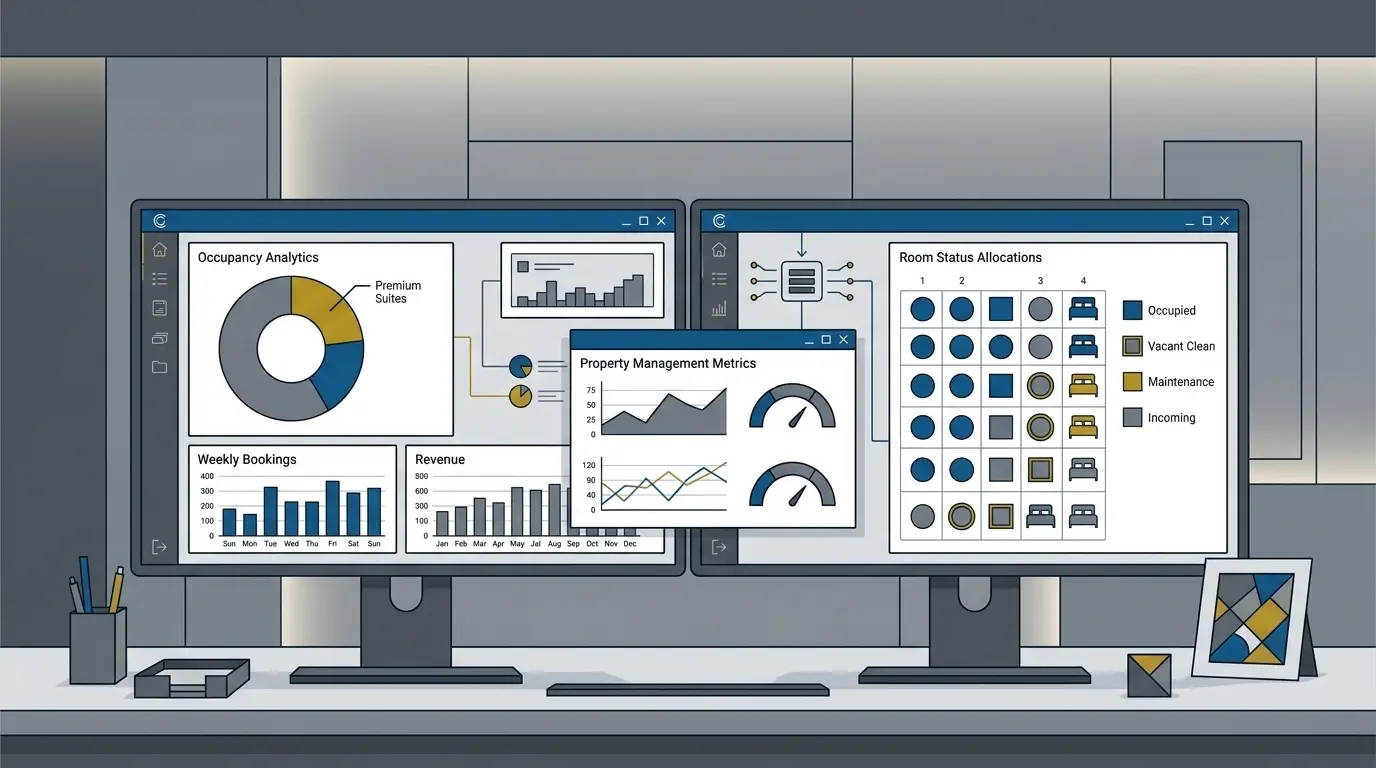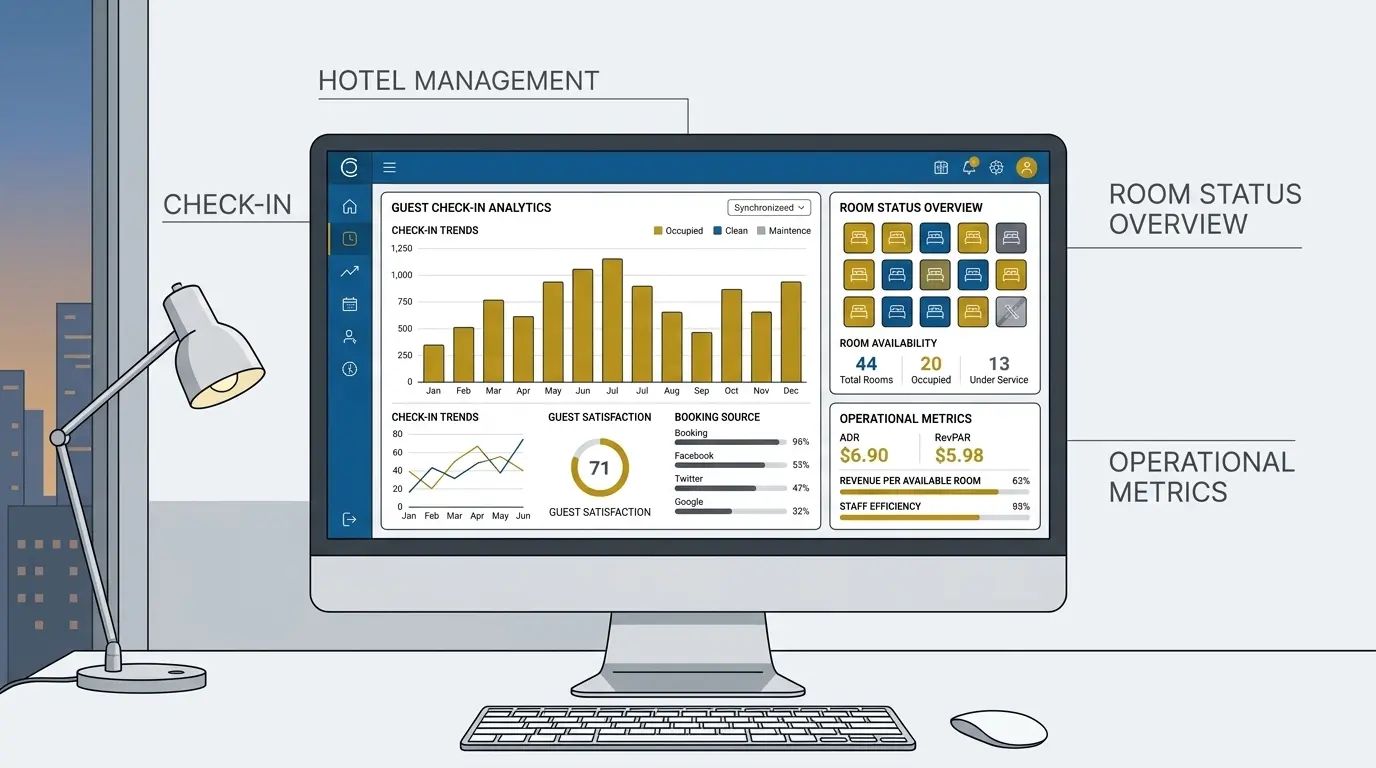

Hotel management software development is the engineering process of building a tailored, centralized digital platform—spanning property management (PMS), central reservations (CRS), revenue automation, and operational workflows—to manage hospitality operations within a single unified infrastructure. Rather than relying on generic subscriptions, custom engineering provides hospitality groups with complete control over guest data, booking channels, front-office logistics, and on-premise hardware integrations.
As hospitality portfolios expand across boutique resorts, urban luxury sites, and serviced apartments in 2026, off-the-shelf tools frequently hit architectural limits. Bespoke hotel management software development replaces disparate third-party modules with scalable backend codebases, eliminating subscription bloat and vendor lock-in while aligning software capabilities directly with enterprise business models.
The Operational Ceiling of Legacy Hospitality Systems
For independent hotel groups and expanding hospitality operators, standard software stacks create operational silos. Disconnected platforms force front-desk teams, housekeeping departments, and revenue managers to reconcile figures manually across fragmented tools. This division increases administrative overhead and introduces synchronization lags between physical room availability and distribution networks.
SME operators face heavy vendor commissions, inflexible subscription tiers, and severe API rate restrictions from legacy providers. Furthermore, pre-packaged tools rarely accommodate tailored on-property hardware, such as Interactive Flat Panels (IFPs), conference room displays, or self-service kiosks. These integration bottlenecks limit automation and prevent automated revenue updates, placing a rigid cap on operational performance.
Eliminating Operational Friction Through Bespoke PMS Architecture
Transitioning to custom software vs SaaS models allows hospitality operators to consolidate their operations into an integrated enterprise system. A custom enterprise web application eliminates operational friction by connecting the central reservation system, front-office tasks, housekeeping queues, and enterprise resource planning under one coordinated database.
Colladome engineers robust platforms using modern cloud frameworks, relational PostgreSQL or high-throughput NoSQL structures, and microservices architectures. By deploying real-time event brokers such as Apache Kafka or Redis, our platforms support bidirectional data synchronization between housekeeping mobile views, smart room hardware, and front-desk dashboards. This architectural foundation ensures high-volume booking intake without transaction delays or database lock conflicts.
Strategic Phases in Engineering Scalable Hotel Software
Engineering enterprise hospitality systems requires addressing operational bottlenecks systematically. Our development methodology targets four critical phases:
- Inventory Distribution Disconnects: Disconnected channel updates create room discrepancies and costly double bookings across external online travel agencies. Custom Solution: We engineer high-throughput two-way XML/JSON interfaces connecting directly to global travel platforms. Operational Outcome: Real-time rate parity, zero overbookings, and total central inventory accuracy.
- Housekeeping and Maintenance Delays: Manual radio calls and paper room manifests slow daily turnover times between guest checkout and check-in. Custom Solution: We implement a mobile-responsive operational interface that updates room readiness instantly upon cleaning validation. Operational Outcome: Approximately 35% faster room turnover cycles with reduced front-desk wait periods.
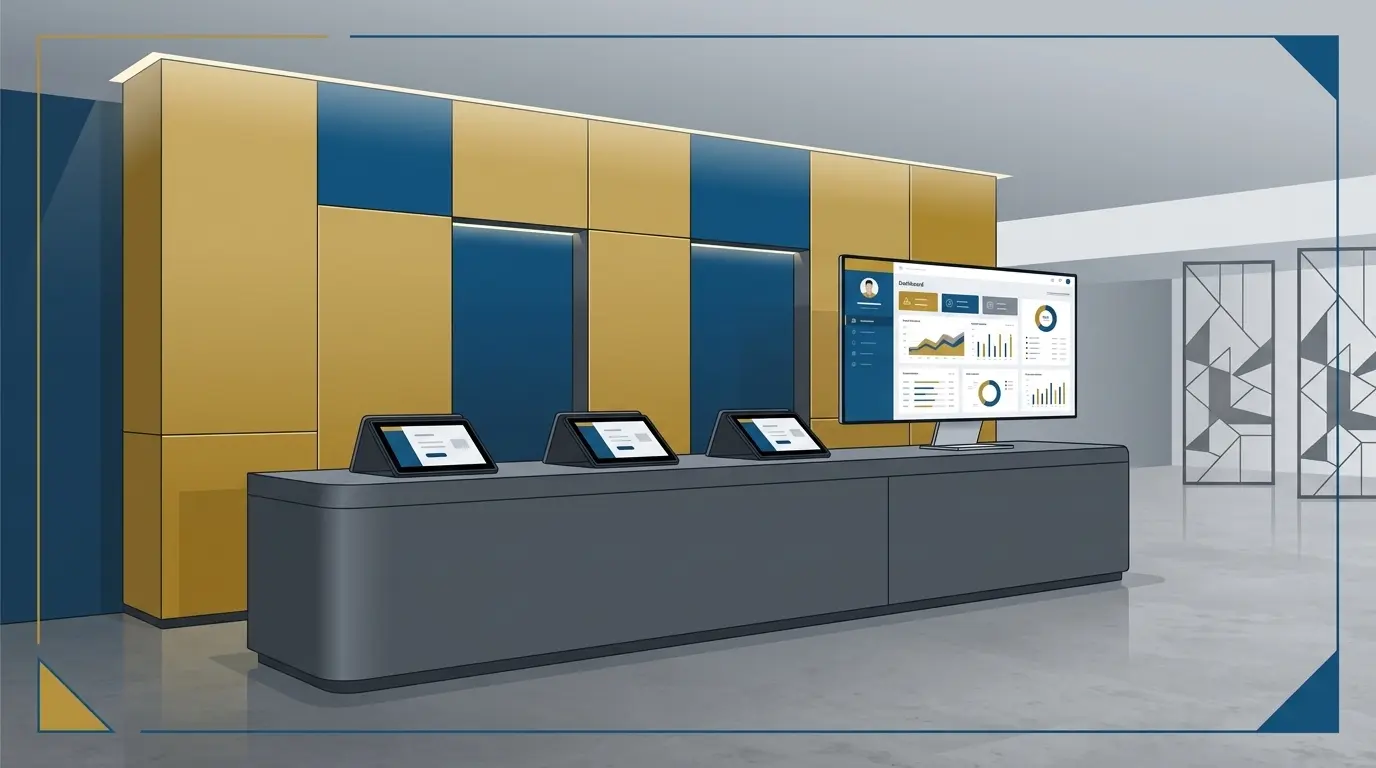
- Front-Desk Check-In Congestion: High-volume arrival spikes overwhelm front-desk staff, causing lobby congestion and delayed room access. Custom Solution: We develop integrated check-in kiosk and lobby interactive display software running low-latency user interfaces. Operational Outcome: Shorter lobby wait times, reduced labor overhead, and streamlined self-service arrivals.
- Rigid Pricing Strategies: Static seasonal pricing schedules leave room rates unaligned with sudden market demand surges. Custom Solution: We build algorithmic dynamic pricing engines powered by internal rules and market occupancy signals. Operational Outcome: Higher Revenue Per Available Room (RevPAR) and consistent average daily rate (ADR) optimization.
Core Architecture for Modern Hotel Management Platforms
Centralized Reservation System (CRS)
A resilient CRS acts as the primary booking gateway across a brand's physical and digital channels. We build direct booking engines featuring atomic transaction locks to eliminate duplicate inventory sales. By embedding localized payment processors, multi-currency engines, and zero-commission transaction flows, operators maximize direct profitability while capturing full guest profiles upfront.
Enterprise Property Management System (PMS)
The core PMS module handles room allocations, guest folio auditing, night audits, and operational task dispatching. The software coordinates front-office administration with financial ledgers, tracking guest lifecycle stages from pre-arrival to checkout. Structured data schemas maintain detailed historical records, allowing operators to oversee multi-property portfolios from a consolidated interface.
Channel Manager and OTA Synchronization
Real-time channel synchronization prevents distribution discrepancies across global OTAs, including Expedia and Booking.com. Our backend engineers implement robust webhook endpoints and scheduled polling microservices to deliver sub-second inventory modifications. This synchronization maintains strict rate parity across regional channels while lowering distribution management overhead.
Operational Modules That Drive Efficiency and Revenue
Housekeeping and Maintenance Automation
Automated room status updates ensure maintenance teams and cleaning crews operate in synchronization. When a guest completes checkout through the web application, the system issues an automated work order to nearby staff devices. Integrated maintenance ticketing logs equipment issues directly to facility teams, reducing unrentable room downtime.
Dynamic Revenue Management Engines
Modern revenue operations require automated pricing adjustments based on real-time market behavior. We build rule-based dynamic engines that evaluate competitor rate feeds, local occupancy benchmarks, and flight volume trends. These algorithms automatically adjust property pricing tiers to capture maximum yield across both high-occupancy and low-demand cycles.
Guest Engagement and Loyalty Platforms
Proprietary guest relationship systems store individual preferences, stay histories, and dietary requirements securely. Integrated modules automate pre-arrival upgrade offers, contactless check-in instructions, and targeted post-stay review requests. Retaining full ownership over customer relationship records lets operators build effective repeat booking campaigns without third-party fees.
Hardware Integration and Technical Scalability
Smart Display and IFP System Integration
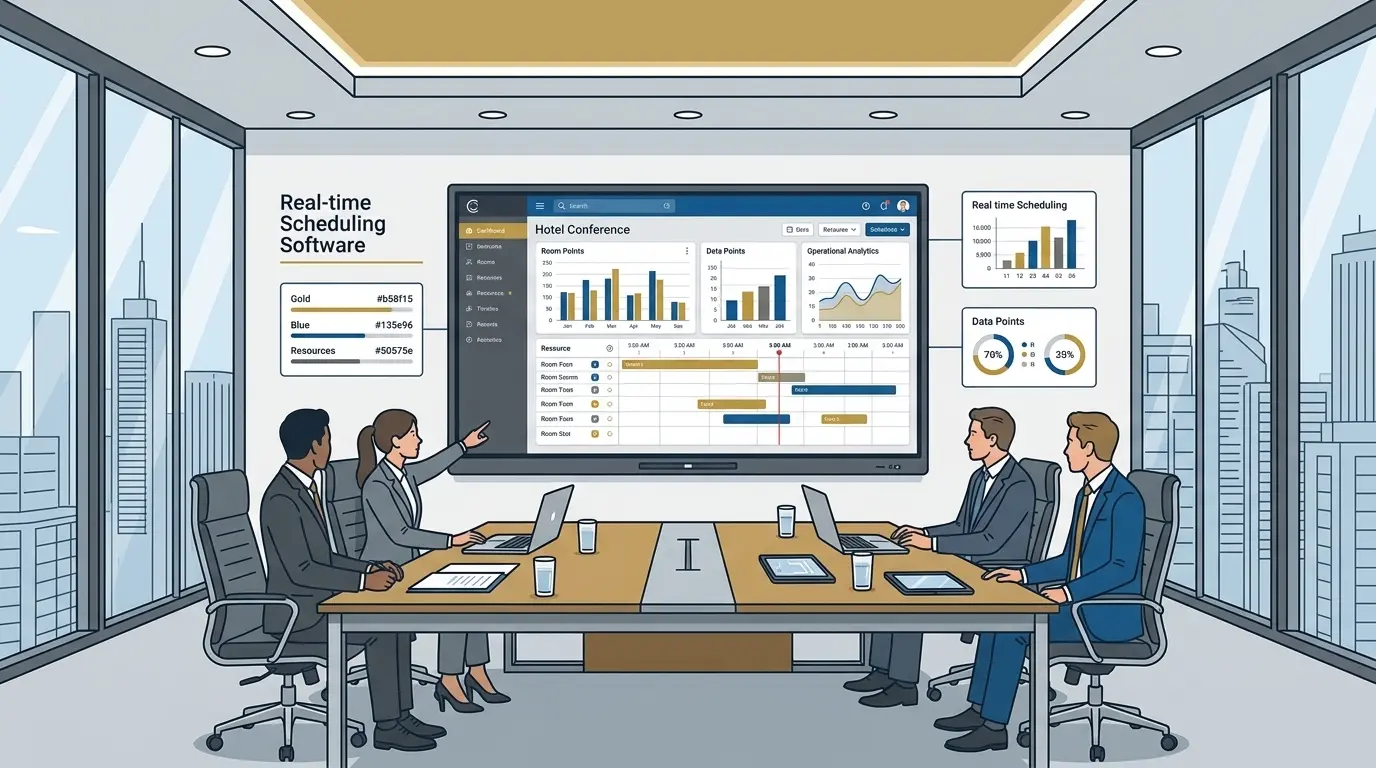
Modern commercial resorts require smooth synchronization between property software and physical display hardware. We design specialized display software for conference room boards, Interactive Flat Panels (IFPs), and lobby wayfinding screens. Our applications use low-latency WebSocket protocols to deliver synchronized meeting agendas, flight updates, and tailored event notices to on-site smart hardware.
Role-Based Access Control and Data Security
Enterprise platforms require stringent access segmentation to protect commercial assets and guest data. We enforce role-based access control (RBAC) across corporate executives, property general managers, front-desk agents, and third-party vendors. Financial records comply with PCI Security Standards guidelines, while all personally identifiable information (PII) is encrypted at rest and in transit.
Custom Enterprise Integration Architecture
Bespoke engineering unifies hospitality operations by integrating front-desk tools, enterprise resource planning, and third-party gateways. For enterprise operators evaluating greenfield builds, our strategic guide on custom hotel management software for hotels details architectural tradeoffs, build-versus-buy considerations, and core implementation strategies.
Commercial Evaluation: Custom Hotel Software vs Off-the-Shelf SaaS Platforms
Selecting between off-the-shelf subscriptions and custom hotel management software development requires evaluating long-term operational efficiency alongside five-year total ownership costs. The table below illustrates the strategic differences for enterprise hospitality brands:
| Strategic Metric | Commercial SaaS Solutions | Custom Enterprise Hotel Software |
|---|---|---|
| Multi-Year Total Cost of Ownership | Recurring monthly charges calculated per room that escalate as property portfolios expand. | One-time software engineering capital asset with zero per-key monthly licensing scale penalties. |
| Feature Customization & Workflows | Rigid standardized workflows that require hotels to adapt their operating procedures to pre-set system constraints. | Tailored software architecture designed around property-specific operational workflows and custom rules. |
| Data Ownership & Governance | Guest data remains stored in shared multi-tenant cloud databases with restrictive batch export capabilities. | Complete enterprise data sovereignty, proprietary database storage, and direct data warehouse connectivity. |
| Hardware & Ecosystem Integration | Restricted strictly to approved hardware vendors, certified card terminals, and partner peripherals. | Direct API integration with self-service kiosks, front-desk IFP screens, smart door locks, and existing ERPs. |
| Channel Commission Dependency | Requires paid third-party channel management add-ons, increasing transaction commission costs. | Fully integrated direct booking engine, custom loyalty tracking, and fee-free channel management code. |
Operational Deployments Across Hospitality Verticals
Custom software engineering provides measurable operational benefits across diverse hospitality models:
Multi-Property Boutique Chains
Boutique hotel groups operating diverse regional properties often struggle with decentralized on-premise servers and inconsistent accounting methods. A unified cloud PMS platform links every location to a centralized management portal. Corporate executives manage cross-property pricing strategies, analyze centralized occupancy records, and reallocate housekeeping resources across properties without maintaining disparate local software systems.
High-End Business & Conference Resorts
Conference resorts require close operational coordination between sleeping room inventory, dining facilities, and meeting spaces. Tailored enterprise software bridges room bookings with Interactive Flat Panel conference software and venue scheduling systems. When a corporate client reserves a conference hall, the platform automates digital door signage, provisions smart board access credentials, and routes audiovisual equipment fees directly to a single corporate folio.
Navigating Architectural Decisions for Hospitality Platforms
Upgrading hospitality technology requires assessing operational realities, system compatibility, and expected direct booking gains before writing software code. Moving away from legacy systems demands careful evaluation of data migration paths, active reservation transfers, and technical staff training requirements. Engaging with an experienced technology partner helps management teams map operational processes, plan high-performance cloud frameworks, and establish measurable performance benchmarks before engineering begins.
Building Sustainable Hospitality Assets Through Custom Engineering
Scalable hotel management software development allows hoteliers to treat operational technology as a strategic, permanent business asset. By developing custom infrastructure, operators eliminate recurring software subscription fees, secure complete ownership of guest intelligence, and remove the operational constraints of pre-packaged platforms. Custom development delivers the control, scalability, and performance required to maintain high service standards across multi-property portfolios. Let's make the next big thing together!