
The Scalability Ceiling: Operational Fragility in Distributed Hospitality Chains
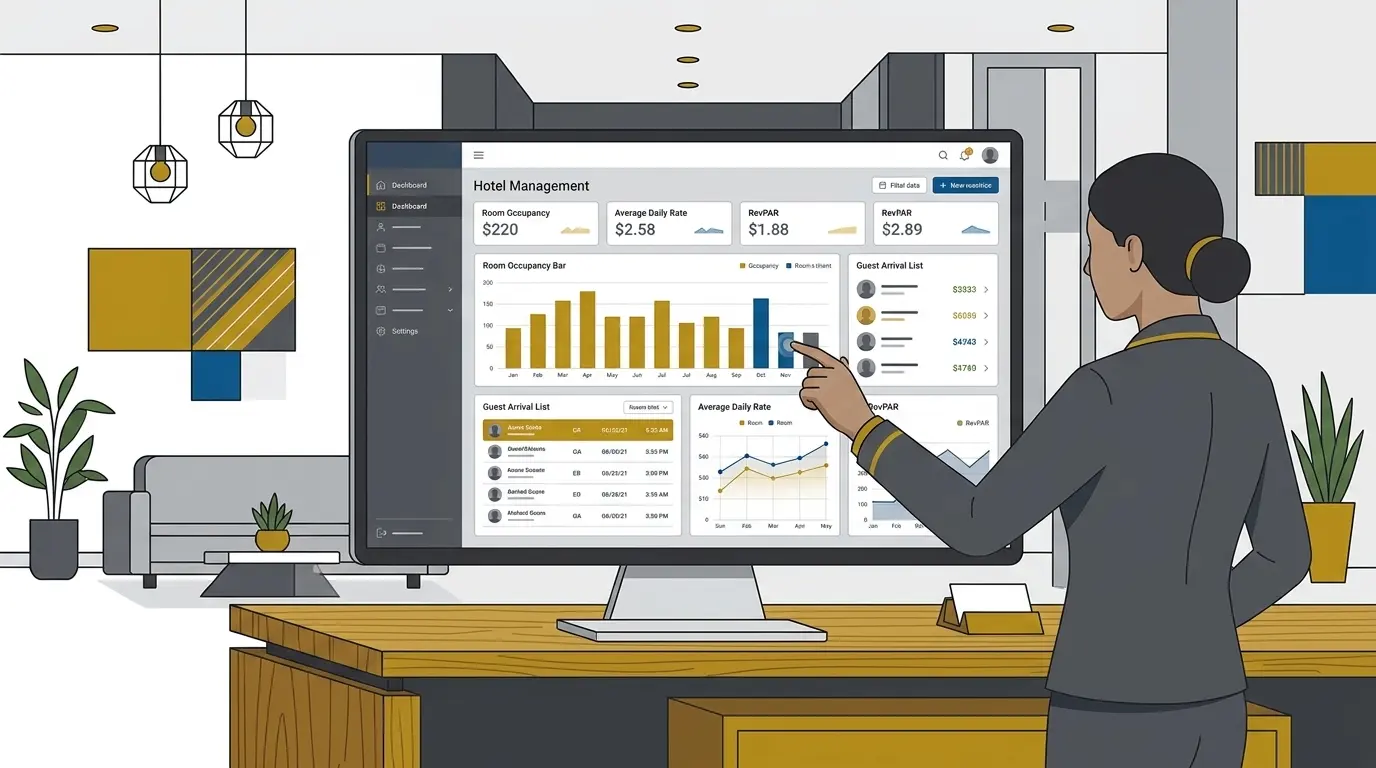
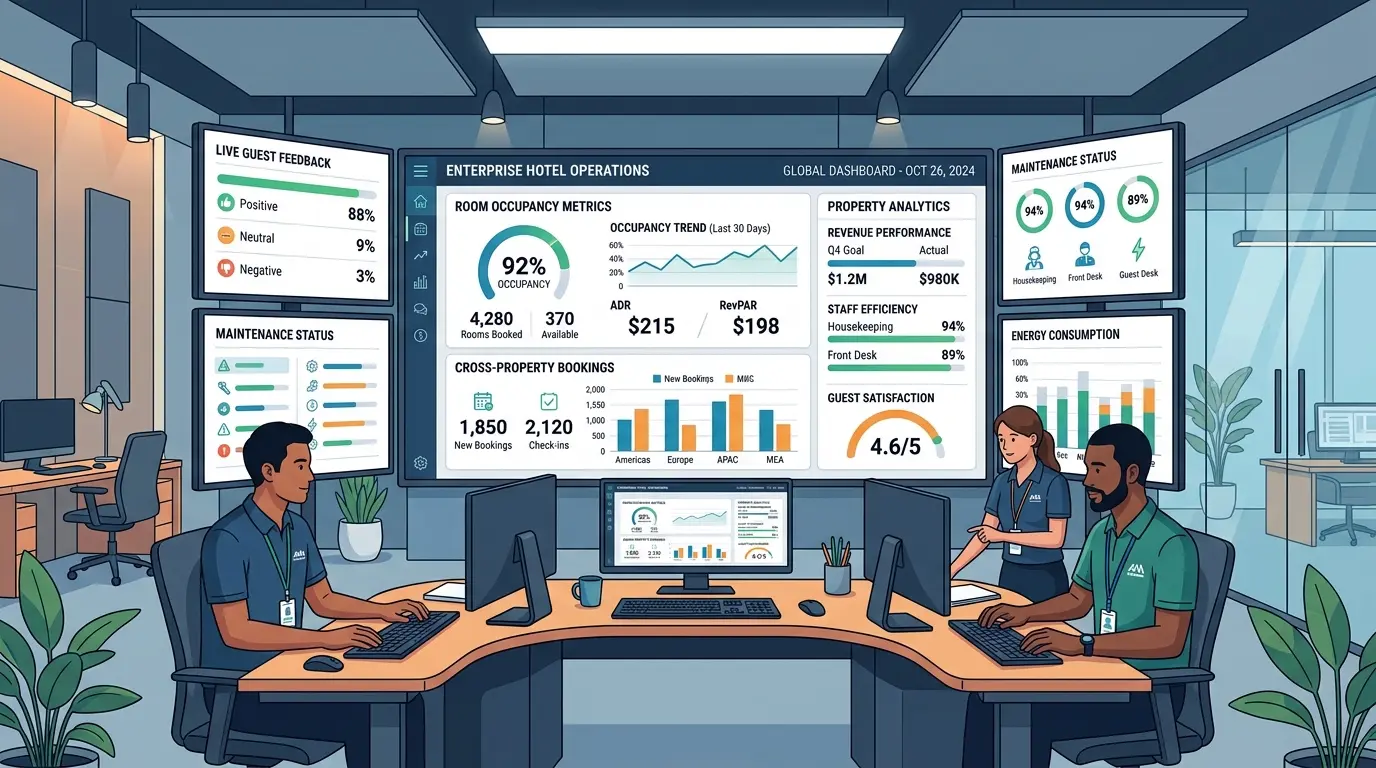
Operating a multi-property hospitality chain using disconnected, single-site property management systems creates operational drag. When regional managers juggle legacy interfaces, cross-property room availability fails to synchronize in real time across the Global Distribution System (GDS) and Online Travel Agencies (OTAs). This lag causes inventory mismatches, double bookings, and price discrepancies across sites. API rate-limiting on third-party tools creates data bottlenecks, leaving front desk personnel unable to verify reservations created at another property minutes earlier.
Operational fragmentation extends to back-of-house execution. Housekeeping schedules across regions remain isolated, forcing regional operations heads to rely on manual spreadsheets and telephone updates. Disconnected accounts result in prolonged month-end reconciliations, while guest profiles remain siloed within individual hotel databases. According to research published by Hospitality Net, operational inefficiencies from fragmented legacy systems drain up to 15% of annual revenue through manual labor overhead and lost repeat bookings. Removing these structural constraints requires moving beyond patched point solutions toward purpose-built software architecture.
Centralized Architecture: Engineered Hotel Automation for Multi-Property Operations
Bespoke hotel automation software development for multi property chains replaces disconnected software with an integrated multi-tenant cloud framework. A centralized data lake manages cross-property room inventory pools, guest loyalty profiles, and unified billing rules across all hotel nodes. Custom microservices handle role-based access control (RBAC), ensuring individual on-ground staff access only their property dashboard while regional executives maintain instant portfolio oversight. For enterprise operators evaluating these structural tradeoffs, analyzing custom hotel automation software vs off the shelf pms clarifies how tailored engineering eliminates costly recurring per-key licensing fees.
By deploying sub-second event synchronization via WebSockets, our custom multi-property PMS software development ensures reservations, guest requests, and housekeeping statuses update portfolio-wide without polling lag. Centralized hotel operations automation solutions enable distributed hotel groups to execute yield strategies across urban locations, resort properties, and extended-stay assets simultaneously.
Core Strategic Pillars of Multi-Unit Hospitality Automation
Deploying automated workflows across a distributed footprint requires targeted engineering interventions across four mission-critical operational pillars:
- Cross-Property Dynamic Rate Optimization: Static pricing models cause revenue leaks during regional demand spikes. The solution integrates an algorithmic yield engine ingesting local comp-set data across all properties, delivering a measured 12% to 18% RevPAR uplift across chains.
- Unified Workforce and Housekeeping Dispatch: Manual task handoffs across properties lead to idle staff hours and delayed check-ins. By deploying automated event triggers to mobile devices, chains achieve a 35% faster room turnaround cycle.
- Centralized Guest Profile and Loyalty Synchronization: Fragmented guest histories prevent brand-level personalization. Consolidating records into a multi-chain database allows instant recognition at any brand property, increasing lifetime value and guest retention.
- Automated Financial Consolidation: Managing multi-entity tax structures and local currencies causes multi-week reconciliation delays. Automated ledger orchestration consolidates regional sub-ledgers into a master balance sheet, reducing the month-end close to under 24 hours.
Engineering Operational Efficiency Across Distributed Hospitality Portfolios
Automated Room Inventory Synchronization Across Channels
Real-time API middleware acts as the transactional shield between properties and external booking engines. The system instantly pools available room allocations across multiple properties, distributing updates via two-way WebSockets to prevent overbooking and protect direct revenue margins across high-occupancy cycles.
Mobile Housekeeping Dispatch and Maintenance Routing
Event-driven microservices dispatch room cleaning tasks directly to mobile teams the moment a guest checks out. Eliminating manual front desk phone calls cuts idle room downtime by over 30 minutes per turn, enabling earlier check-in windows and smoother front-office operations across busy regional hubs.
Predictive Maintenance Workflows for Heavy Equipment
Integrating telemetry from IoT sensors placed on critical assets—such as HVAC machinery and commercial boilers—enables automated fault detection. Automated maintenance tickets generate before complete equipment failures occur, cutting emergency engineering expenses by up to 25% across distributed resort operations.
Centralized Revenue Governance and Multi-Tenant Financial Controls
Algorithmic Multi-Property Dynamic Pricing Engines
Centralized yield engines compute demand surges, local competitor pricing, and regional events across cities simultaneously. Rates update across channels automatically to enforce strict price parity rules and capture high-margin direct bookings, eliminating manual rate adjustments by local property managers.
Unified Multi-Entity Accounting and Billing Automation
Managing several business entities requires complex tax handling and multi-currency reconciliations. A custom financial pipeline automates multi-entity ledger balancing, processing regional sales and occupancy taxes directly to compress month-end accounting cycles from weeks into hours.
Cross-Property Loyalty and Direct Booking Systems
A unified loyalty database maintains guest preferences across every branch. Guests receive tailored perks and automated redemption workflows, empowering operators to capture more repeat business directly through their own channels and bypass standard 15% to 25% third-party distribution commissions.
Architectural Standards for Enterprise Hotel Software Development
Microservices-Based Scalability and High Availability
Decoupling operational engines into containerized cloud microservices guarantees fault isolation. If a local point-of-sale service experiences downtime at one property, reservation processing, keyless door entry, and housekeeping systems continue running unaffected across the remaining properties in the network.
Granular Role-Based Access Control
Centralized operations require enterprise security governance. Multi-tenant RBAC protocols ensure local property supervisors access only their unit schedules and room status, while chain executives access aggregated portfolio reports, corporate accounts, and cross-property financial auditing controls.
Hardware-Software Protocol Integration
Custom engineering bridges digital cloud applications with on-premise hardware. Unified IoT protocols and API layers connect seamlessly with RFID keyless door systems, interactive flat panel (IFP) smart displays in conference facilities, and digital guest tablets across all property rooms.
Architectural Comparison: Custom Multi-Property Automation vs. Off-the-Shelf SaaS Solutions
Hospitality executives must weigh technical architecture, long-term costs, and data control when selecting software foundations. The comparison matrix below details the structural tradeoffs across current technology models:
| Evaluation Vector | Legacy Multi-PMS Stacks | Off-the-Shelf Enterprise SaaS | Custom Multi-Property Automation |
|---|---|---|---|
| Architecture & Multi-Tenancy | Isolated silos with manual data sync | Monolithic shared multi-tenant cloud | Dedicated multi-tenant cloud microservices |
| Total Cost of Ownership (TCO) | High legacy maintenance contracts | Escalating per-room recurring monthly fees | Fixed engineering capital asset with zero per-key fees |
| Custom Hardware & IFP Integration | Restricted proprietary serial protocols | Limited app store connectors | Native API integration for IoT, door locks, and IFP hardware |
| Data Synchronization Latency | Batch transfers (1 to 6-hour polling) | Periodic polling (15 to 60 seconds) | Sub-second real-time event updates via WebSockets |
| Customization of Workflows | Rigid, unalterable desktop legacy forms | Restricted UI fields and preset triggers | Fully bespoke business workflows and automated routing |
Engineering a tailored software stack converts property management infrastructure from an escalating operational tax into an appreciating capital asset, giving growing multi-property chains complete ownership of their data pipelines and workflows.
Real-World Deployment Scenarios: Transforming Multi-Property Operations
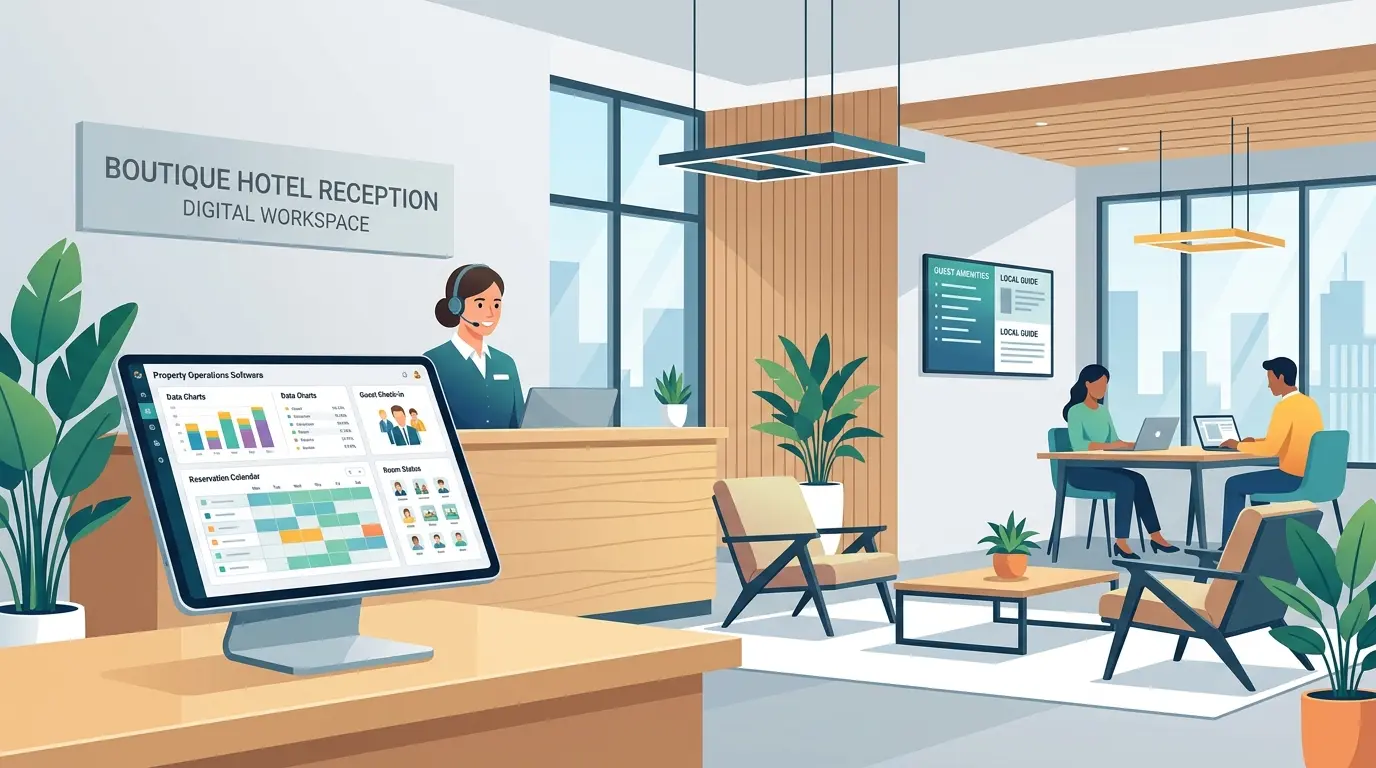
Operational automation delivers quantifiable gains across varying hospitality chain footprints. Consider a regional boutique collection managing 12 independent properties across three districts. Disjointed operational platforms and siloed procurement created a 22% administrative waste ratio across their portfolio. By deploying bespoke centralized hotel operations automation solutions with integrated room inventory pooling and automated housekeeping dispatch, the brand reduced central administrative headcount by 30%. Inbound guest reservation response times dropped from 15 minutes to under 60 seconds across all 12 properties.
Similarly, a distributed extended-stay chain consisting of 35 properties faced profit margin leakage due to manual utility meter recording and disconnected guest loyalty systems. Implementing cloud-based multi-hotel management software development unified utility tracking IoT devices with algorithmic yield management engines. This consolidated architecture produced a 14% improvement in average gross operating profit per available room (GOPPAR) within the initial six months of operation, demonstrating how custom multi-chain hotel workflow automation tools eliminate operational waste.
Strategic Evaluation: Determining Multi-Property Technical Readiness
Hospitality leaders must evaluate when portfolio expansion justifies custom engineering over recurring subscription packages. Critical indicators include subscription costs outstripping custom build amortization, regional expansion stalling because third-party software cannot support local tax or hardware protocols, and unique brand guest journeys being constrained by standard SaaS templates. For leadership teams navigating these architectural inflection points, booking an expert hotel automation software development consultation provides clear architectural roadmaps, milestone planning, and precise return-on-investment projections.
Capitalizing on Custom Multi-Property Hotel Automation
Managing modern multi-unit hotel portfolios demands scalable digital infrastructure that removes administrative friction, safeguards operating margins, and maximizes asset value. Custom hotel automation software development for multi property chains enables enterprise hospitality management system developers to build resilient, multi-tenant platforms without perpetual per-room software subscription taxes. When technology aligns directly with operational strategy, hospitality groups scale portfolios without multiplying operational headaches. Let’s make the next big thing together!