
Mobile applications have transformed how businesses connect with customers, manage operations, and deliver digital services. With the growing use of smartphones, companies are investing in mobile app development to improve customer engagement and create new business opportunities.
Apple’s iOS platform is one of the popular choices for businesses that want to develop high-quality mobile applications. iOS applications are designed for Apple devices, including iPhones and iPads, and can support different business requirements.
But what is iOS app development? What technologies are used to create iOS applications? How much does development cost, and how can businesses choose the right development company?
This guide explains everything you need to know about iOS app development, including its benefits, development process, technologies, and important considerations.
What Is iOS App Development?
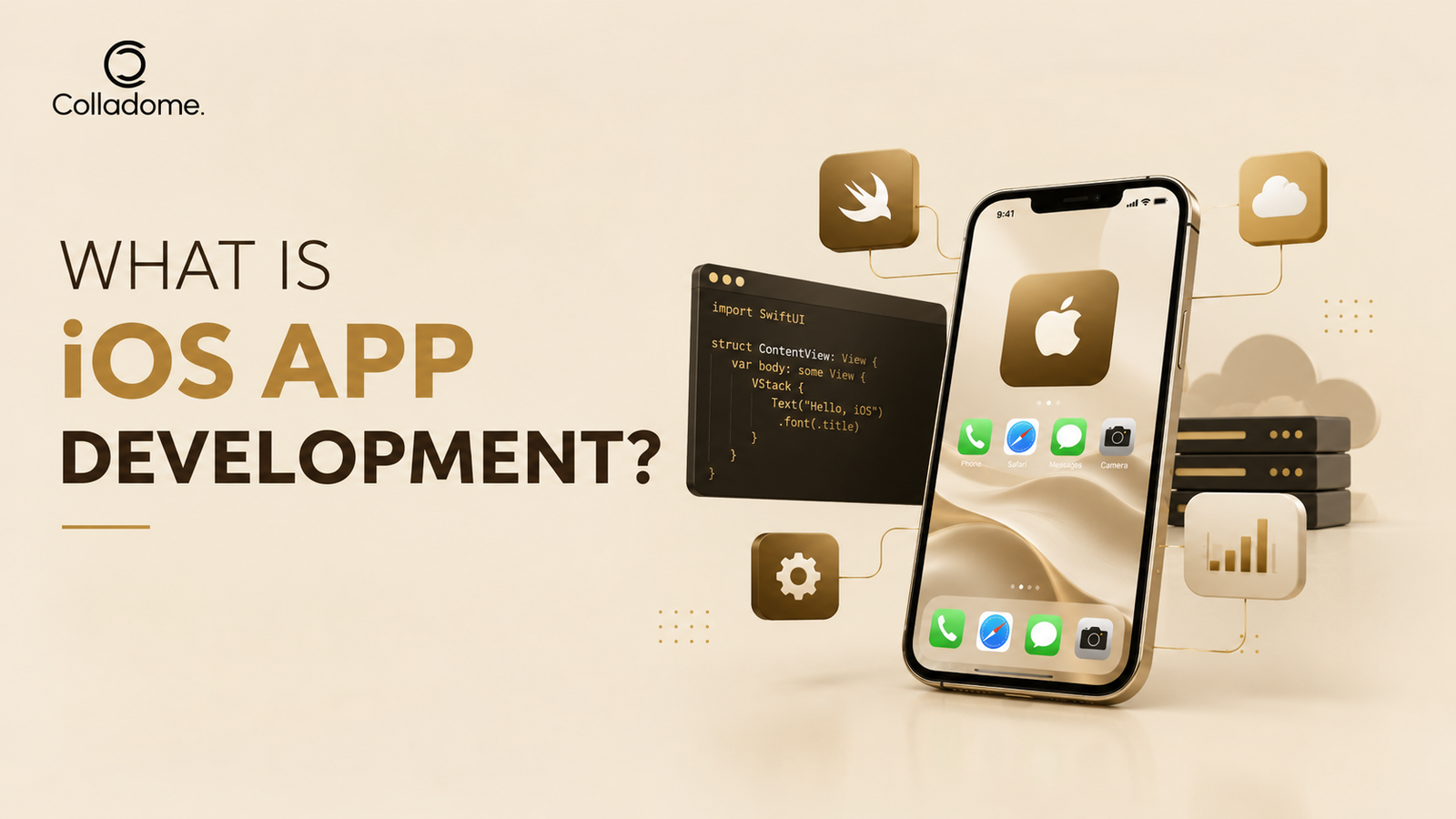
iOS app development is the process of designing, developing, testing, and maintaining mobile applications for Apple’s operating systems. These applications are mainly developed for iPhones and iPads.
Developers use programming languages such as Swift and Objective-C, along with Apple’s development tools and frameworks, to build iOS applications.
Businesses can develop iOS apps for different purposes, including:
- E-commerce and shopping
- Healthcare and fitness
- Banking and finance
- Education
- Entertainment
- Travel and hospitality
- Business management
- Social networking
- On-demand services
An iOS application can be simple, such as an information-based app, or advanced, with features such as artificial intelligence, payment gateways, cloud integration, and real-time communication.
Why Is iOS App Development Important?
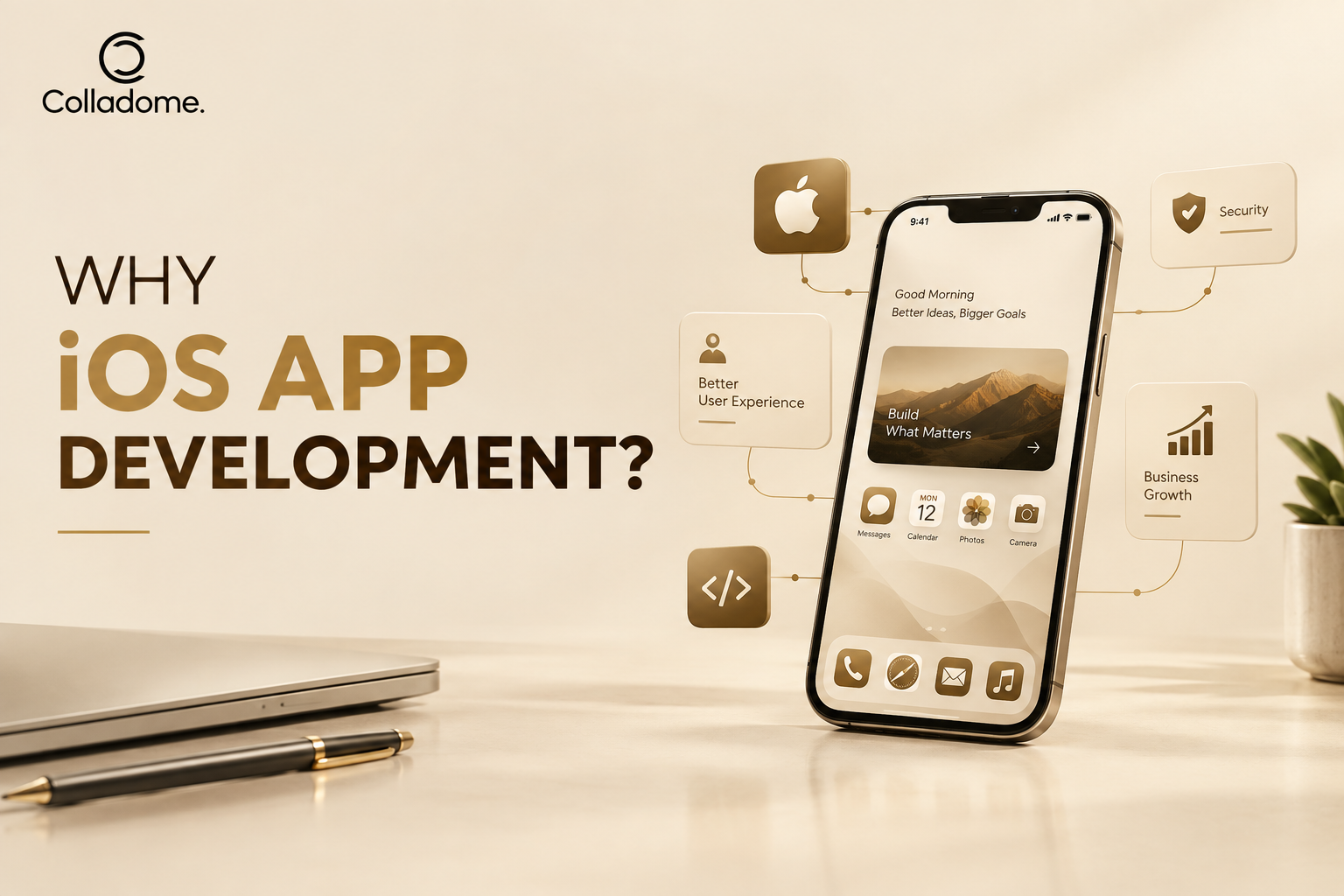
Businesses choose iOS app development to reach Apple users and provide a reliable mobile experience. A professionally developed application can support customer engagement, brand visibility, and operational efficiency.
1. Access to a Dedicated User Base
iOS applications allow businesses to reach customers who use Apple devices. Companies can develop mobile experiences that are specifically designed for the iOS ecosystem.
2. Enhanced User Experience
iOS development focuses on intuitive navigation, consistent design, and usability. Developers can create applications that are easy to navigate and aligned with Apple’s interface guidelines.
3. Strong Security Features
iOS provides platform-level security capabilities. However, developers must also implement secure authentication, data protection, and safe API integrations to protect user information.
4. Improved Customer Engagement
Mobile applications help businesses communicate with customers through notifications, personalized content, loyalty features, and in-app services.
5. Business Growth Opportunities
Businesses can use iOS applications to promote products, offer subscriptions, provide digital services, and improve customer retention.
Key Technologies Used in iOS App Development
Choosing the right technology stack is important for building a scalable and high-performing iOS application.
| Technology | Purpose |
| Swift | Modern programming language for iOS development |
| Objective-C | Programming language used in existing Apple applications |
| Xcode | Development environment for Apple applications |
| SwiftUI | Framework for building user interfaces |
| UIKit | Framework for developing traditional iOS interfaces |
| Core Data | Data management and storage |
| XCTest | Application testing |
| CloudKit | Cloud-based services for supported use cases |
Swift
Swift is a programming language developed by Apple. It is widely used for modern iOS application development because it supports performance, safety, and efficient coding practices.
SwiftUI
SwiftUI is a framework that helps developers create user interfaces using a declarative approach. It can simplify interface development across supported Apple platforms.
Xcode
Xcode is Apple’s integrated development environment. Developers use it to write code, design interfaces, test applications, identify errors, and prepare apps for distribution.
Types of iOS Applications
Businesses can choose different development approaches based on their application requirements.
Native iOS Applications
Native iOS apps are developed specifically for Apple’s platforms using technologies such as Swift, SwiftUI, and UIKit.
Advantages include:
- Access to iOS-specific features
- Platform-focused performance
- Better integration with Apple technologies
- Greater control over the user experience
Cross-Platform Applications
Cross-platform applications use frameworks that allow developers to share code between iOS and other platforms.
Popular frameworks include:
- Flutter
- React Native
- .NET MAUI
Cross-platform development may reduce duplicated development work. However, the choice depends on the application’s features, performance needs, and platform-specific requirements.
Enterprise iOS Applications
Enterprise iOS apps are designed for internal business operations. They can help employees manage tasks, access information, track inventory, and communicate with teams.
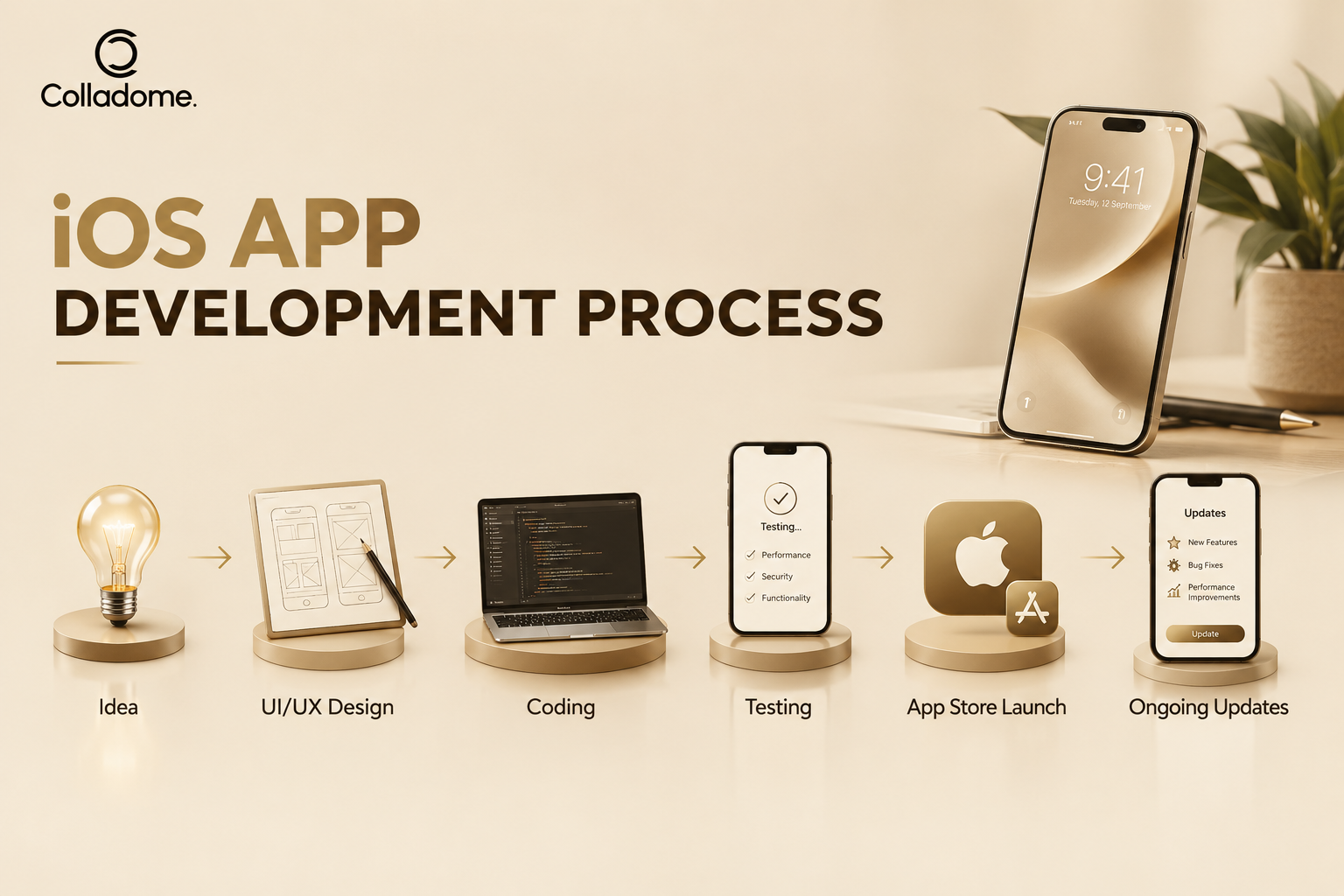
iOS App Development Process
A structured development process helps ensure that an application meets business and user expectations.
1. Requirement Analysis
The development team first identifies the application’s goals, target audience, features, and technical requirements.
This stage may include:
- Business objectives
- Target users
- Required features
- Budget
- Development timeline
- Third-party integrations
- Security requirements
Clear requirements help establish project scope and reduce unexpected changes.
2. UI/UX Design
The design stage focuses on creating an attractive and user-friendly interface. Designers develop wireframes, prototypes, and application screens.
Important design elements include:
- Simple navigation
- Consistent layouts
- Clear buttons and calls to action
- Accessibility
- Responsive screen designs
- Easy-to-understand user flows
3. Application Development
Developers build the frontend and backend components of the application.
Frontend development focuses on the screens and interactions visible to users. Backend development may include databases, APIs, authentication, and business logic.
Common features include:
- User registration
- Login and authentication
- Push notifications
- Payment integration
- Search functionality
- User profiles
- Chat and messaging
- Location-based services
4. Testing
Testing helps identify technical problems before the application is released.
The testing process may include:
- Functional testing
- Performance testing
- Security testing
- UI testing
- Device compatibility testing
- Usability testing
- Regression testing
Testing should cover relevant devices and supported iOS versions.
5. App Store Submission
Once development and testing are completed, the application can be prepared for submission to the Apple App Store.
The development team must follow Apple’s applicable submission and review requirements. App approval depends on compliance with the relevant guidelines.
6. Maintenance and Updates
After launch, the application may require ongoing updates. Maintenance helps address bugs, improve performance, support new operating system versions, and introduce additional features.
Benefits of iOS App Development Services
Working with a professional iOS app development company can help businesses manage technical challenges and build customized applications.
Customized Application Features
Professional developers can build features based on the company’s specific business model and customer requirements.
Technical Expertise
Development teams can provide expertise in Swift, APIs, databases, cloud services, testing, and application architecture.
Better Security
Experienced developers can implement appropriate security practices, including authentication, authorization, and secure data handling.
Scalable Development
A well-planned architecture can support future features, integrations, and increasing application usage.
Post-Launch Support
Professional iOS app development services may include application maintenance, bug fixes, updates, and performance improvements.
How to Choose an iOS App Development Company in India
Choosing the right iOS app development company in India requires careful evaluation. Businesses should consider the following factors before selecting a development partner.
1. Portfolio and Experience
Review previous projects to understand the company’s experience with similar applications and industries.
2. Technical Skills
Check whether the team has experience with Swift, SwiftUI, UIKit, APIs, cloud platforms, and testing tools.
3. Communication
Clear communication helps businesses share feedback, track progress, and manage project requirements.
4. Security Practices
Discuss data security, user authentication, access control, API protection, and privacy requirements.
5. Development Process
A reliable company should follow a structured process that includes planning, design, development, testing, and deployment.
6. Maintenance Support
Ask whether the company offers post-launch maintenance and support for future updates.
7. Pricing Transparency
Request a detailed proposal covering project scope, estimated timeline, deliverables, and development costs.
Why Hire iOS App Development Developers?
Businesses can hire iOS app development developers for individual projects, long-term product development, or ongoing application maintenance.
| Hiring Model | Suitable For |
| In-house developers | Businesses building an internal technology team |
| Freelancers | Small projects or specific development tasks |
| Development companies | Complete application development |
| Dedicated teams | Long-term and continuously evolving projects |
Before hiring developers, define the required skills, project responsibilities, and expected deliverables. Depending on the application, you may need iOS developers, backend developers, UI/UX designers, QA engineers, and project managers.
How Much Does iOS App Development Cost?
The cost of iOS app development depends on the project’s complexity and requirements. A basic application generally requires fewer resources than a complex app with advanced functionality.
Factors that influence development costs include:
- Number of features
- Application complexity
- UI/UX design
- Backend development
- API integrations
- Payment gateway integration
- Security requirements
- Developer experience
- Testing requirements
- Maintenance and support
| Application Type | Complexity |
| Basic information app | Low |
| Business application | Low to medium |
| E-commerce app | Medium to high |
| On-demand service app | Medium to high |
| Enterprise app | Depends on requirements |
| FinTech application | High, depending on features and compliance needs |
An accurate cost estimate requires detailed project analysis. Businesses should evaluate quality, experience, security, and long-term support instead of considering only the initial price.
Common Challenges in iOS App Development
Although iOS app development offers several advantages, businesses should plan for potential challenges.
Device Compatibility
Applications must be tested on supported devices and operating system versions to maintain a consistent user experience.
App Store Guidelines
Applications must follow Apple’s applicable guidelines and technical requirements before distribution.
Data Security
Apps handling personal or financial information require secure architecture and appropriate data protection measures.
Performance Optimization
Developers should monitor loading speed, memory usage, network requests, and battery consumption.
Ongoing Updates
Operating system updates and changing customer expectations may require continuous application improvements.
Future Trends in iOS App Development
Technology continues to influence how mobile applications are developed and used. Some emerging areas include:
Artificial Intelligence
AI can support personalized recommendations, intelligent search, chatbots, and automation features.
Augmented Reality
AR features can be used for product visualization, education, gaming, and interactive experiences.
Wearable Integration
Applications can connect with supported Apple wearable devices for fitness, productivity, and notification-based features.
Cloud Integration
Cloud technologies help applications manage data, authentication, synchronization, and backend services.
Voice-Based Features
Voice functionality can improve accessibility and provide alternative ways for users to interact with applications.
Businesses should evaluate these technologies according to their actual requirements, budget, security needs, and target audience.