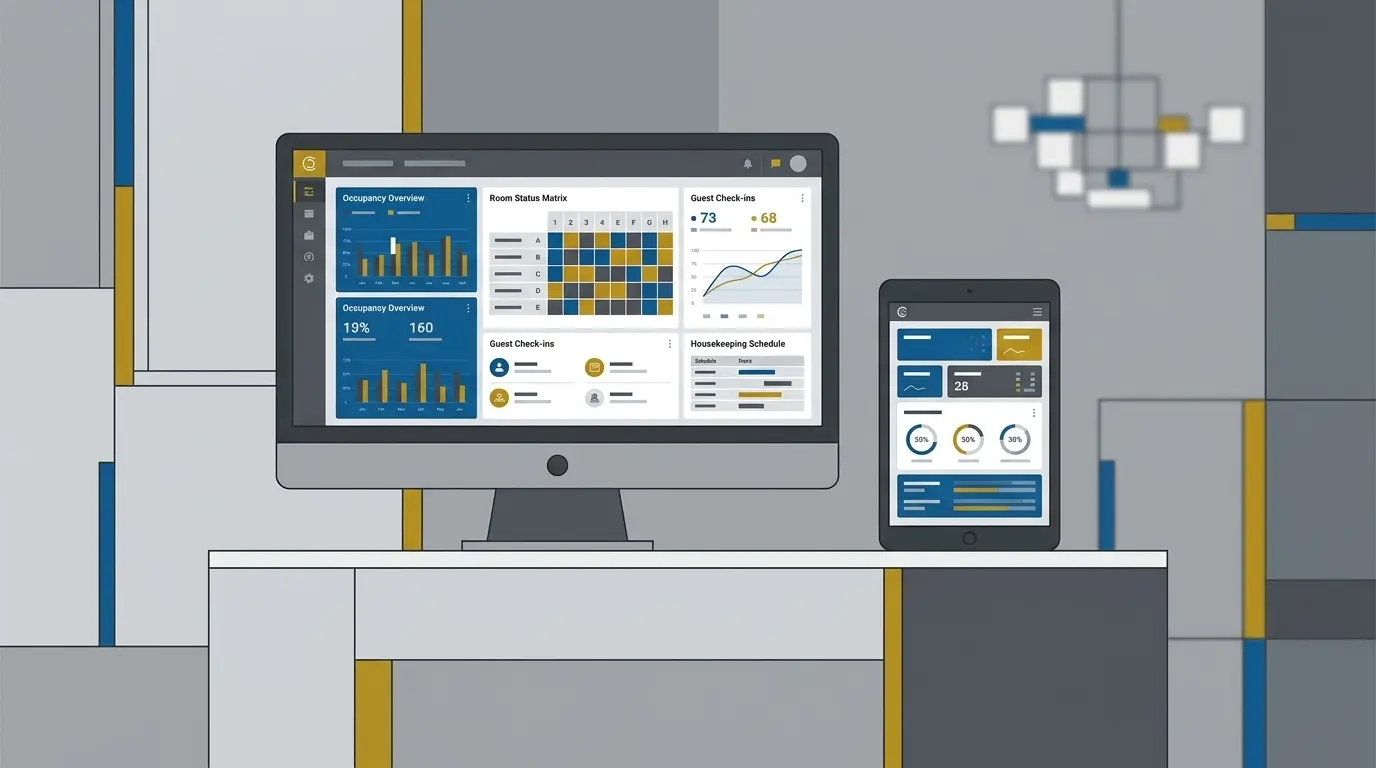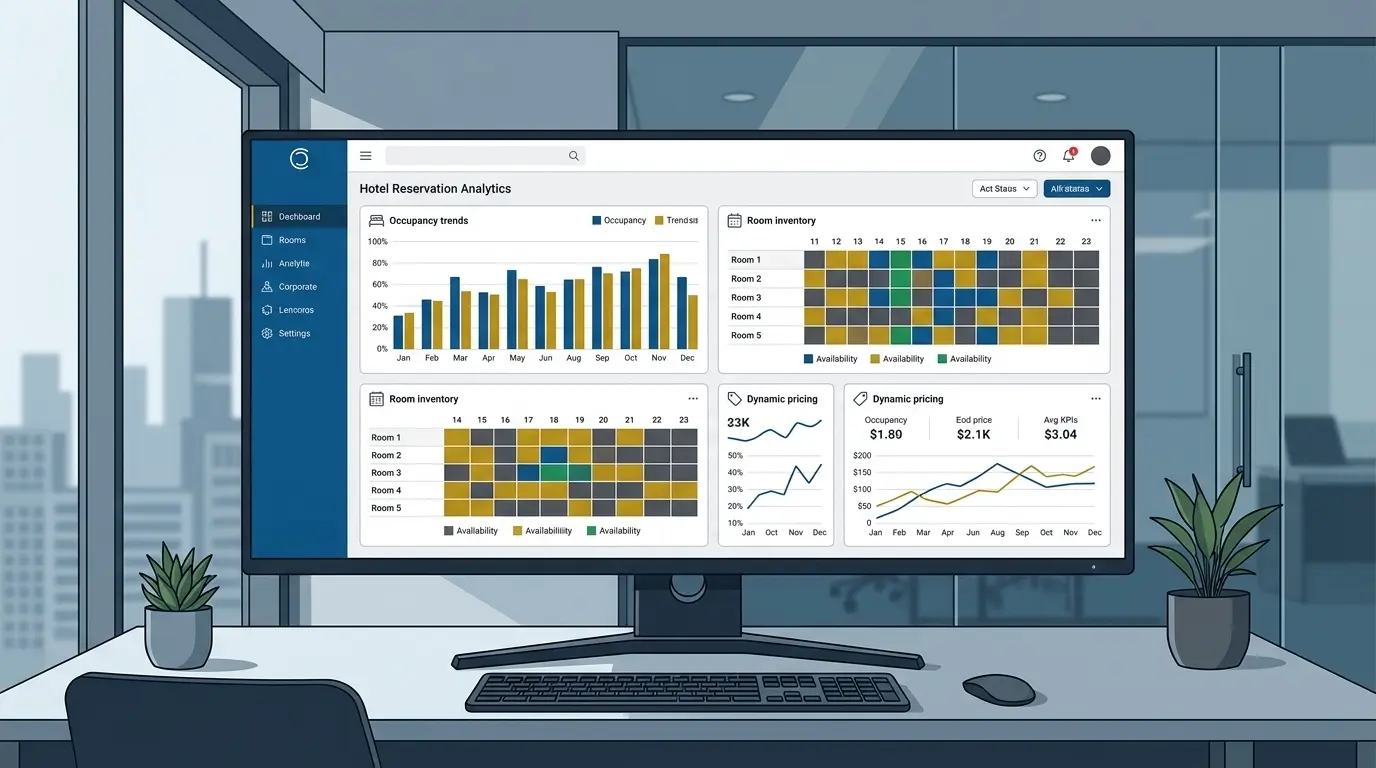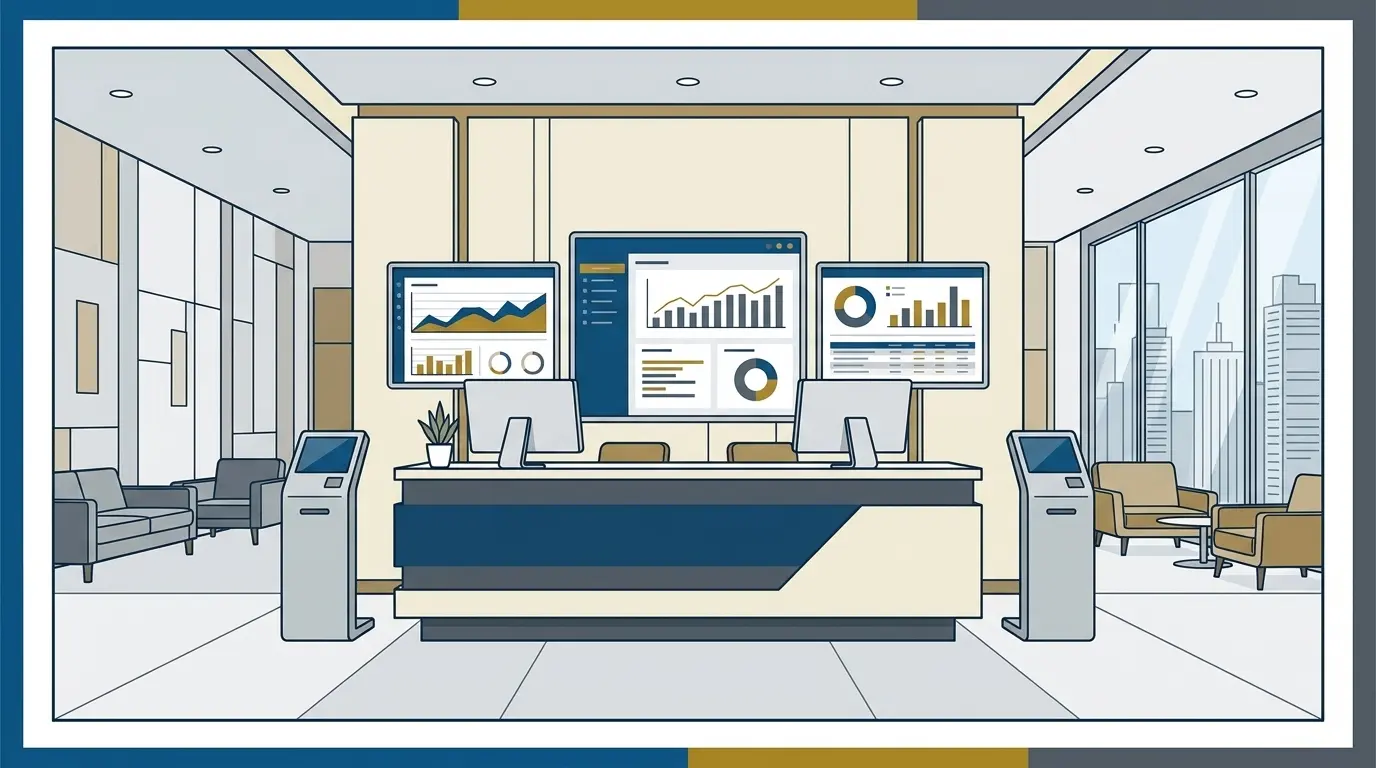

Hospitality management software development is the engineering of bespoke digital platforms that centralise property management systems (PMS), central reservation systems (CRS), channel distribution, billing, and front-desk workflows into a single enterprise architecture. Unlike rigid commercial SaaS bundles, custom hospitality management software development provides hoteliers with dedicated database ownership, flexible API integration, and automated task dispatch across diverse property networks.
As hospitality operations scale across multi-property portfolios, relying on fragmented third-party subscriptions introduces systemic friction. Modern operators face significant operational bottlenecks when disconnected tools fail to synchronise in real time, degrading operating margins and guest satisfaction.
The Operational Bottlenecks of Fragmented Hospitality Infrastructure
Multi-property resort networks and independent hotel operators frequently experience severe friction due to disparate digital platforms. Disconnected off-the-shelf software tools create operational data silos between front-desk reception, housekeeping schedules, and online travel agency (OTA) channels. When reservation data lags across these endpoints, overbooking incidents escalate, forcing hotels into costly guest relocations and manual reconciliations.
Legacy infrastructure also imposes punishing financial constraints. Third-party SaaS vendors levy compounding subscription fees that charge operators per room and per user, directly penalising business growth. Rigid commission arrangements on proprietary booking engines siphon critical margin away from hotel balance sheets. Furthermore, off-the-shelf platforms restrict integrations with modern hardware assets, such as in-room interactive flat panel (IFP) displays or digital smart boards. Choosing custom hotel management software for hotels allows hospitality brands to break free from these operational bottlenecks, establishing direct control over guest booking lifecycles and operational workflows.
Custom Engineering as an Operational Driver for Hospitality Growth
Bespoke engineering represents a strategic shift from passive software consumption to sovereign infrastructure ownership. Purpose-built platforms eliminate traditional operational constraints by unifying the core PMS, automated channel distribution, guest CRM workflows, and financial general ledgers into an integrated system. This unified ecosystem grants operators complete data sovereignty and eliminates software licensing inflation as their room count expands.
Through specialized software development services, hotels establish seamless interoperability across touchpoints. A tailor-made enterprise platform coordinates IoT energy management, keyless room access, and interactive guest displays without requiring disjointed third-party plugins. Custom hospitality management software development ensures that every process, from housekeeping dispatch to folio balancing, aligns perfectly with internal operating standards, protecting bottom-line profitability and enabling scalable multi-property expansion.
Core Phases of Enterprise Hospitality Software Implementation
Executing enterprise hospitality management software development demands an outcome-driven engineering roadmap structured around distinct operational milestones:
- Architectural Discovery and Database Schema Design: Problem: Schema bloat and concurrent booking collisions degrade performance during peak check-in windows. Solution: Engineers implement microservices paired with tenant-partitioned relational databases. Outcome: Zero reservation collisions and guaranteed transaction integrity across simultaneous booking requests.
- Multi-Channel Synchronization and Real-Time API Engine: Problem: Latency between external booking engines and local property systems causes rate parity violations. Solution: The engineering team deploys bi-directional webhook pipelines via low-latency cloud infrastructure. Outcome: Instant two-way inventory and rate updates across all distribution channels.
- Operations and Housekeeping Workflow Automation: Problem: Manual room turnarounds stall front-desk check-in times and strain staff coordination. Solution: Deploy automated, role-based mobile task allocation engines linked to room status sensors. Outcome: Accelerated room turnover cycles and improved labour efficiency across shift schedules.
- Enterprise ERP and In-Room Hardware Integration: Problem: Disconnected room amenities and fragmented vendor ledgers create billing discrepancies. Solution: Build native hardware-software bridges connecting in-room IFP displays with core accounting. Outcome: Streamlined folio management and unified control over room touchpoints.
Architectural Foundations of Bespoke Hospitality Platforms
High-volume hotel chains require software foundations capable of handling extreme transactional bursts without system degradation.
Microservices vs. Modular Monolith Architecture
Enterprise platforms often utilise modular monoliths or isolated microservices to achieve high availability. Isolating the core booking engine from auxiliary services like reporting prevents system-wide outages during flash sales, ensuring uninterrupted front-desk operations.
Centralized Multi-Property Database Isolation
Multi-unit operators require multi-tenant database partitioning. Utilizing PostgreSQL or distributed SQL models with strict row-level security and role-based access control (RBAC) isolates property data while enabling centralised corporate performance auditing.
Low-Latency Channel Manager Integration
Custom channel manager connections rely on bi-directional webhooks communicating with major global distribution systems (GDS). Real-time event streams guarantee that pricing adjustments reflect immediately across all external portals, eliminating parity discrepancies.
Essential Functional Modules for Modern Hospitality Operations
A comprehensive hospitality platform unites guest-facing engagement with back-office automation to streamline total asset performance.
Next-Generation Hotel PMS Development
The front-desk engine serves as operational command, automating room assignments, night audits, and billing folios. Investing in dedicated hotel front desk software development accelerates guest intake and eliminates manual data entry errors.
Enterprise Financial ERP and Accounting
Native accounting modules centralise procurement, vendor invoicing, and multi-currency revenue recognition. Hoteliers gain unified visibility over asset profitability by exploring ERP software development services that synchronise transactions directly to the general ledger.
Automated Guest CRM and Experience Engines
Integrated CRM capabilities facilitate contextual room upgrades, personalized guest messaging, and loyalty redemption points. Operators evaluating their stack must assess the technical boundaries between guest engagement and operational control; our comparative guide clarifies the functional trade-offs between hotel management software vs hotel CRM architectures.
Emerging Technologies and Edge Hardware Integration
Modern hotels increasingly leverage edge computing and connected smart hardware to deliver distinctive, touch-free experiences.
Smart Display and IFP Hardware-Software Integration
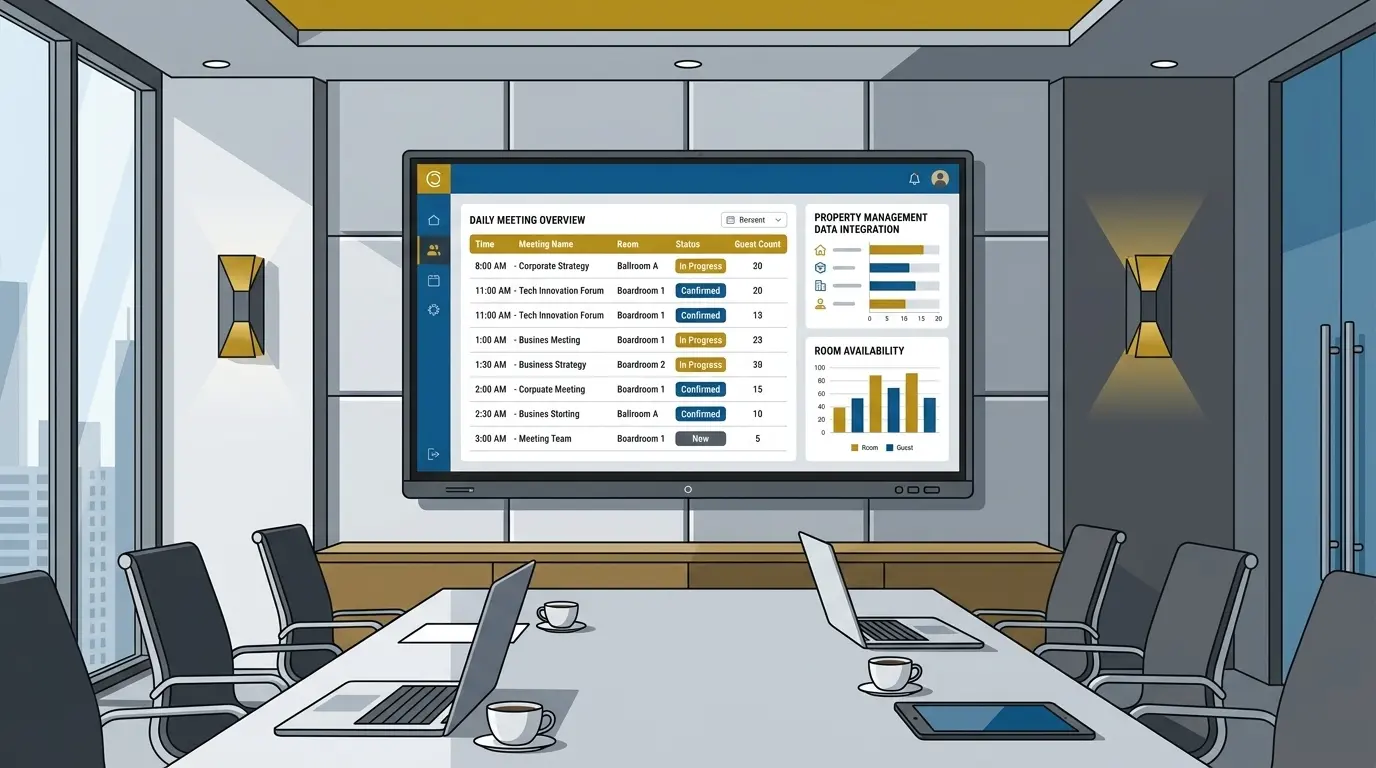
Enterprise conference properties require direct software links to Interactive Flat Panels (IFP) and digital smart boards. Native device drivers allow meeting spaces to display tailored scheduling data and concierge options managed directly from the primary PMS.
Predictive Demand and Dynamic Pricing Automation
Algorithmic pricing engines evaluate local demand signals, historical occupancy rates, and flight arrival data to recalibrate RevPAR (Revenue Per Available Room). By executing business process automation with AI, hoteliers dynamically optimize room pricing around the clock.
Staff Task Scheduling and Housekeeping Automation
Sensor-driven room status updates trigger automated task dispatches to mobile staff terminals upon guest checkout. According to hospitality benchmark metrics from the American Hotel and Lodging Association, streamlining staff allocation and task dispatch remains vital for maintaining operating profitability across modern hotels.
Comparing Off-The-Shelf SaaS Platforms with Custom Hospitality Management Software
The choice between recurring SaaS subscriptions and bespoke development dictates your long-term operating costs, system flexibility, and brand equity:
| Evaluation Criteria | Off-the-Shelf SaaS Solutions | Custom Bespoke Architecture (Colladome Approach) | Strategic Impact |
|---|---|---|---|
| Integration Flexibility | Closed, proprietary APIs with restricted third-party hardware access. | Open microservices architecture engineered for native IFP, IoT, and custom POS compatibility. | Seamless data interoperability across all properties without integration roadblocks. |
| Scalability & Licensing | Per-room, per-user compounding subscription tiers that increase operating costs. | Fully owned intellectual property with zero recurring operational licensing penalties. | Drastic reduction in marginal expansion expenses as new properties join the network. |
| Data Sovereignty & Security | Multi-tenant shared cloud environments with standard, rigid access roles. | Dedicated enterprise database architecture featuring strict role-based access control (RBAC). | Total compliance control, complete guest privacy, and zero data lock-in risks. |
| Custom Operational Workflows | Generic operational templates forcing businesses to alter established internal SOPs. | Tailored workflow engines configured precisely around existing hotel brand operating standards. | Increased staff onboarding velocity and preserved operational identity across locations. |
| Booking Engine Margin Control | External booking redirects often subject to platform surcharges and OTA leakage. | Integrated native direct-booking engines engineered to maximize direct Average Daily Rate (ADR). | Maximum guest revenue capture by bypassing recurring transaction intermediary fees. |
| Custom ERP & Financial Sync | Manual journal reconciliation requiring periodic batch uploads and exports. | Real-time general ledger synchronisation with automated audit trails across multi-currency accounts. | Instant financial visibility with zero accounting backlog at closing cycles. |
While off-the-shelf platforms offer faster initial setup, custom hospitality management software development delivers a lower total cost of ownership over a multi-year horizon, transforming core technology from a recurring operating expense into an enterprise asset.
Enterprise Application: Operational Transformation in Practice
Applying custom architecture resolves longstanding systemic friction across diverse hospitality business models:
A multi-property boutique hotel chain struggling with channel synchronisation lag experienced frequent room discrepancies and brand dilution across online travel agencies. By implementing custom hospitality management software development, the chain centralised multi-property inventory across one cloud native database. Bi-directional API connectors updated inventory in under two seconds, completely eliminating double bookings while native direct-booking modules boosted direct reservations by 28% in the first fiscal year.
Similarly, a luxury conference resort required seamless hardware integration across its meeting spaces and guest suites. Off-the-shelf software could not coordinate room bookings with in-room Interactive Flat Panel displays. Bespoke engineering unified resort ERP software with local IFP touchscreens, displaying daily conference agendas and automated catering ordering for corporate guests. Check-in processing durations dropped by 45%, while on-property amenity spend increased significantly.
Evaluating the Build vs. Buy Equation for Your Portfolio
Business leaders exploring hospitality management software development must evaluate total cost of ownership against long-term operational velocity. Commercial SaaS products appear cost-effective initially, yet recurring license creep, rigid integrations, and transaction fees rapidly compound across multi-property networks. A strategic technical audit reveals whether customized architecture can unlock hidden asset efficiency across your property network, transitioning your digital tools into a lasting competitive moat.
Building Resilient Infrastructure for Modern Hospitality Enterprises
Modern hospitality demands technical independence. Relying on generic, closed software platforms caps operational agility and erodes profit margins through inflexible subscription models. Custom hospitality management software development provides enterprise hoteliers with complete ownership over their reservation engines, financial workflows, and guest touchpoints. Decoupling operations from restrictive SaaS frameworks transforms software into an appreciating business asset that expands capacity, accelerates workflow automation, and safeguards data privacy.
Let's make the next big thing together! Connect with our engineering specialists at Colladome to map your architectural requirements and initiate your custom platform consultation.