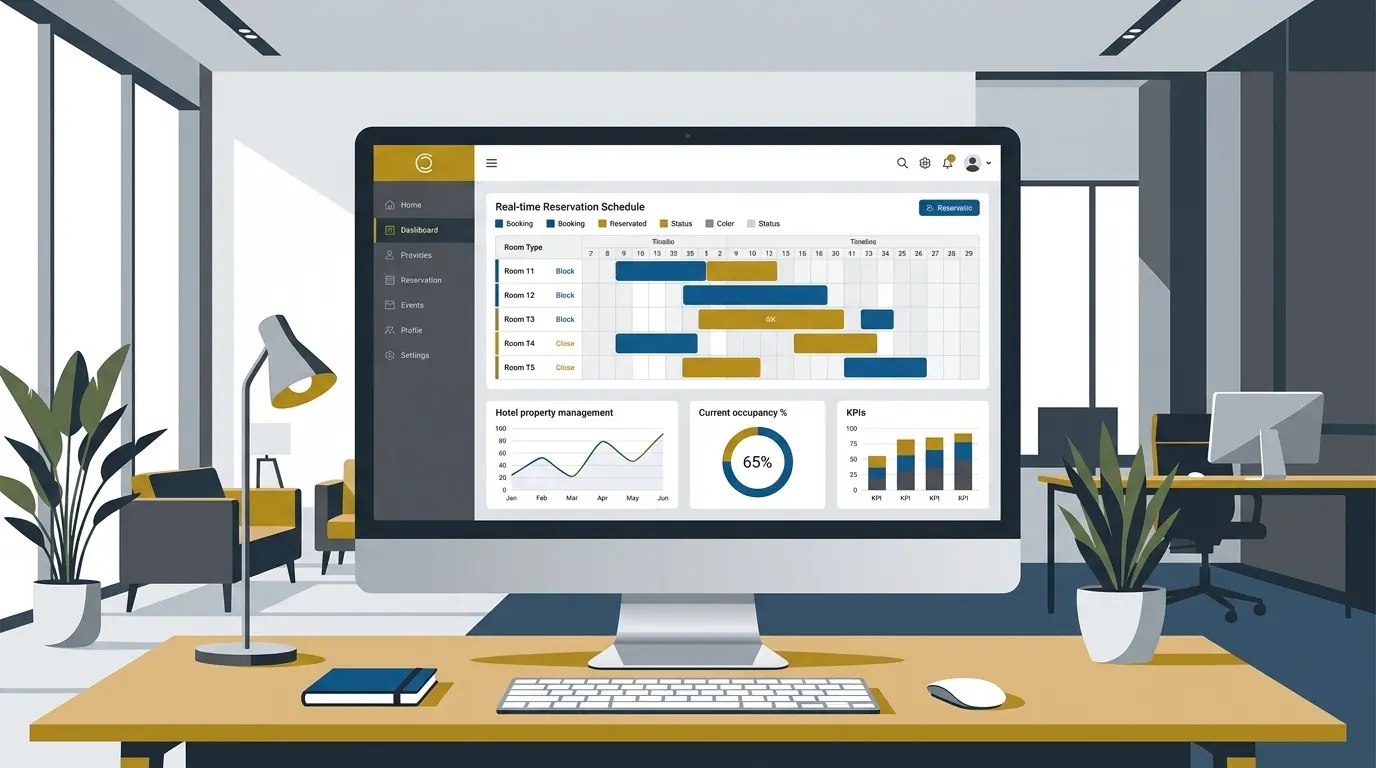

As hospitality operations grow across multiple properties, off-the-shelf software vendors enforce restrictive pricing tiers and fragmented add-ons. Engineering custom architecture enables hoteliers to bypass recurring seat licenses, safeguard profitability, and configure tailored workflows that streamline guest experiences from check-in to post-stay billing.
The Breaking Point of Legacy Hospitality Software
Modern hospitality enterprises operate in an environment demanding real-time synchronization across channels and on-premise touchpoints. Yet, hundreds of hotel founders and operations heads find their growth throttled by outdated desktop platforms and disconnected software suites. These technical bottlenecks trigger immediate margin compression, staff burnout, and customer churn across three specific failure points:
- Siloed Channel Distribution: Legacy systems rely on slow data handoffs, resulting in delayed inventory synchronisation between online travel agencies (OTAs) and internal front desk ledgers. This sync lag produces routine overbooking, costly cancellation payouts, and degraded guest trust.
- Escalating Subscription Penalties: Commercial SaaS vendors enforce restrictive pricing models based on total room counts or staff seats. Adding keys or expanding portfolios directly penalises operators through compounding monthly overheads.
- Closed Hardware and Ecosystems: Dated platforms prevent bi-directional integration with contemporary infrastructure such as Interactive Flat Panels (IFP) in executive war rooms, automated keycard encoders, and smart building energy grids.
For mid-market hotel operators and growing hospitality chains, working through these issues requires partnering with an experienced hospitality software development company to design bespoke solutions that restore complete operational control.
Engineering Operational Sovereignty Through Bespoke PMS Architecture
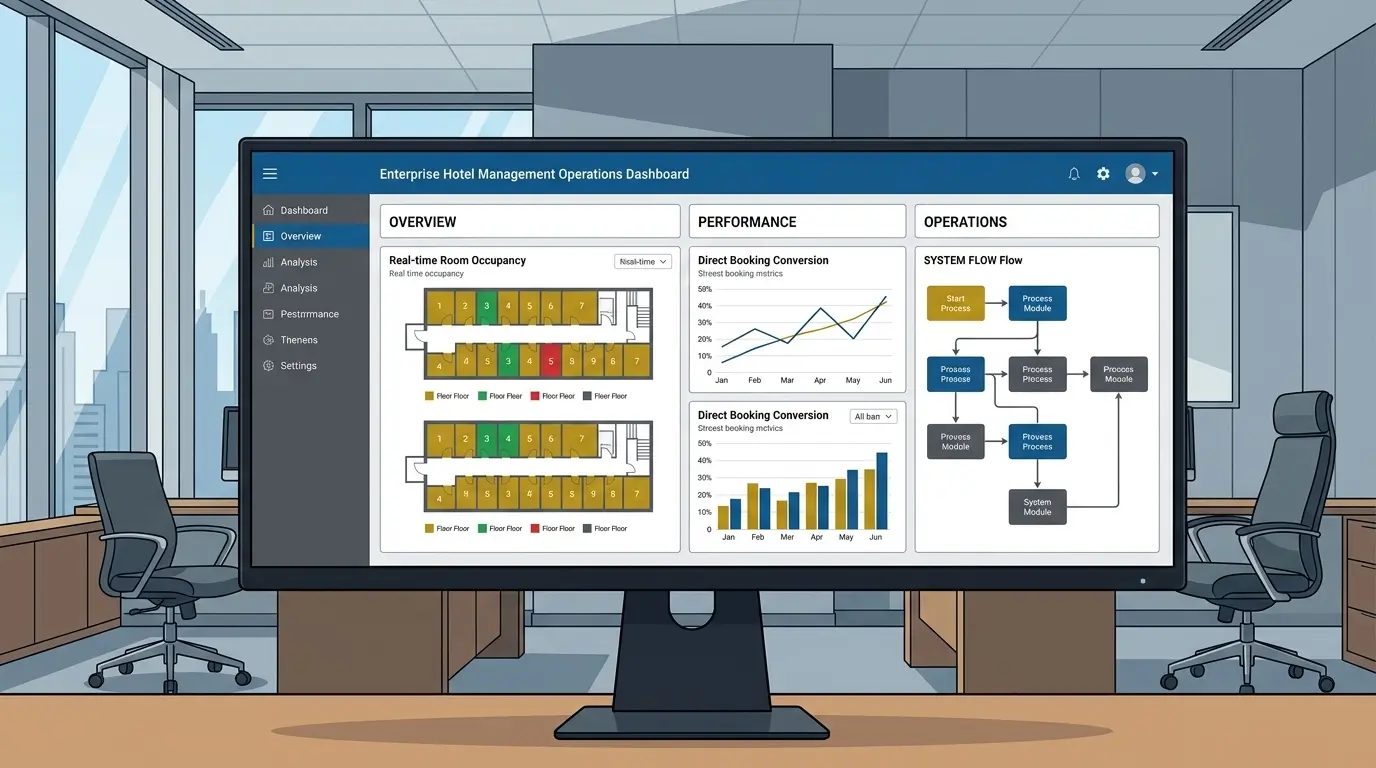
Custom hotel PMS software development eliminates legacy operational drag by consolidating disjointed processes into a high-performance central reservation system (CRS). Transitioning to custom enterprise software development transforms technology from a recurring operational cost into an owned business asset. Engineering a custom enterprise web application provides hotel leadership with full database governance, modular upgrade cycles, and clean integrations across all front-office and back-office operations.
According to research published by Hospitality Net, independent hoteliers and regional groups increasingly rely on direct digital connections to counteract rising commission rates. Building custom software removes third-party dependencies, allowing operators to launch distinct loyalty initiatives, handle complex group folios, and deploy automated business logic designed for their specific guest service model.
Core Pillars of Modern Hotel PMS Architecture: Problem, Solution, Outcome
Engineering a modern hospitality management engine requires clean separation of concerns across four technical and operational workflows:
- Inventory and Channel Management: Problem: Inventory update delays across booking portals cause double bookings and pricing mismatches. Solution: Direct two-way API channel engines built on high-throughput microservices. Outcome: Real-time distribution across all global booking platforms with zero room discrepancies.
- Front Desk and Room Lifecycle Operations: Problem: Lengthy paper check-in queues inflate front desk operational overhead. Solution: Contactless check-in flows, unified reservation folios, and automated keycard provisioning. Outcome: A 40% reduction in check-in transaction time alongside enhanced guest satisfaction.
- Financial Reporting and Dynamic Yield Management: Problem: Static rate tiers miss lucrative revenue spikes during local market surges. Solution: Algorithmic pricing engines that adjust room rates based on current occupancy thresholds and historical trends. Outcome: Measurable revenue per available room (RevPAR) growth without manual intervention.
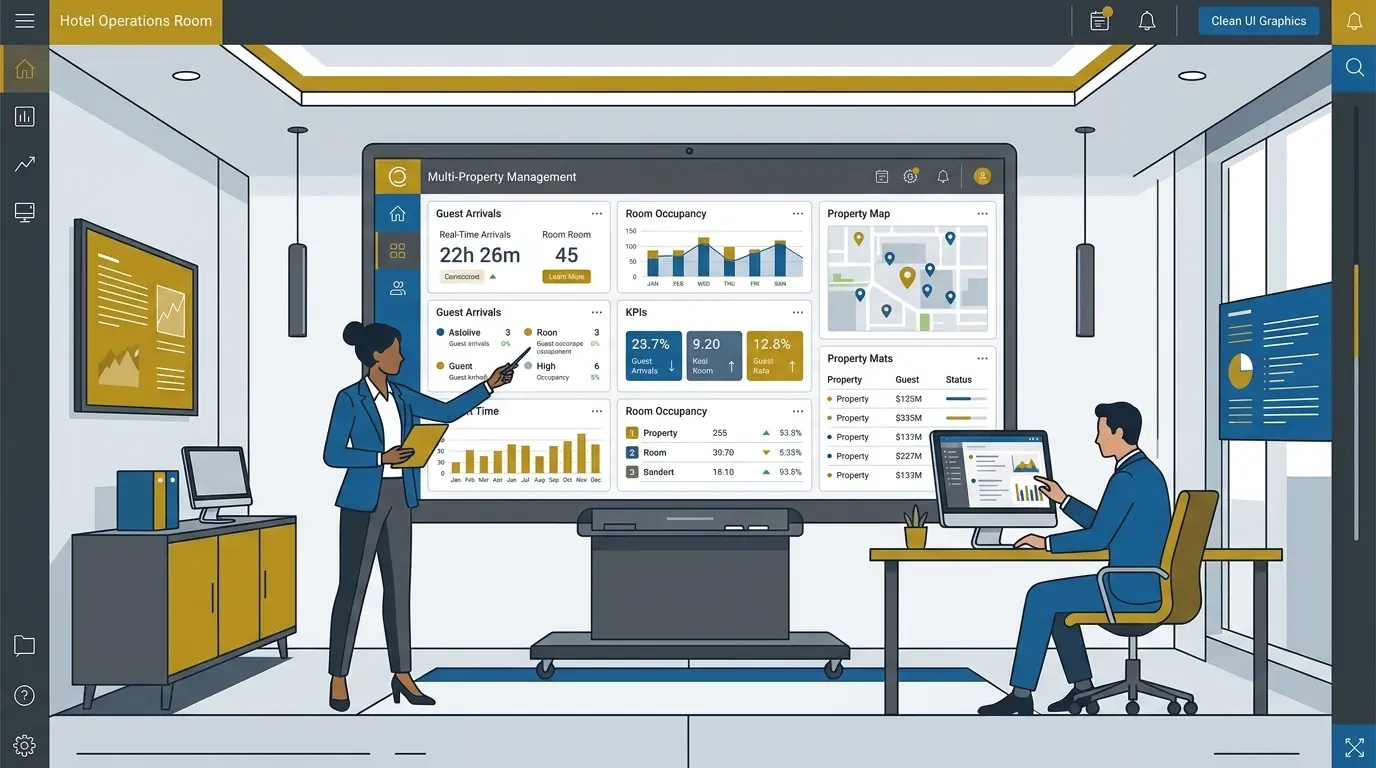
- Multi-Property Centralisation: Problem: Segmented databases prevent CXOs from viewing portfolio performance across multiple properties. Solution: Centralised cloud databases offering role-based aggregation and automated financial auditing. Outcome: Complete portfolio-wide visibility for executive decision-makers through a unified dashboard.
Essential Functional Modules in Custom Hotel PMS Development
A scalable property management platform depends on purpose-built modules designed to automate daily tasks and eliminate administrative drag across hotel operations.
Automated Room Inventory Allocation
The inventory allocation module monitors real-time room availability, instantly updating room readiness status between housekeeping staff and front desk teams. Automatic room assignments prevent idle capacity, manage deep-cleaning schedules, and maintain immediate room assignment readiness during peak intake hours without staff phone coordination.
Direct Booking Engine Integration
Integrating a native booking engine connects directly into the central reservation system, processing direct transactions with zero commission fees. This module captures payment details securely, personalises add-on amenities, and routes guest reservation folios directly into PMS billing ledgers without third-party aggregator commissions.
Staff and Housekeeping Task Orchestration
Mobile-first task dispatch tools route cleaning and maintenance priority queues directly to floor staff mobile devices. Cleaners update turnover status instantly upon inspection completion. The automated dispatch engine cuts inspection turnaround times and holds on-site service workers fully accountable during operations.
Technical Architecture and Security Frameworks
Enterprise PMS solutions must adhere to stringent security protocols and scalable engineering practices to safeguard sensitive guest data and manage complex operations.
Role-Based Access Control (RBAC)
Granular role-based permissions restrict database visibility between front desk clerks, accounting teams, night auditors, and executive managers. Strict operational logging captures each folio modification, voided line item, and room discount, effectively safeguarding against internal fraud while enforcing operational governance across multiple properties.
PCI-DSS Compliant Payment Pipelines
Cardholder transactions, automated deposits, and incidental authorisations route through encrypted tokenisation pipelines. The software handles payment verification without storing raw cardholder details within internal databases, ensuring strict compliance with global PCI-DSS standards while maintaining streamlined POS checkouts.
API-First Hardware and IoT Connectivity
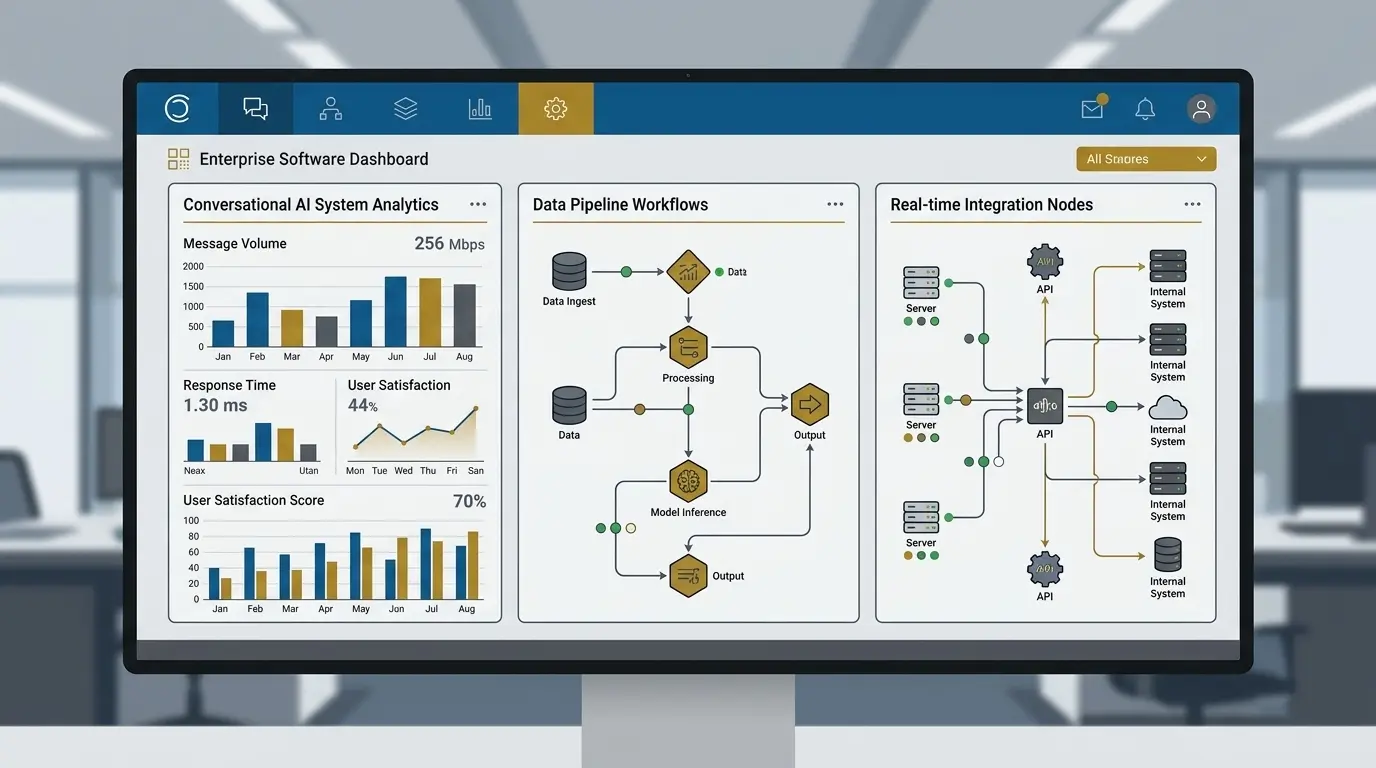
Modern hospitality demands real-time hardware compatibility. Open API connectors link the PMS directly to Interactive Flat Panels (IFP) and smart boards in operations suites, RFID door lock systems, POS barcode systems, and smart thermostat relays to automate energy conservation in vacant rooms.
Total Cost of Ownership: Build vs. Off-The-Shelf SaaS
Choosing between commercial hospitality subscriptions and custom software development requires evaluating long-term operational expenditures against owned digital assets.
Initial Engineering Capital vs. Recurring Seat Licensing
Commercial SaaS solutions appear cost-effective initially but extract compounding per-room and per-user monthly subscription fees. Custom hotel PMS software development represents a targeted capital expenditure that eliminates software licensing overheads, amortising initial development costs quickly across growing room inventories.
Technical Debt and Custom Feature Lock-in
Off-the-shelf software forces businesses to adapt their internal hospitality workflows to rigid vendor feature sets. Building a custom system removes feature lock-in, enabling hospitality brands to design exact operational processes and introduce technical capabilities without waiting on third-party development roadmaps.
Scalability Across Multi-Branch Portfolios
Acquiring additional hotel properties or expanding boutique locations creates no extra software licensing costs. A custom multitenant cloud architecture allows hoteliers to add new branches instantly to a unified database without paying punitive vendor license fees.
Comparing Off-The-Shelf SaaS Platforms with Custom Hotel PMS Development
Evaluating enterprise platforms requires matching operational costs against technical flexibility and business autonomy:
| Evaluation Metric | Off-The-Shelf SaaS Platforms | Custom Hotel PMS Development | Strategic Business Impact |
|---|---|---|---|
| Cost Model | Recurring monthly fees per room and per user seat | One-time capital engineering asset ownership | Preserves gross EBITDA margins as hotel portfolio key counts expand |
| Feature Customisation | Rigid vendor roadmaps with generic shared tools | Tailored operational modules and custom workflows | Eliminates property-specific administrative delays and system constraints |
| Hardware & Smart Integration | Limited compatibility with external third-party hardware | Direct API integrations for IFP smart boards, IoT, and locks | Consolidates hotel facilities into a single operational command hub |
| Data Sovereignty & Security | Multi-tenant architecture shared with third-party brands | Dedicated single-tenant infrastructure with robust RBAC | Maintains guest transaction privacy and prevents shared infrastructure leaks |
| OTA & Channel Sync | Third-party channel manager plugins with sync latency | Direct, high-speed bi-directional API synchronisation | Eliminates double bookings and minimises channel commission leakage |
Enterprise PMS Deployment Scenarios Across Hospitality Models
Different hospitality business models face unique operational hurdles that custom property management systems directly resolve:
Boutique Multi-Unit Hotel Groups: Boutique properties rely on personalized, intimate guest interactions to maintain their premium standing. Bespoke software tracks granular guest preferences, past itinerary profiles, and custom service requests across distinct boutique properties. This level of personalisation creates memorable stays that drive repeat direct reservations and long-term customer lifetime value.
Business and Conference Hotels: High-volume commercial hotels handle simultaneous enterprise seminars, complex corporate folios, and banqueting operations. Custom PMS platforms integrate directly with event planning systems and Interactive Flat Panels (IFP) across corporate meeting rooms. Operations teams can update presentation schedules, allocate meeting hall resources, and aggregate split billing across multiple corporate credit accounts in real time.
Large Resort Chains: Sprawling resort properties operate varied profit centres, including golf courses, health spas, retail outlets, and multi-cuisine dining options. Bespoke hotel PMS engineering unifies these separate point-of-sale platforms into a central guest ledger. Guests charge all services across the property directly to their room folio, providing management with accurate resort-wide revenue attribution.
Evaluating Your Hospitality Technology Roadmap
Auditing existing hotel architecture is a critical step before choosing to replace legacy tools or commission custom engineering. Decision-makers must evaluate existing API constraints, multi-property expansion goals, and the true annual cost of SaaS subscriptions. A structured technical evaluation helps operators identify whether third-party software constraints are limiting business agility, guest satisfaction, or portfolio profitability.
Reviewing development timelines, database models, and hardware integrations with experienced technical strategists provides clear project scope before committing capital. Hoteliers can evaluate our comprehensive approach to custom architecture by reviewing custom hotel management software for hotels or exploring our specialized multi-property hotel automation solutions.
Building Modern Hospitality Infrastructure with Colladome
Modern hospitality expansion requires agile technology stacks free from restrictive vendor platforms. Off-the-shelf software tools introduce rigid data silos, limit customisation, and penalise portfolio growth through recurring per-key licensing fees. Choosing custom hotel PMS software development establishes long-term digital sovereignty, unifies cross-property workflows, and delivers direct-booking experiences that preserve operational margins.
Colladome engineers enterprise-grade hospitality software, bespoke property management systems, and specialized hardware-integrated tools designed for growing hospitality portfolios. Operators ready to eliminate legacy operational constraints and build powerful software tailored to their portfolio can collaborate directly with our engineering team. Let’s make the next big thing together!